Lochner v. New York
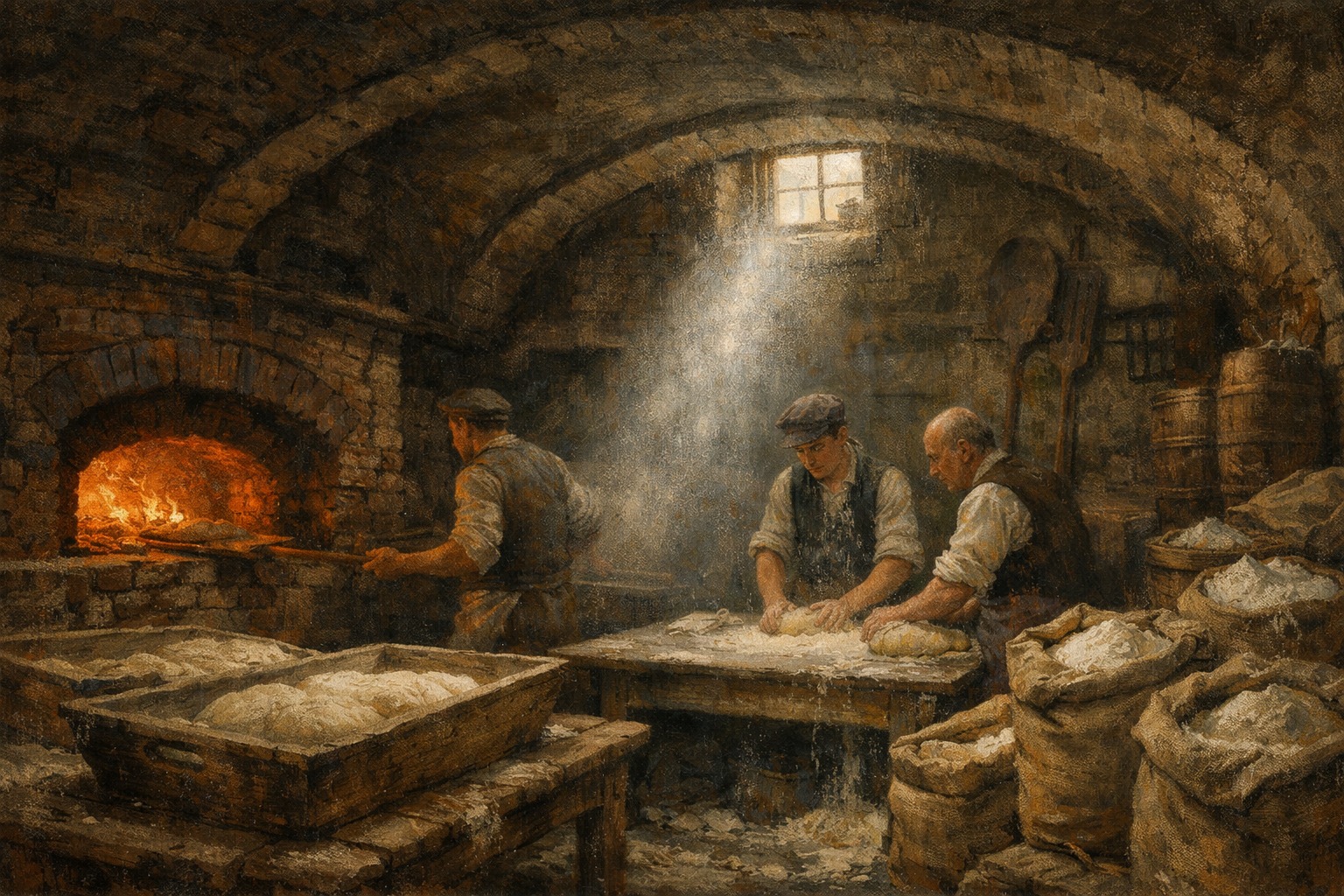
Bakers in late nineteenth-century New York often worked in cellar bakeries for twelve hours or more a day, breathing flour dust in heat and filth. In 1895 the legislature passed the Bakeshop Act, which set sanitary rules and limited bakery employees to ten hours a day and sixty a week. Joseph Lochner, who ran a bakery in Utica, was fined for letting an employee work longer, and he appealed all the way up.
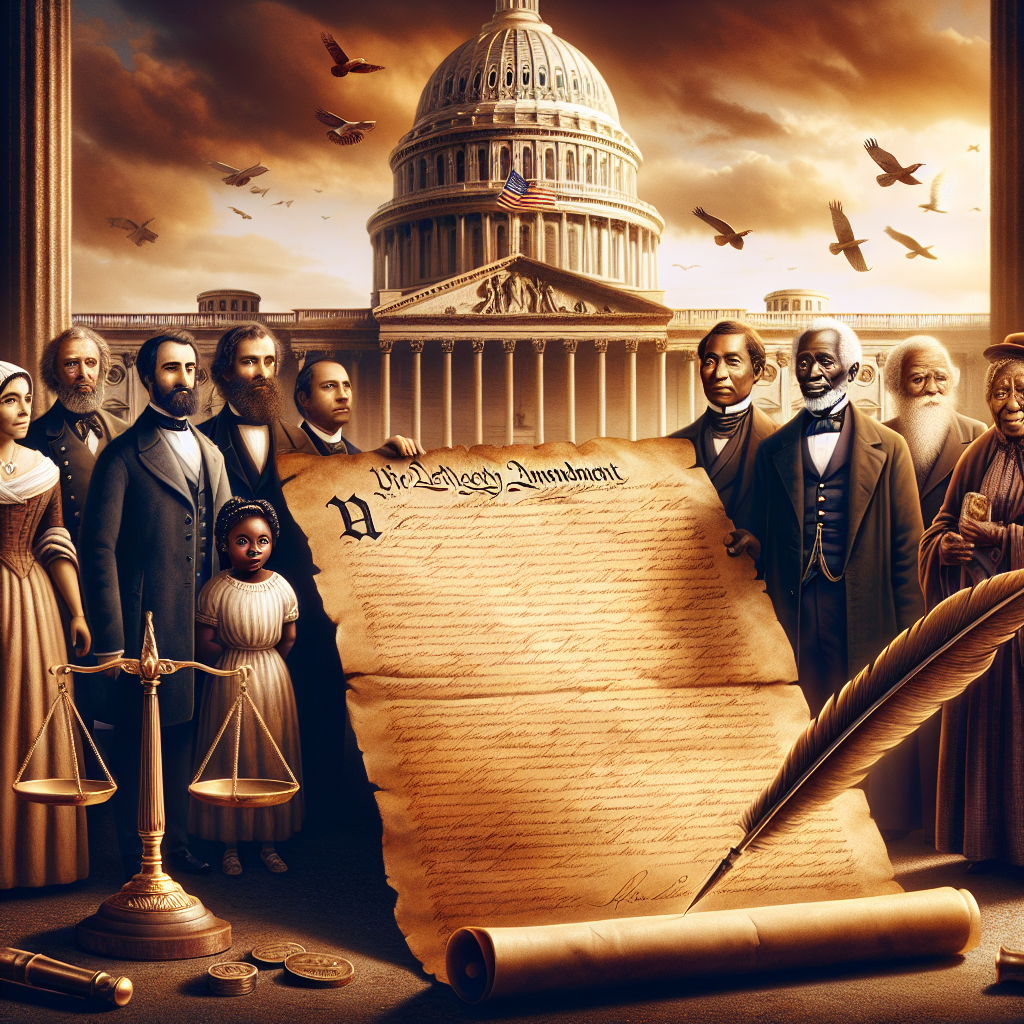
On April 17, 1905, the Supreme Court struck the hours limit down five to four. Justice Rufus Peckham wrote that the Fourteenth Amendment's guarantee of liberty included the freedom of employer and employee to make contracts, and that the state had shown no good health reason to interfere. Baking was not an unhealthy trade, he said, and the law was a meddlesome interference with the rights of the individual.
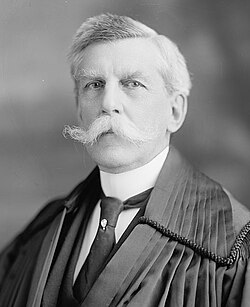
Two dissents became more famous than the majority. Justice John Marshall Harlan marshaled evidence that bakers suffered real harm and argued that the legislature was entitled to act on it. Justice Oliver Wendell Holmes wrote a few short paragraphs. "The Fourteenth Amendment does not enact Mr. Herbert Spencer's Social Statics," he said, and a constitution was not meant to embody a particular economic theory.
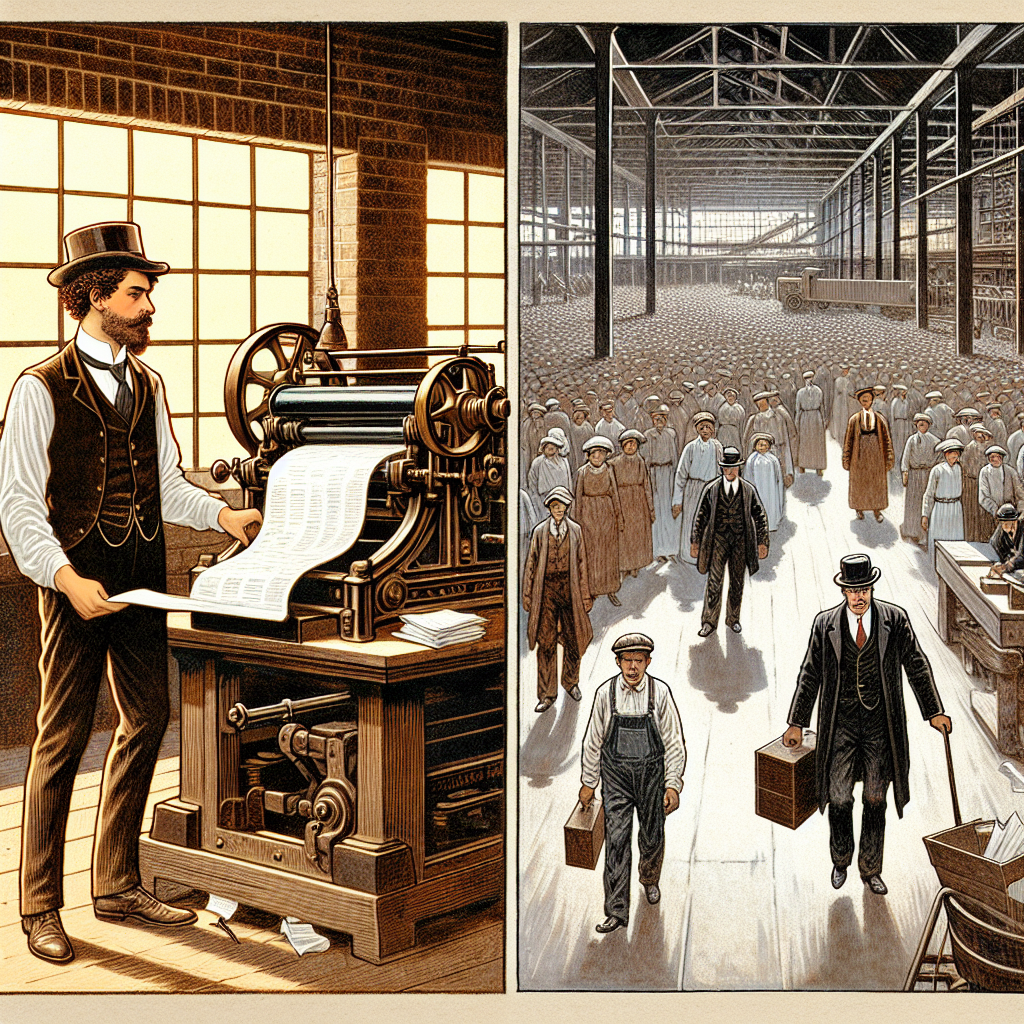
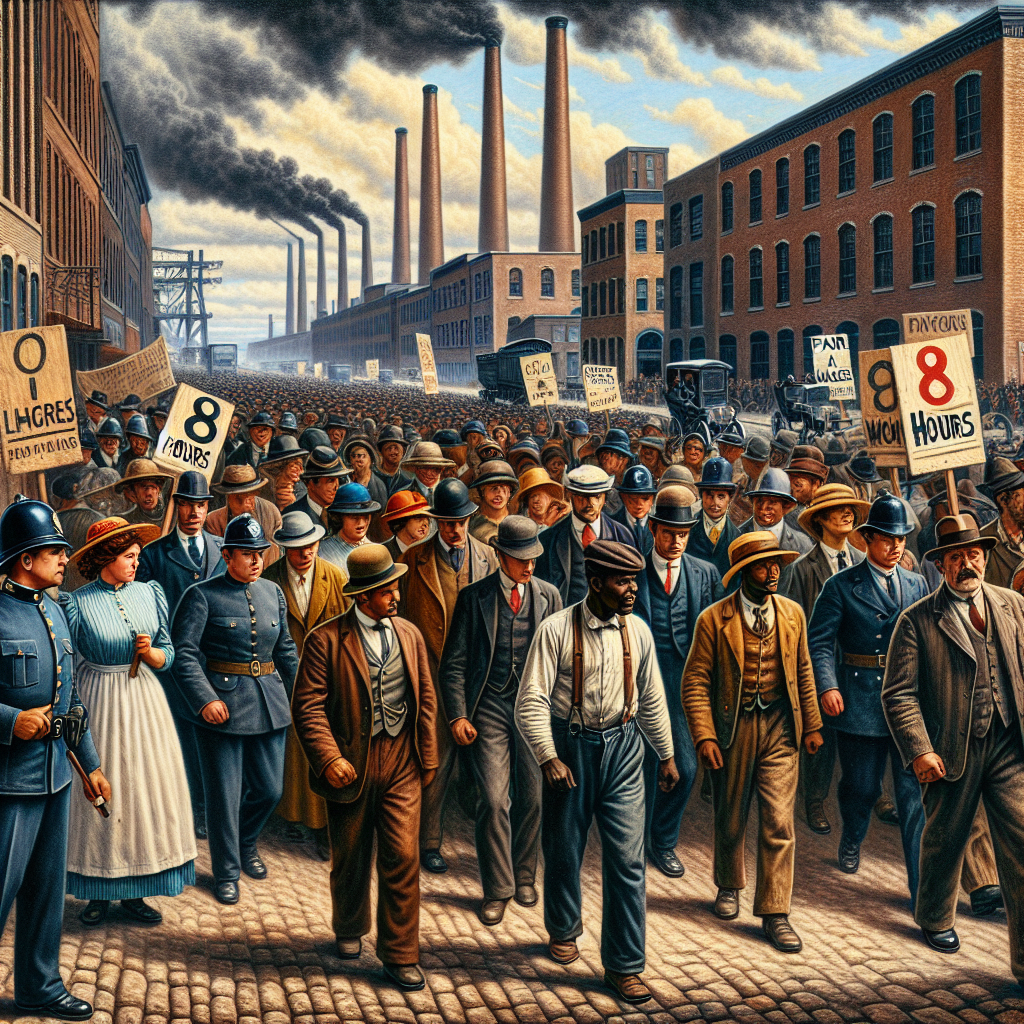
For three decades the Court used the same reasoning to strike down minimum wage laws, child labor rules, and parts of the New Deal, a stretch known as the Lochner era. It ended in 1937, when West Coast Hotel v. Parrish upheld a minimum wage. Lochner became shorthand for judges substituting their own policy views for the legislature's, a charge that lawyers on the left and the right now level at each other's favored decisions, and a few libertarian scholars have argued it was rightly decided.
| Citation | 198 U.S. 45 (1905) |
| Decided | April 17, 1905 |
| Vote | 5 to 4 |
| Opinion | Justice Rufus Peckham |
| Holding | Hours limits for bakers violated liberty of contract |
| Famous dissent | Holmes — the Constitution does not enact Social Statics |
| Date | Decided April 17, 1905 |