National Symbols of the United States
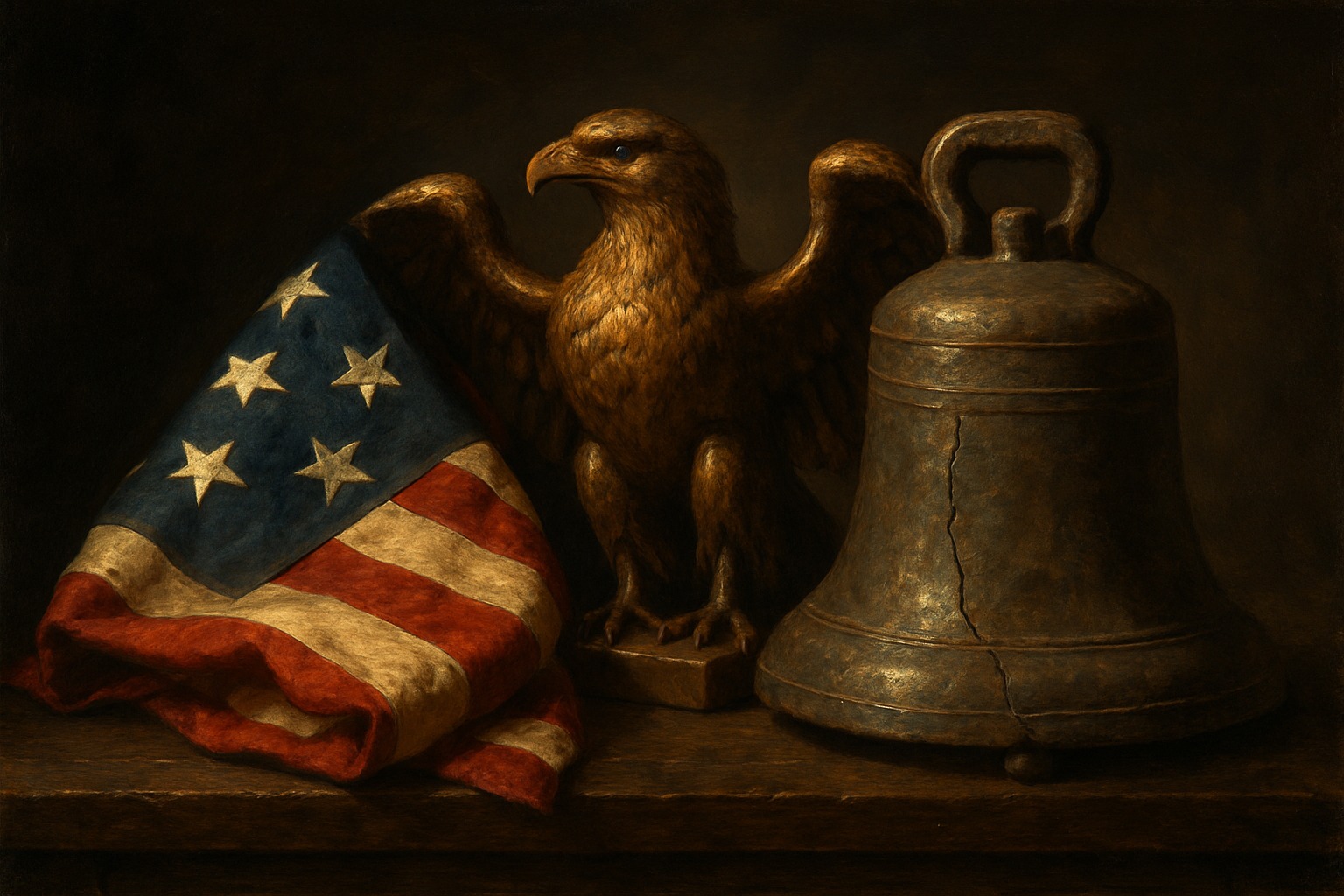
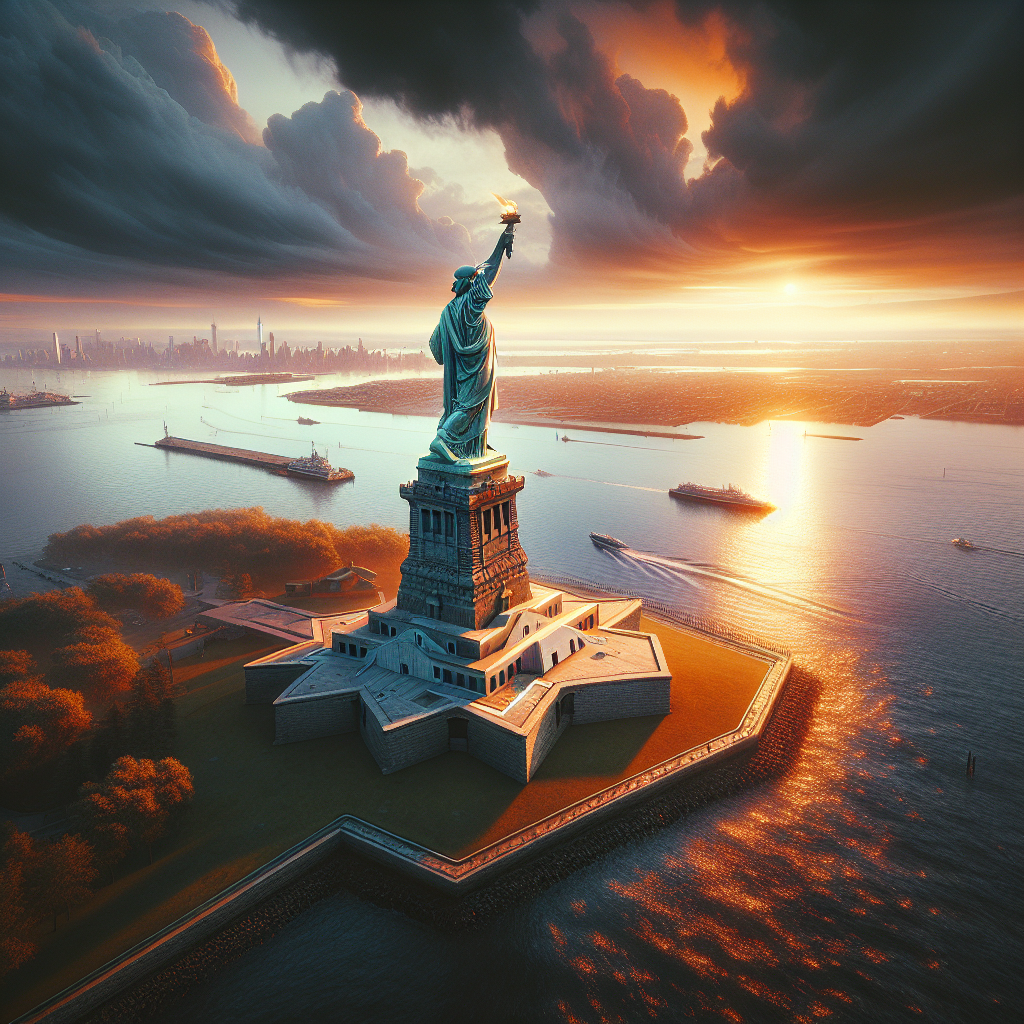
A nation built from many peoples and stitched together across a continent needed symbols to stand for the whole. Lacking a shared bloodline or an ancient throne, the United States invented its emblems deliberately — a flag, a seal, a bird, a song, an anthem-singing fortress, a bell, a statue — and invested them over time with the meaning a king or a crown carries elsewhere. Together they form a vocabulary of nationhood that most Americans learn before they can name a single founder.
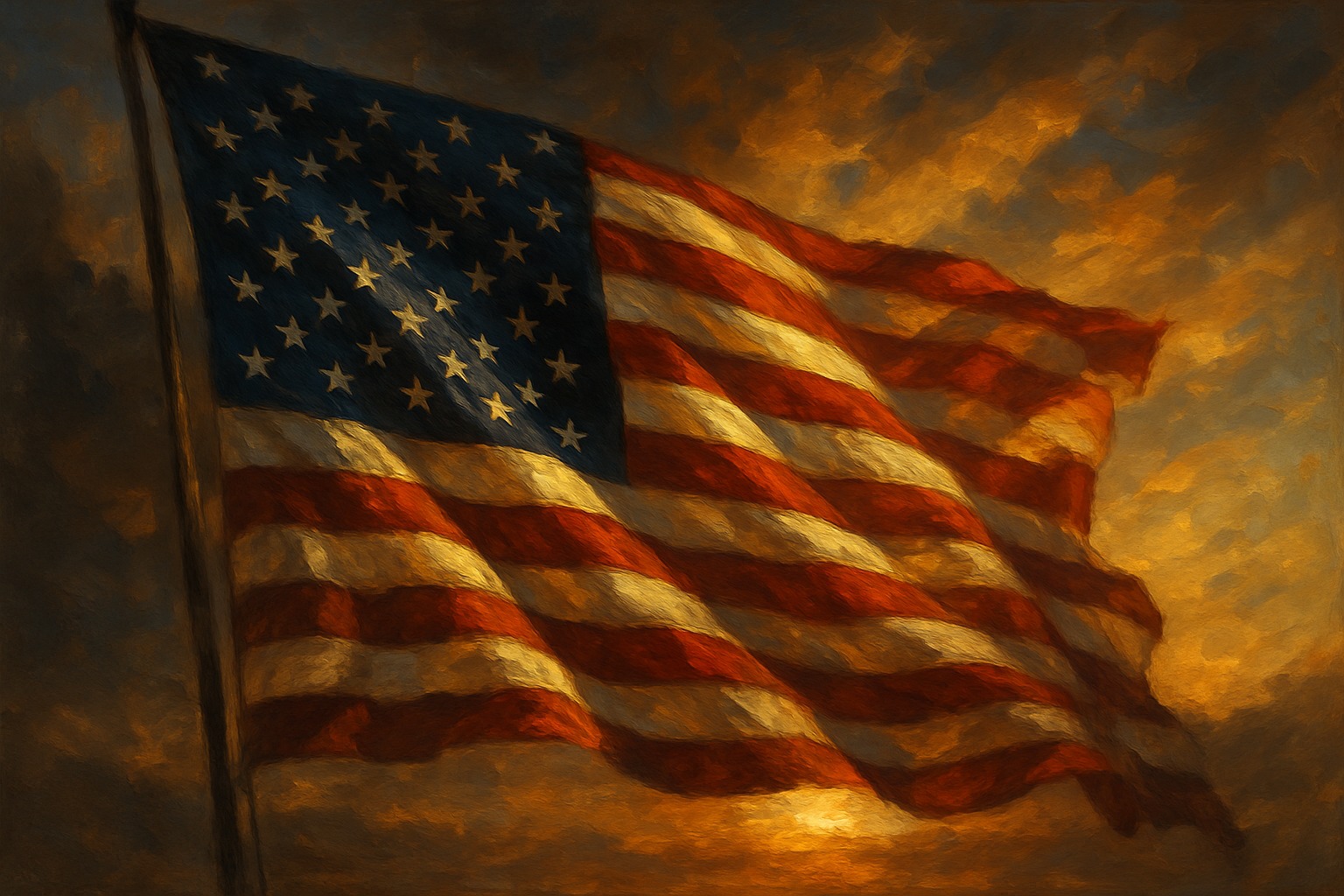
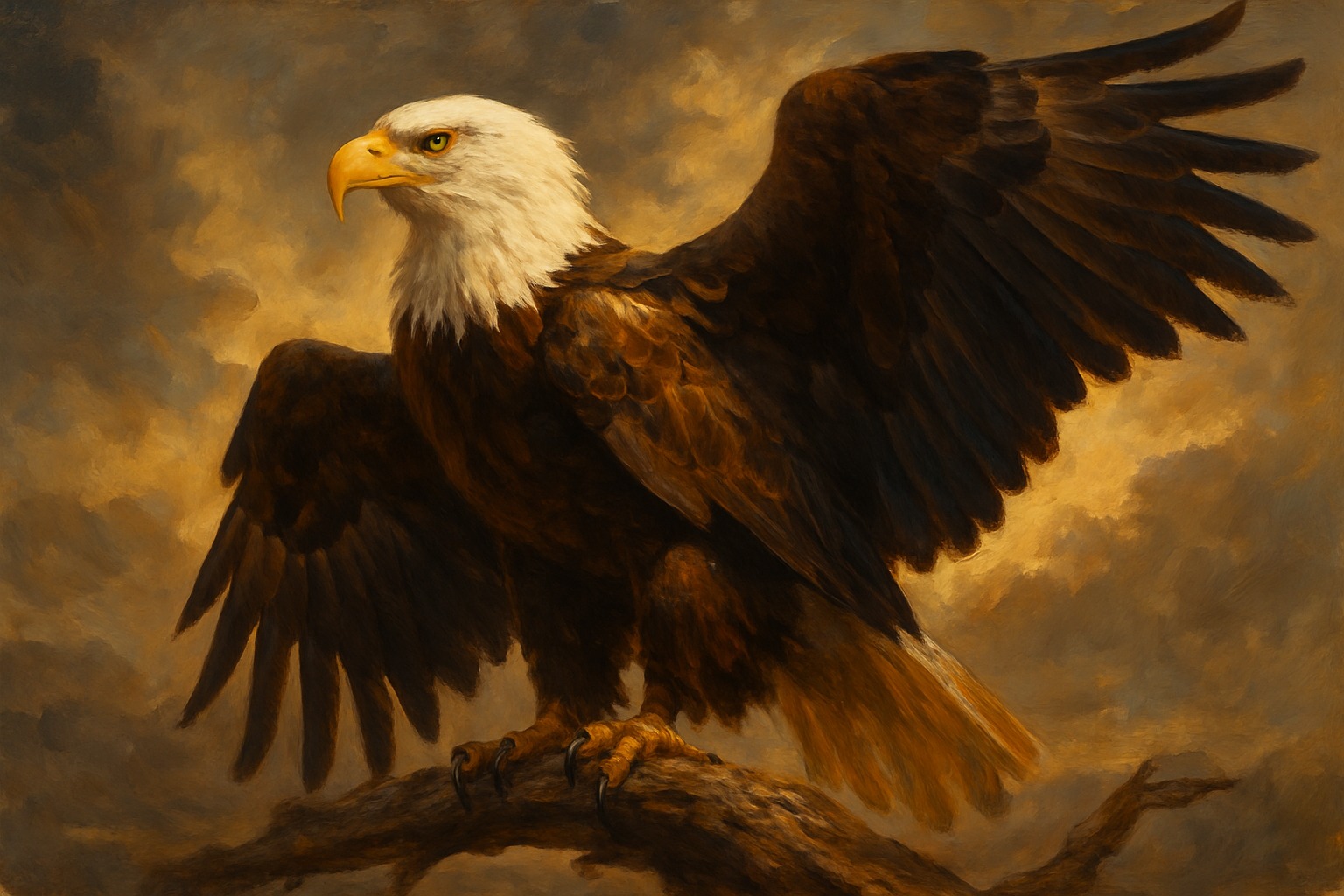
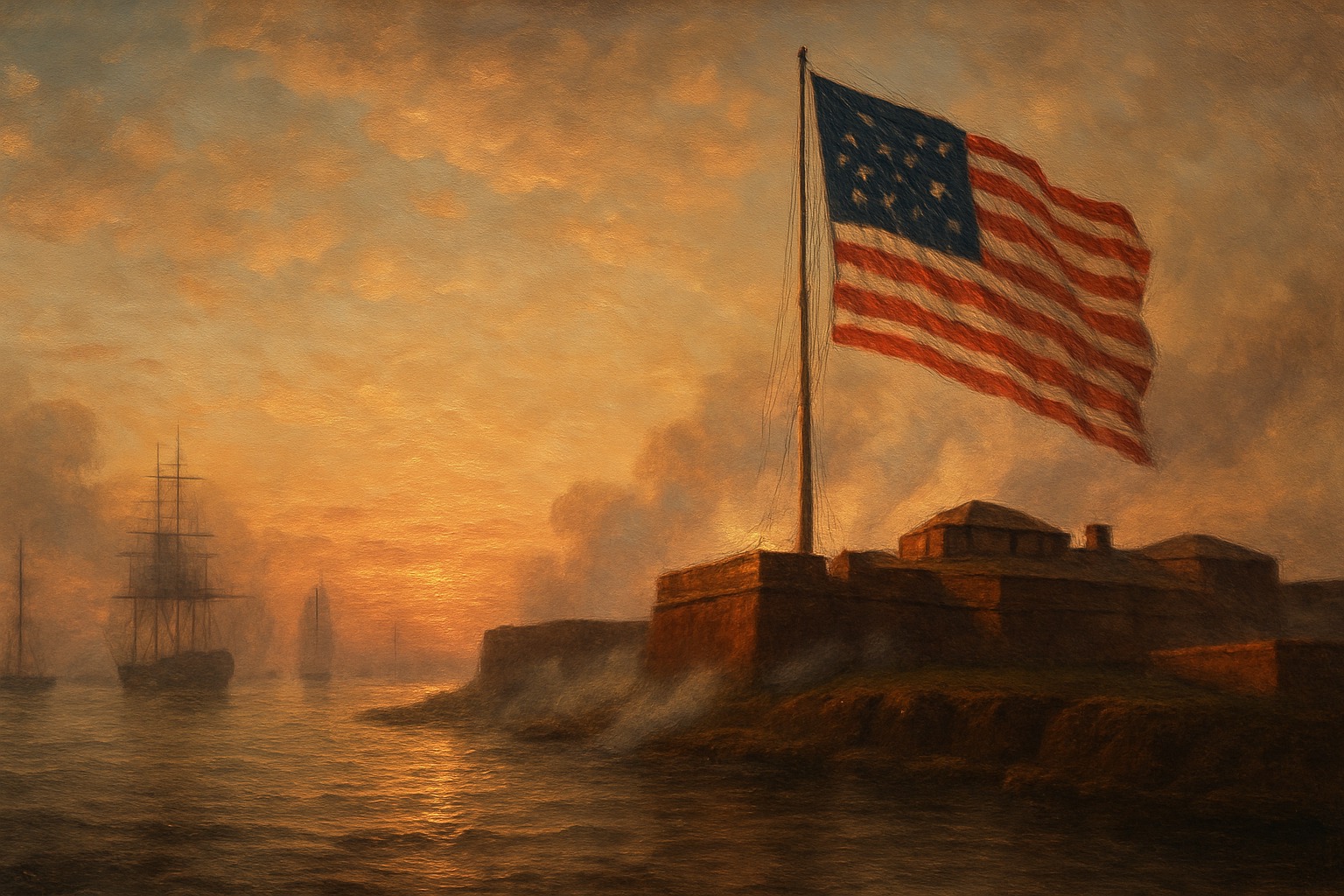
Many of the symbols were chosen at the founding. The Continental Congress fixed the design of the flag in 1777 and adopted the Great Seal, with its bald eagle, in 1782, while the new republic was still fighting to exist. Others arrived later and from below: Uncle Sam grew out of a wartime nickname, the Pledge of Allegiance was written for a school magazine, and "The Star-Spangled Banner" did not become the official anthem until 1931, more than a century after it was written.
The symbols are not static. The flag has gained a star with every new state, growing from thirteen to fifty. The anthem and the Pledge have both been revised, and both have become stages for argument — over loyalty oaths, over the words "under God," over kneeling athletes. What a symbol means has always been contested, because the symbols stand for a country still arguing about what it is.
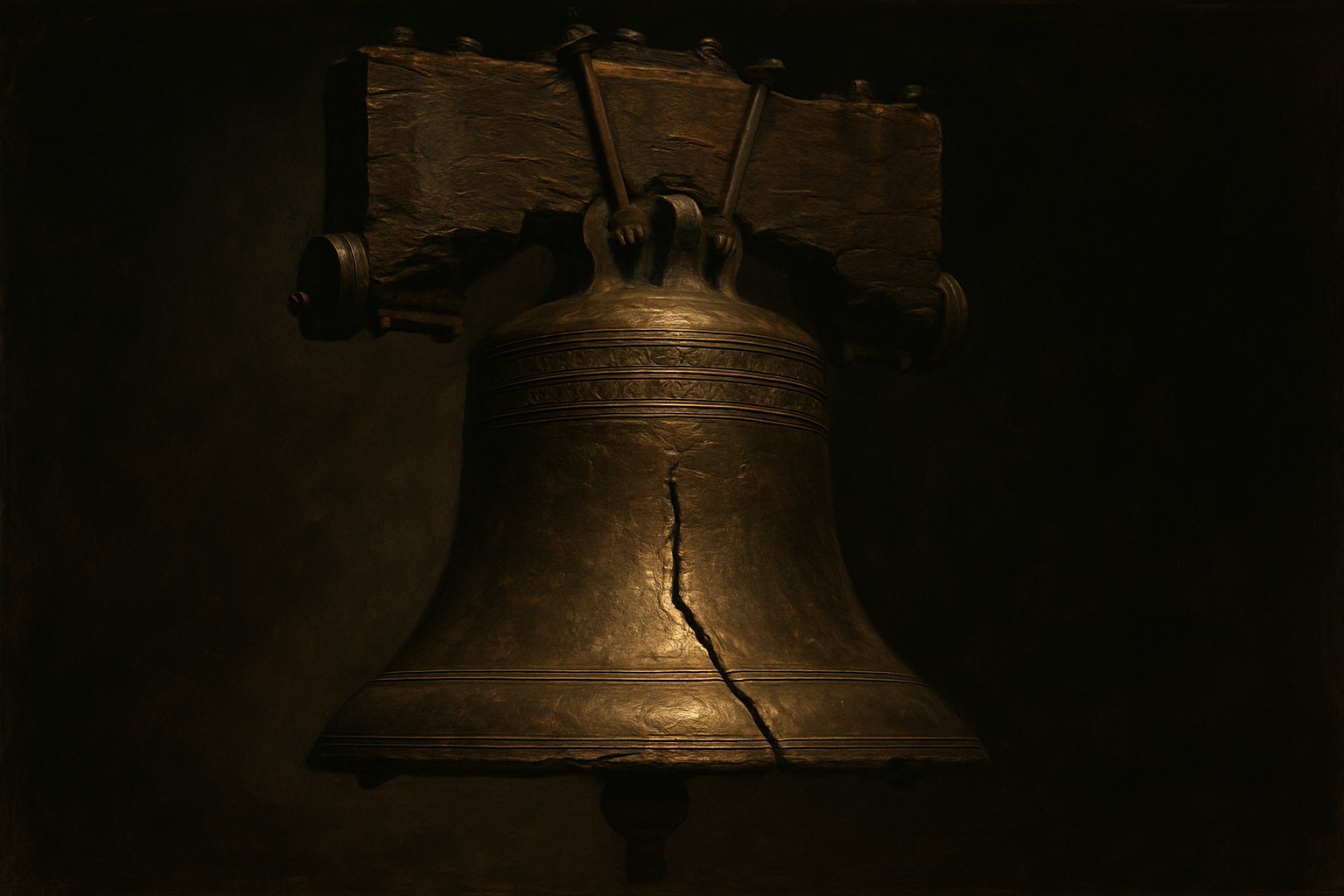
That very flexibility is their strength. A symbol can be saluted by people who disagree about almost everything else, and it can be carried into a protest as easily as a parade. The flag draped over a coffin, the eagle on a passport, the bell behind glass in Philadelphia, the fireworks of the Fourth — these are the shorthand through which a vast and divided nation recognizes itself as one.
| Flag | Adopted 1777; one star per state, now 50 |
| Great Seal | Adopted 1782, featuring the bald eagle |
| Anthem | "The Star-Spangled Banner," official 1931 |
| Personification | Uncle Sam, from a War of 1812 nickname |
| Theme | A deliberately invented vocabulary of nationhood |
| Date | Founding to the present |