The Star-Spangled Banner
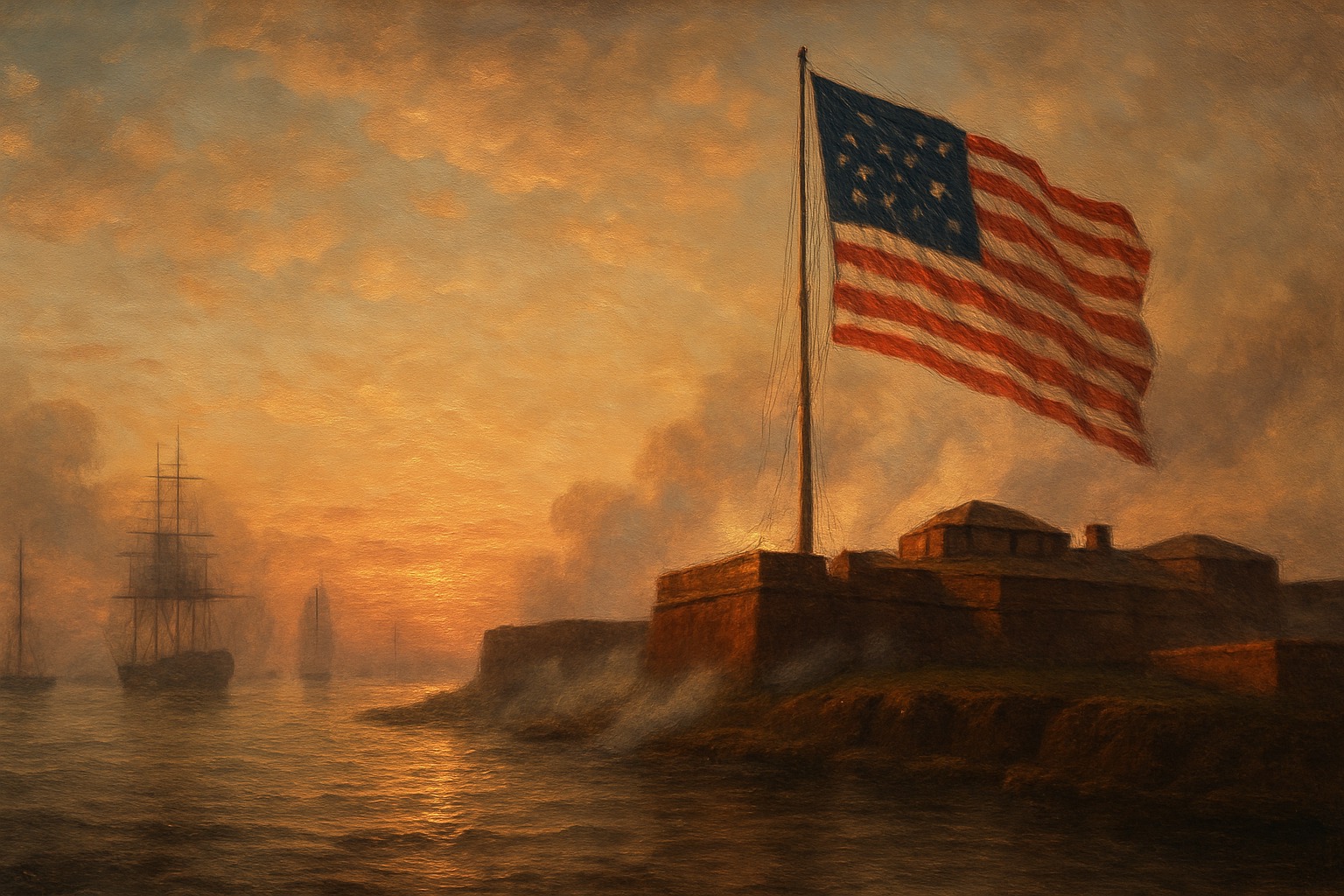
On the night of September 13, 1814, a Washington lawyer named Francis Scott Key watched from a ship in Baltimore harbor as British warships bombarded Fort McHenry through the night. Key was aboard to negotiate a prisoner's release and could only wait, uncertain of the outcome, as shells burst over the fort. At dawn he saw the enormous American flag still flying over the ramparts, and the relief of that sight moved him to scribble the lines of a poem on the back of a letter.
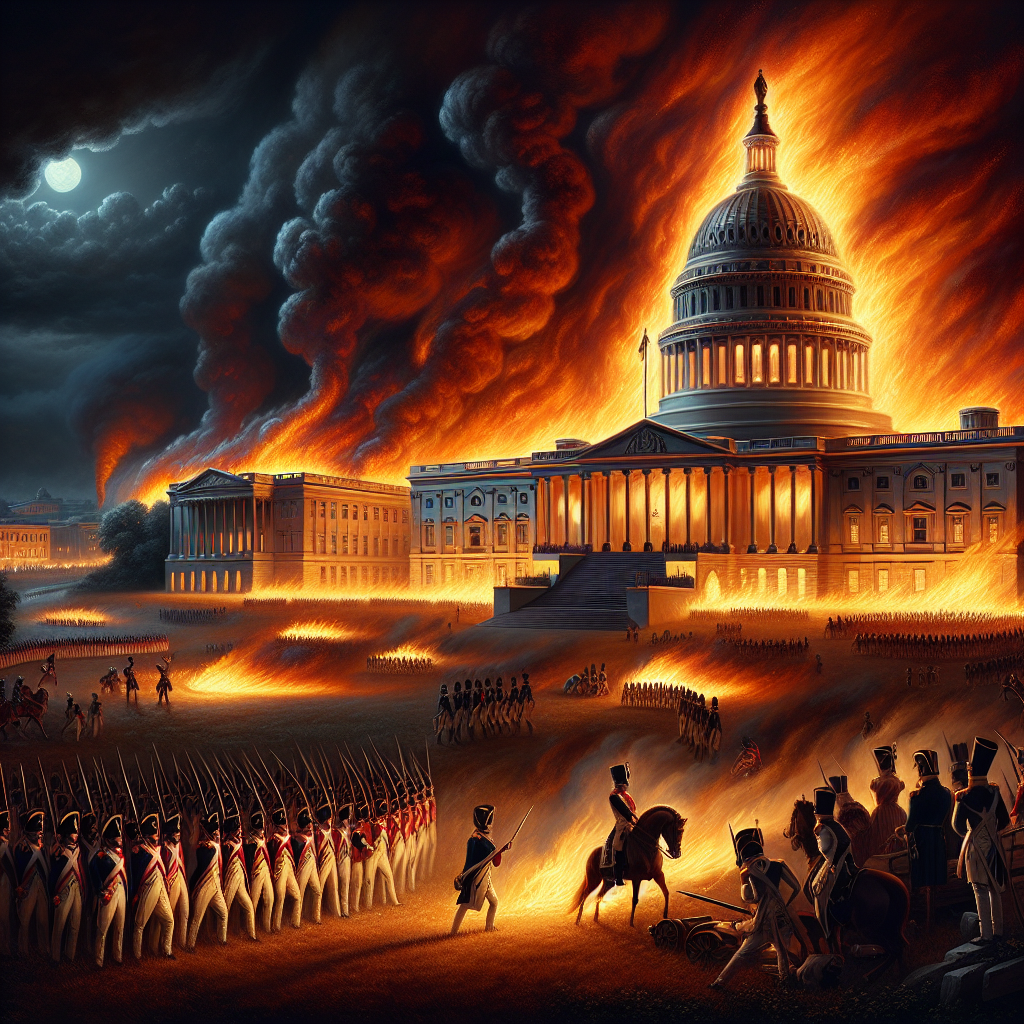
The War of 1812 was going badly for the United States — the British had burned the White House and Capitol just weeks earlier — so the defense of Baltimore was a rare and badly needed victory. Key's poem, first titled "Defence of Fort M'Henry," was quickly set to the tune of a popular British social-club song, "To Anacreon in Heaven," whose famously wide range has challenged singers ever since. Renamed "The Star-Spangled Banner," it spread rapidly in print.
For more than a century it remained one patriotic song among many, competing with "Hail, Columbia," "My Country, 'Tis of Thee," and "America the Beautiful." The military adopted it for ceremonies in the late nineteenth century, but it had no official status. Only in 1931, after a long campaign by veterans' groups and a petition with five million signatures, did Congress and President Herbert Hoover make it the official national anthem of the United States.
The anthem has remained a focal point for the country's arguments about itself. Its difficulty, its martial imagery, and a rarely sung third verse referencing slavery have all drawn debate, and its performance has become a recurring stage for protest — from raised fists at the Olympics to kneeling athletes. The actual flag Key saw, stitched by Baltimore flagmaker Mary Pickersgill, survives today at the Smithsonian.
| Author | Francis Scott Key |
| Written | September 13–14, 1814 |
| Occasion | Bombardment of Fort McHenry, War of 1812 |
| Melody | "To Anacreon in Heaven" (British song) |
| Became Anthem | March 3, 1931 |
| Original Flag | Sewn by Mary Pickersgill; now at the Smithsonian |
| Date | Written 1814; national anthem 1931 |
| Location | Baltimore, Maryland |