The Bald Eagle
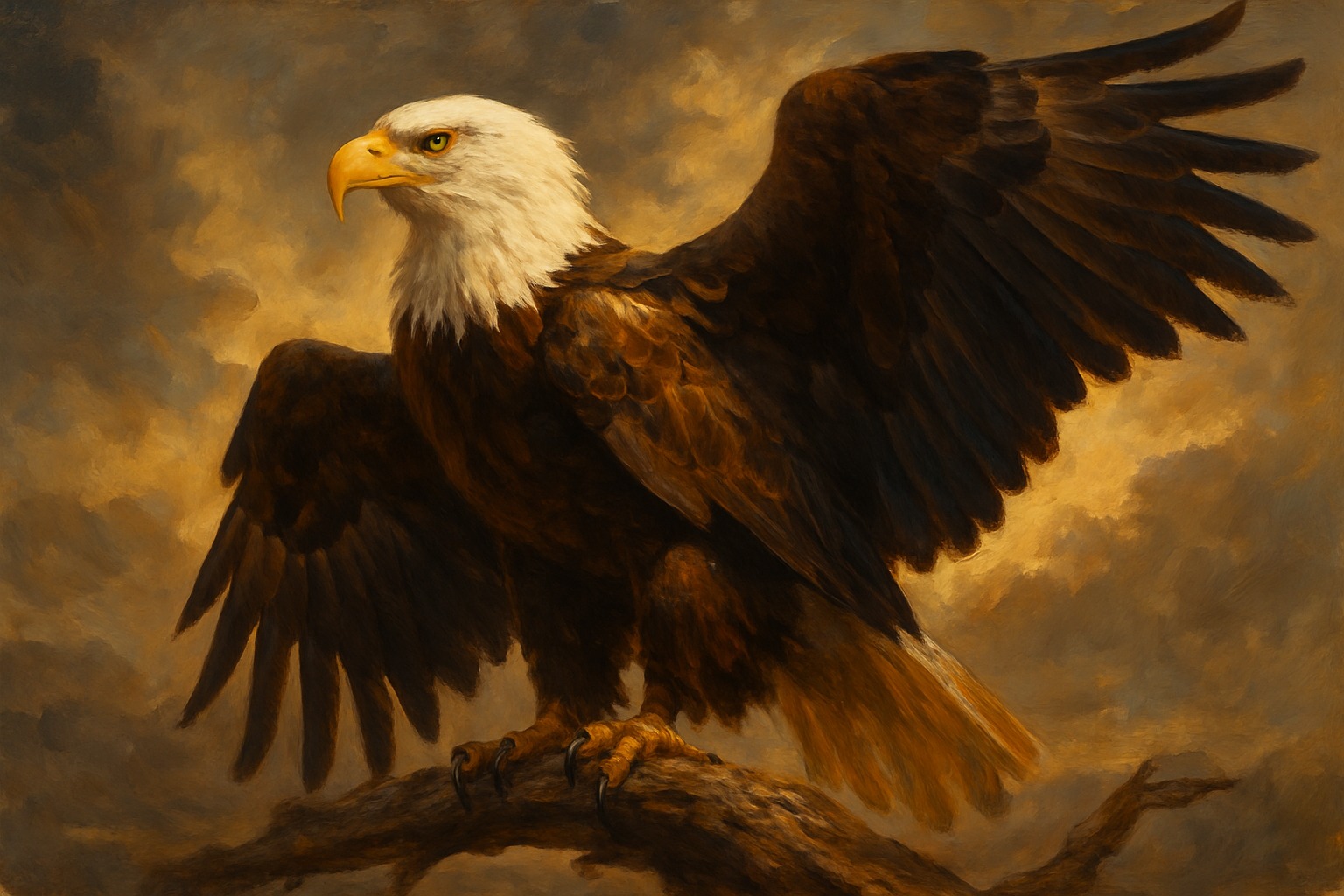
When the Continental Congress placed the bald eagle at the center of the Great Seal in 1782, it chose a bird found only in North America to stand for a wholly American nation. With its white head, dark body, and broad wingspan, the eagle projected the strength, independence, and longevity the young republic wished to claim. From the seal it spread to coins, military insignia, the presidential flag, and the imagination of the country.
Not everyone approved. Benjamin Franklin, in a private letter, mocked the eagle as "a bird of bad moral character" that stole food from other birds, and joked that the turkey would have been a more respectable choice. The remark, half in jest, has been retold ever since, but it never threatened the eagle's place — by the nineteenth century it was inseparable from the idea of American power.
The living bird nearly disappeared. Hunting, habitat loss, and above all the pesticide DDT, which thinned the shells of its eggs, drove the bald eagle to the brink; by the early 1960s only a few hundred nesting pairs remained in the lower forty-eight states. The national symbol had become a symbol of a different kind — of a species pushed toward extinction by human carelessness.
Its recovery became one of the great successes of American conservation. The banning of DDT in 1972 and the protections of the Endangered Species Act allowed the population to rebound dramatically, and the bald eagle was removed from the endangered list in 2007. In 2024 it was at last formally designated the official national bird, confirming in law what it had symbolized for more than two centuries.
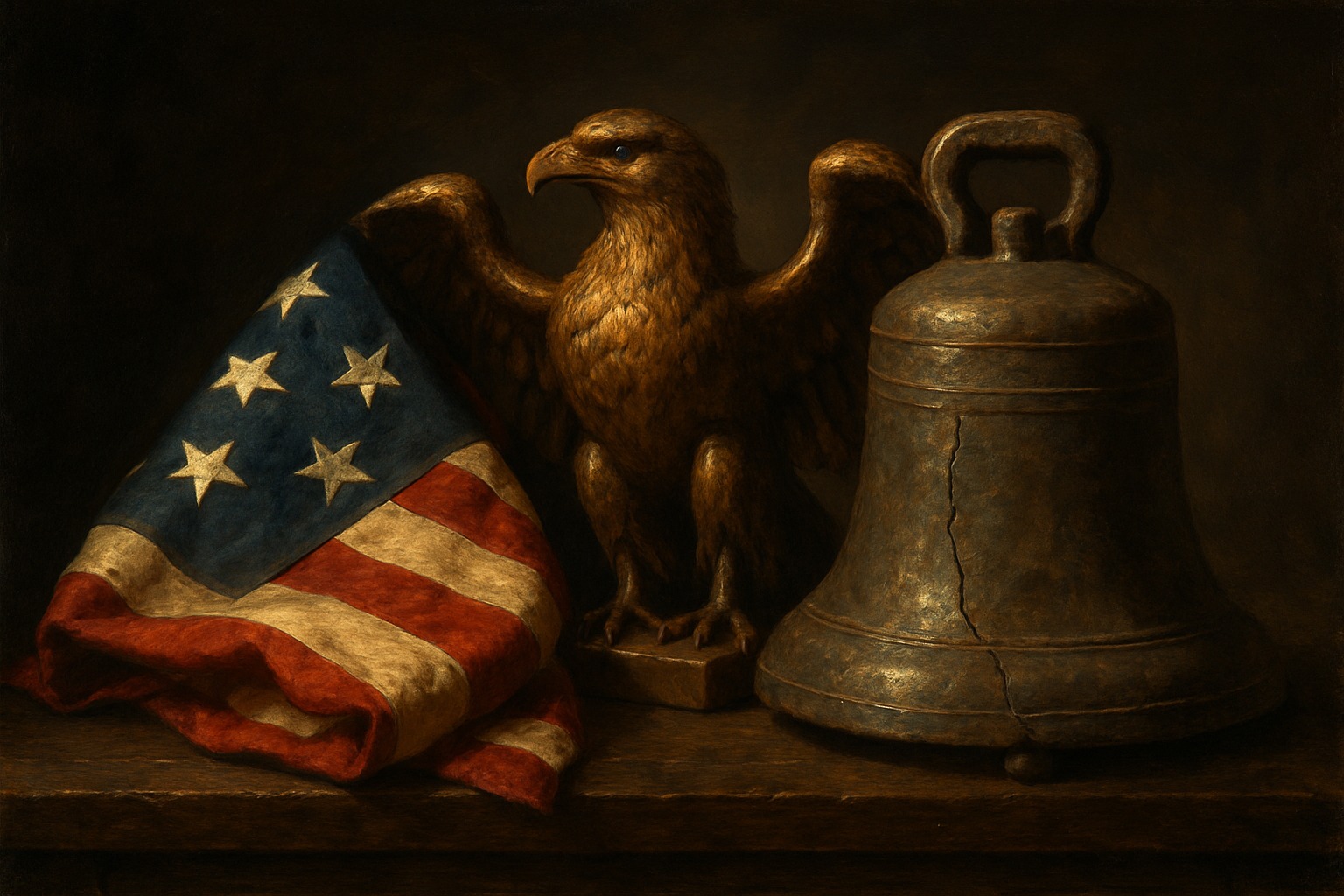
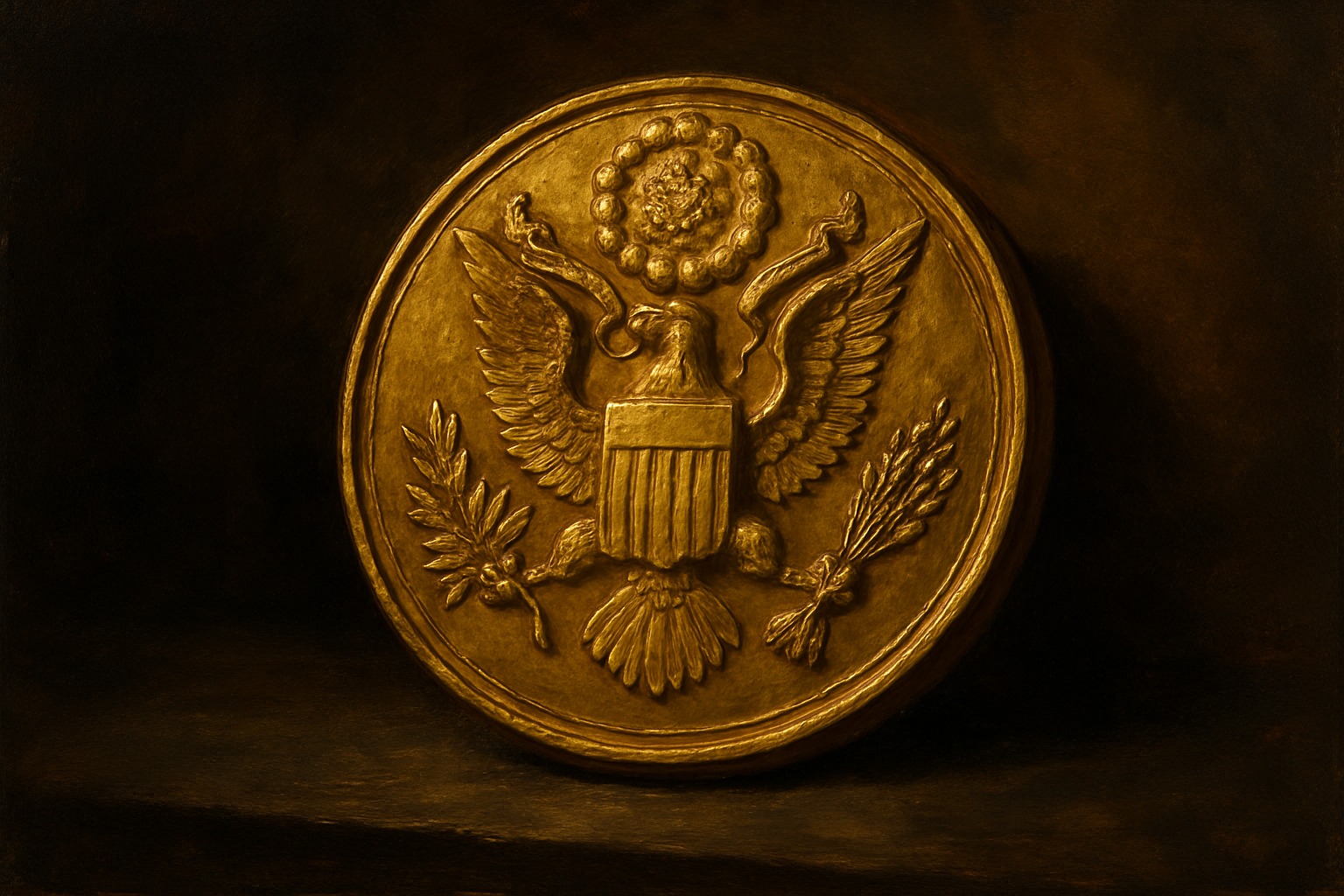
| Chosen | On the Great Seal, 1782 |
| Native to | North America only |
| Franklin | Privately preferred the turkey |
| Near-extinct | Driven down by DDT by the 1960s |
| Official Bird | Designated by law in 2024 |
| Date | National emblem since 1782 |