The American Flag
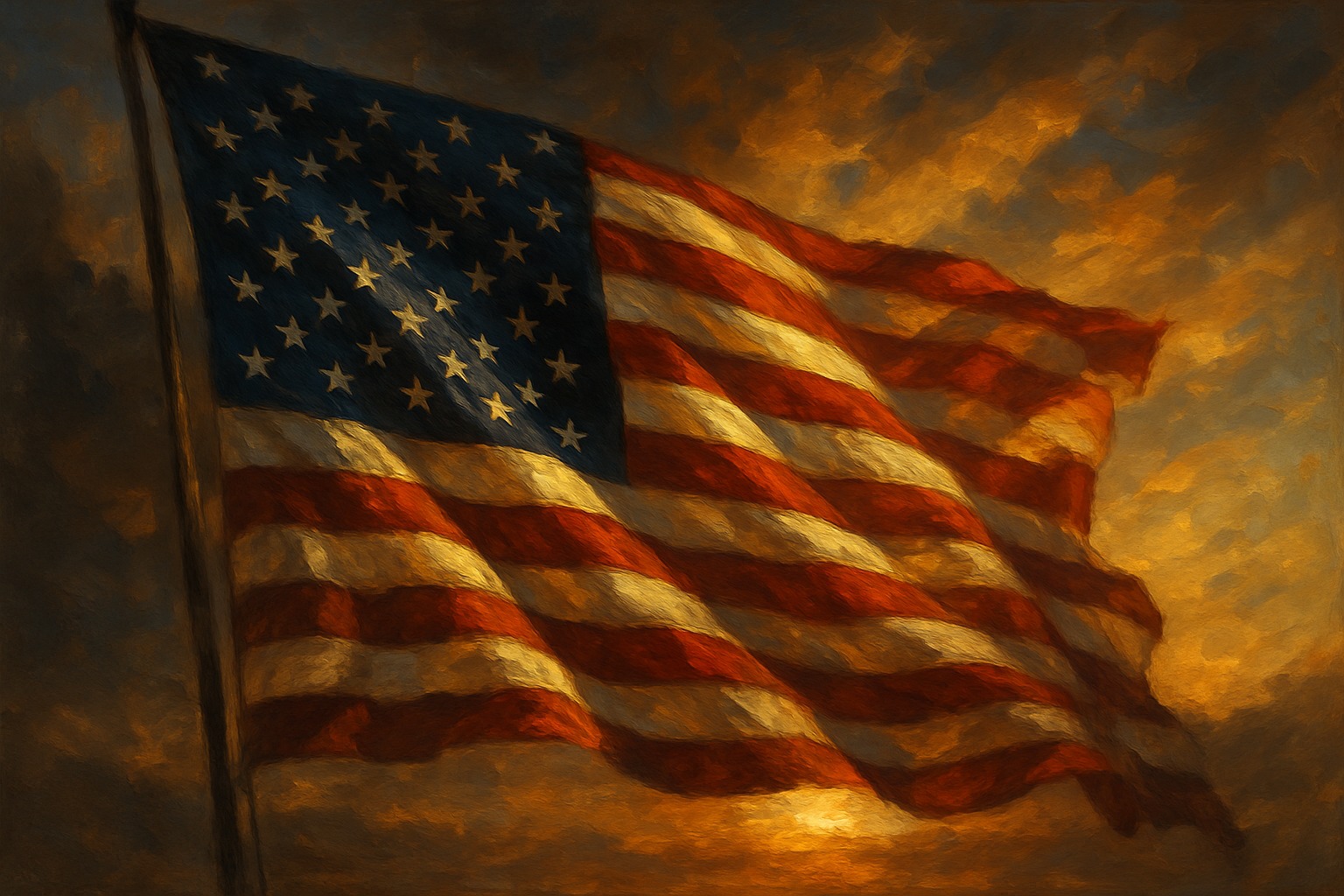
On June 14, 1777, the Continental Congress resolved that the flag of the new United States would carry thirteen stripes, alternating red and white, and thirteen white stars on a blue field, "representing a new constellation." The resolution was brief and left much undecided — it said nothing about how the stars should be arranged — so early flags varied widely. The popular story crediting Philadelphia seamstress Betsy Ross with sewing the first flag is cherished but unproven.
The flag was built to grow. As each new state joined the Union, a star was added, carrying the design from thirteen points to fifty. For a time the stripes grew too, until Congress in 1818 fixed them permanently at thirteen, one for each original colony, and ruled that only the stars would multiply. The current fifty-star flag, designed in part by an Ohio high-school student for a class project, has flown since 1960, the longest-serving version in the nation's history.
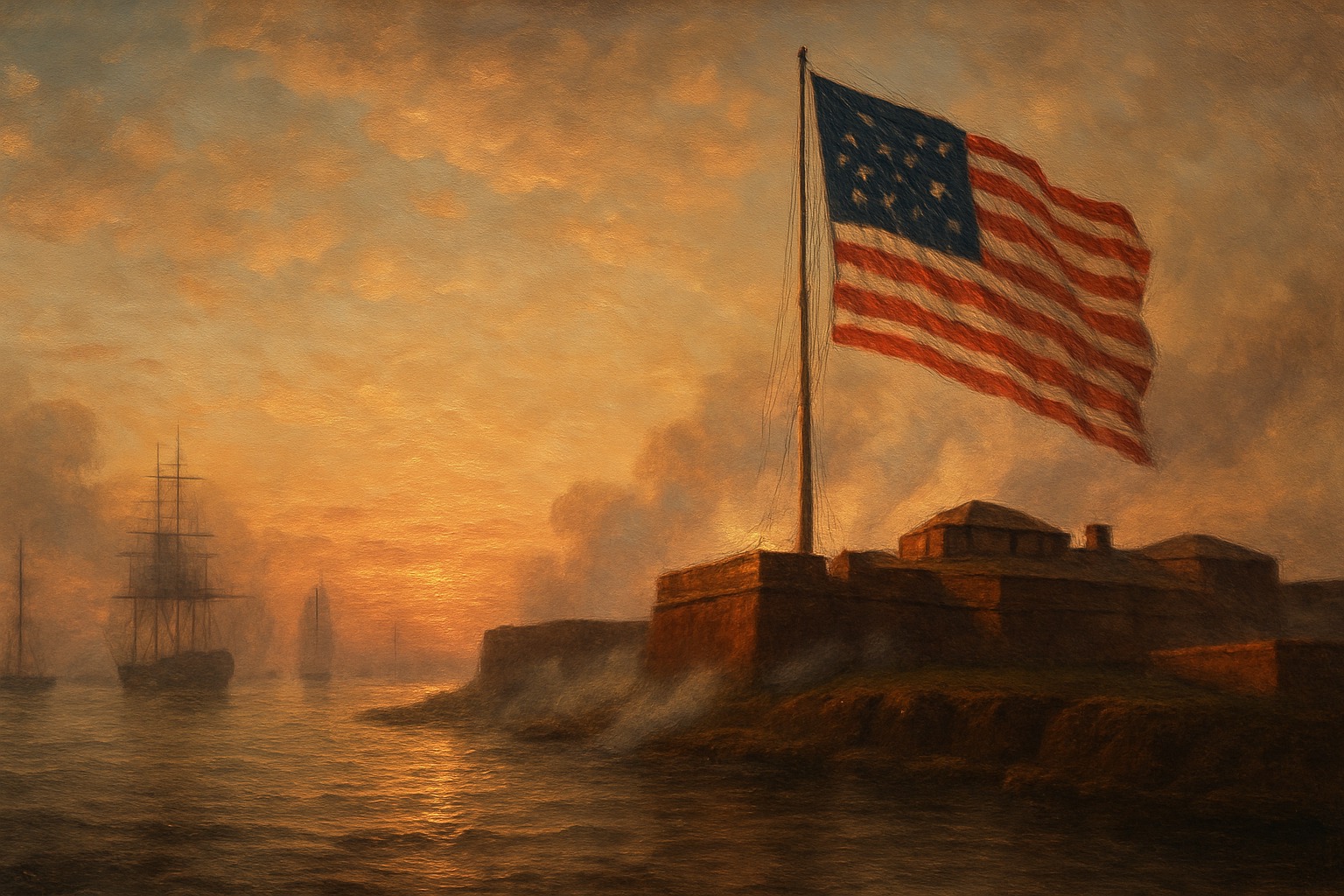
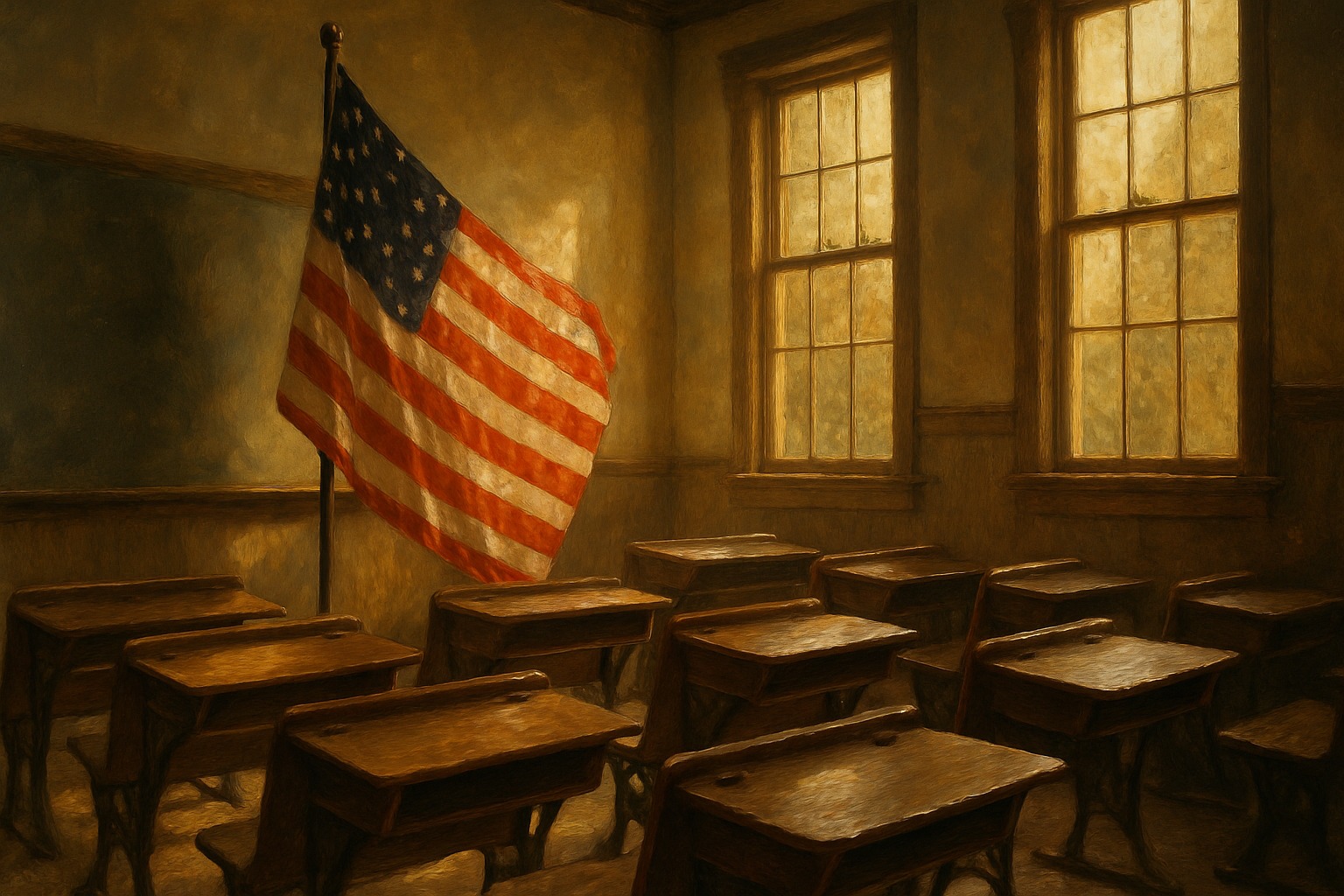
No object carries more emotional charge in American life. The flag flies over schools and statehouses, is folded into a tight triangle and handed to the families of the fallen, and stood at the center of the moment the anthem describes — the banner still flying over Fort McHenry at dawn in 1814. It has been planted on the moon and carried into every American war, and its nickname "Old Glory" dates to a nineteenth-century sea captain's name for his own ship's flag.
Because it stands for the whole country, the flag has also become a battleground. The Supreme Court ruled in 1989 that burning the flag in protest is protected speech, a decision that still provokes calls for a constitutional amendment. A detailed Flag Code governs how it should be displayed and retired. To honor it or to burn it is, in American life, to make a statement about the nation itself.

| Adopted | June 14, 1777, by the Continental Congress |
| Design | 13 stripes for the colonies; one star per state |
| Current Version | 50 stars, flown since 1960 |
| Nickname | "Old Glory" and "the Stars and Stripes" |
| Flag Day | Commemorated June 14 |
| Date | Adopted June 14, 1777 |