Berlin Airlift
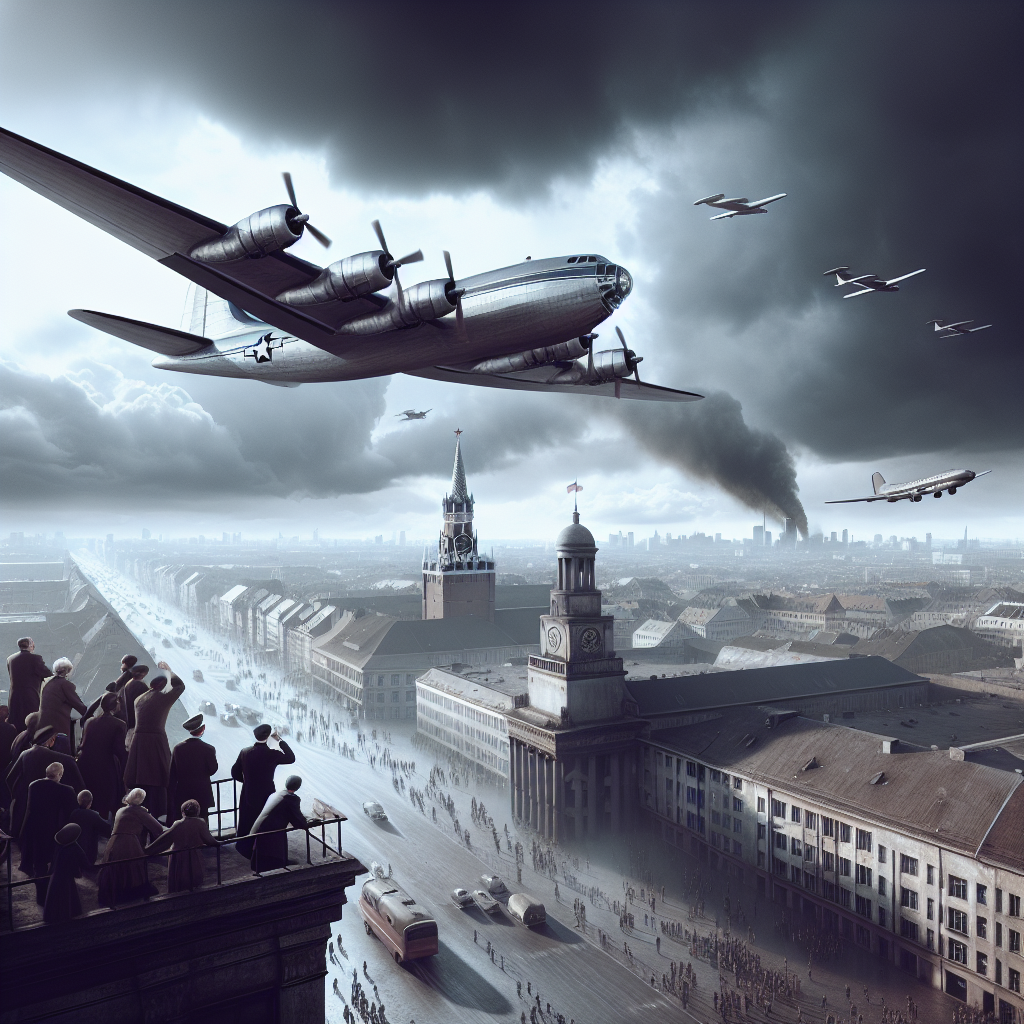
On June 24, 1948, the Soviet Union closed all road, rail, and canal access to West Berlin — a city of more than two million people sitting 110 miles inside the Soviet occupation zone of Germany. Stalin's calculation was direct: the Western Allies would either abandon their sectors of the city or accept Soviet terms for Germany's political future. Instead, the United States and Britain began flying in everything West Berlin needed to survive — coal, food, medicine, machinery — at a rate that eventually exceeded 8,000 tons per day. The Berlin Airlift lasted 11 months and became the defining early test of Cold War resolve.
At the operation's peak, a cargo plane landed at West Berlin's Tempelhof Airport every 90 seconds, around the clock. American and British pilots flew over 200,000 individual sorties across the 11 months, delivering nearly 2.3 million tons of supplies in total. The Soviets never fired on the air corridors — doing so would have constituted an act of war — and on May 12, 1949, they lifted the blockade, having achieved nothing. The airlift demonstrated both the logistical depth of American airpower and the political will to sustain an expensive, unglamorous commitment over the long term.
For West Berliners, the airlift transformed the meaning of the American presence in their city. A population that had been enemy civilians four years earlier became the object of what felt, in the moment, like an act of solidarity. American pilot Gail Halvorsen began dropping candy and small toys attached to handkerchief parachutes for Berlin children — the "Candy Bomber" became one of the most enduring human images of the Cold War's early years, and the gesture was recognized by everyone who heard it for what it actually was: a declaration about what the United States intended to be in the world.

| Dates | June 24, 1948 – May 12, 1949 |
| Cause | Soviet blockade of all land access to West Berlin |
| Allied Response | U.S. and British continuous airlift of supplies |
| Peak Delivery Rate | Over 8,000 tons/day; one landing every 90 seconds at Tempelhof |
| Total Flights | Over 200,000 sorties |
| Total Supplies | Approx. 2.3 million tons delivered |
| Outcome | Soviet blockade lifted May 12, 1949 — Western Allies retained Berlin |
| Date | June 24, 1948 – May 12, 1949 |
| Location | Berlin, Germany |