Alcatraz Island
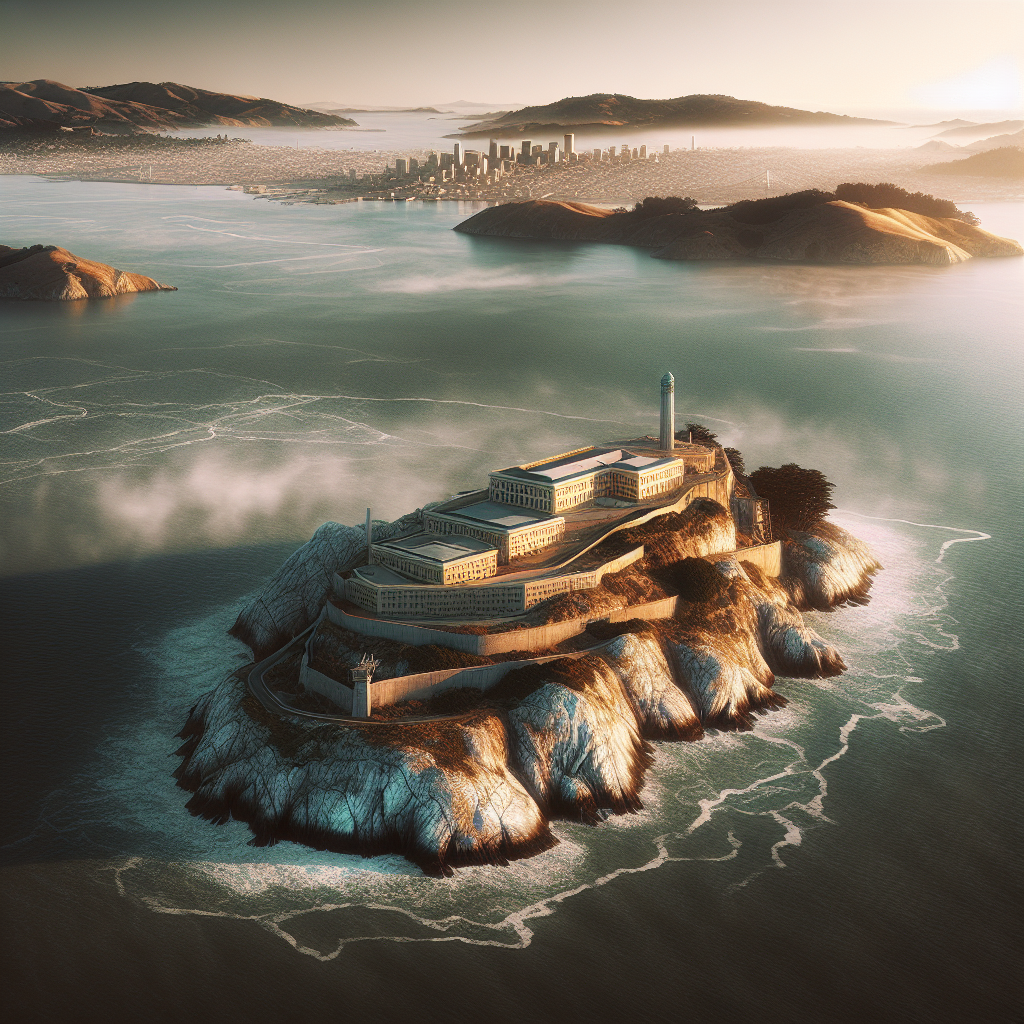
Alcatraz Island sits 1.25 miles offshore in San Francisco Bay, close enough to see the city skyline and far enough to make swimming to it almost certain death. The federal government recognized its strategic isolation early: the Army fortified it in the 1850s, and it served as a military prison for Confederate sympathizers, deserters, and Native American resisters before the Bureau of Prisons converted it in 1934 into what would become the most famous maximum-security penitentiary in American history. For 29 years, it held the men federal officials most wanted confined and most feared allowing near other prisoners.
Al Capone did time there. So did Alvin Karpis, George "Machine Gun" Kelly, and Robert Stroud — the "Birdman of Alcatraz," who was never actually permitted to keep birds on the island. The prison had no rehabilitation program by design; it was intended purely as a place of punishment and isolation. In June 1962, three men — Frank Morris and brothers John and Clarence Anglin — made it out of their cells, off the island, and into the bay. They were never found. The FBI officially maintains they drowned. The case has never been closed.
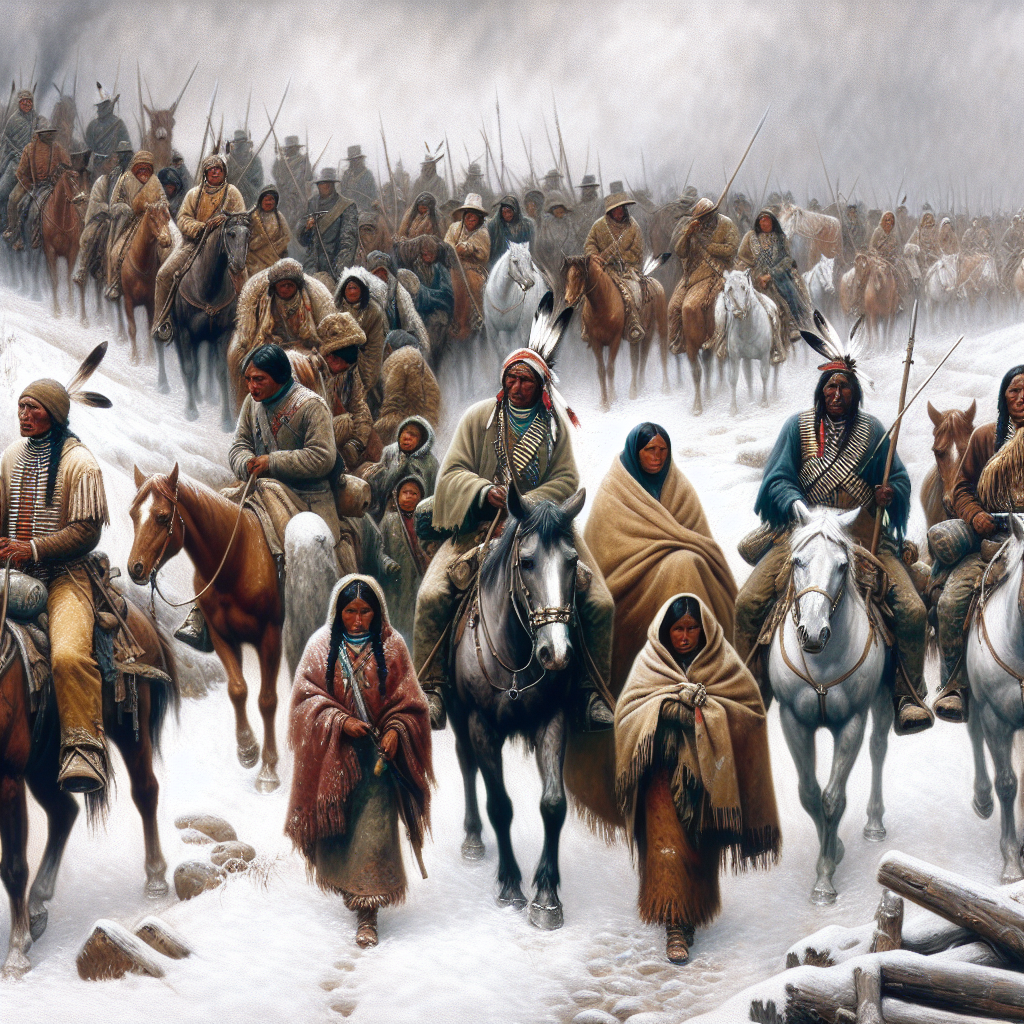
When the federal prison closed in 1963, Alcatraz sat empty — until November 1969, when 89 Native American activists occupied it, claiming the island under a treaty provision allowing Native people to claim unused federal land. For 19 months, the Red Power movement held Alcatraz and drew international attention to the poverty, broken treaties, and forced assimilation policies that had devastated Native communities for a century. Federal marshals removed the last occupants in June 1971. The occupation failed to achieve its specific demands. It ignited a generation of Native political activism that didn't.


| Location | San Francisco Bay, 1.25 miles offshore, California |
| Military Use | 1850s–1933 |
| Federal Prison | 1934–1963 |
| Notable Inmates | Al Capone, Robert Stroud ("Birdman"), George "Machine Gun" Kelly |
| Famous Escape | June 11–12, 1962 — Morris and Anglin brothers; never found |
| Native Occupation | November 1969 – June 1971 |
| Current Status | Harpers Ferry National Park Service — 1.5 million visitors annually |
| Years | 1934–1963 |
| Location | Alcatraz Island, San Francisco Bay, California |