The Liberator
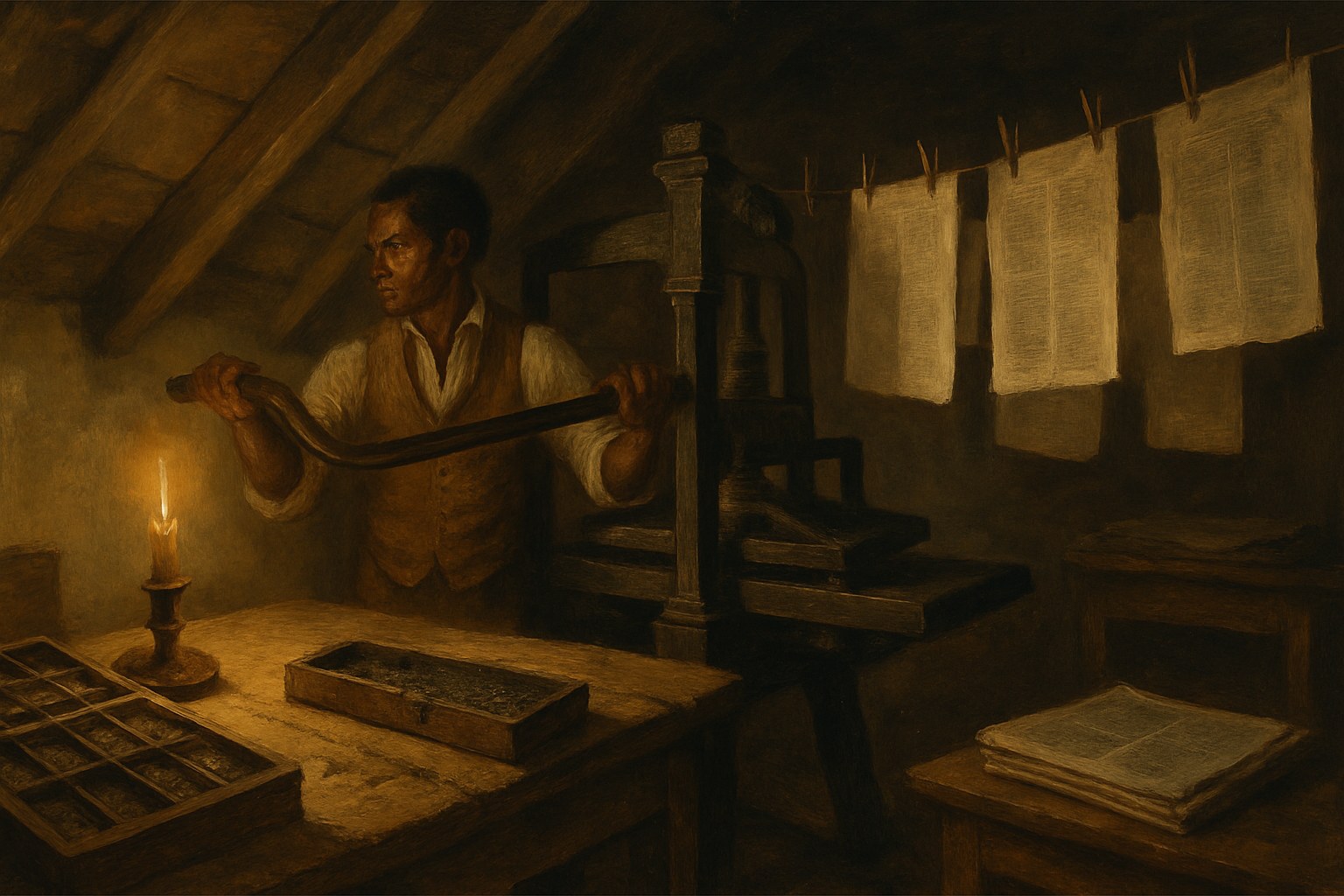
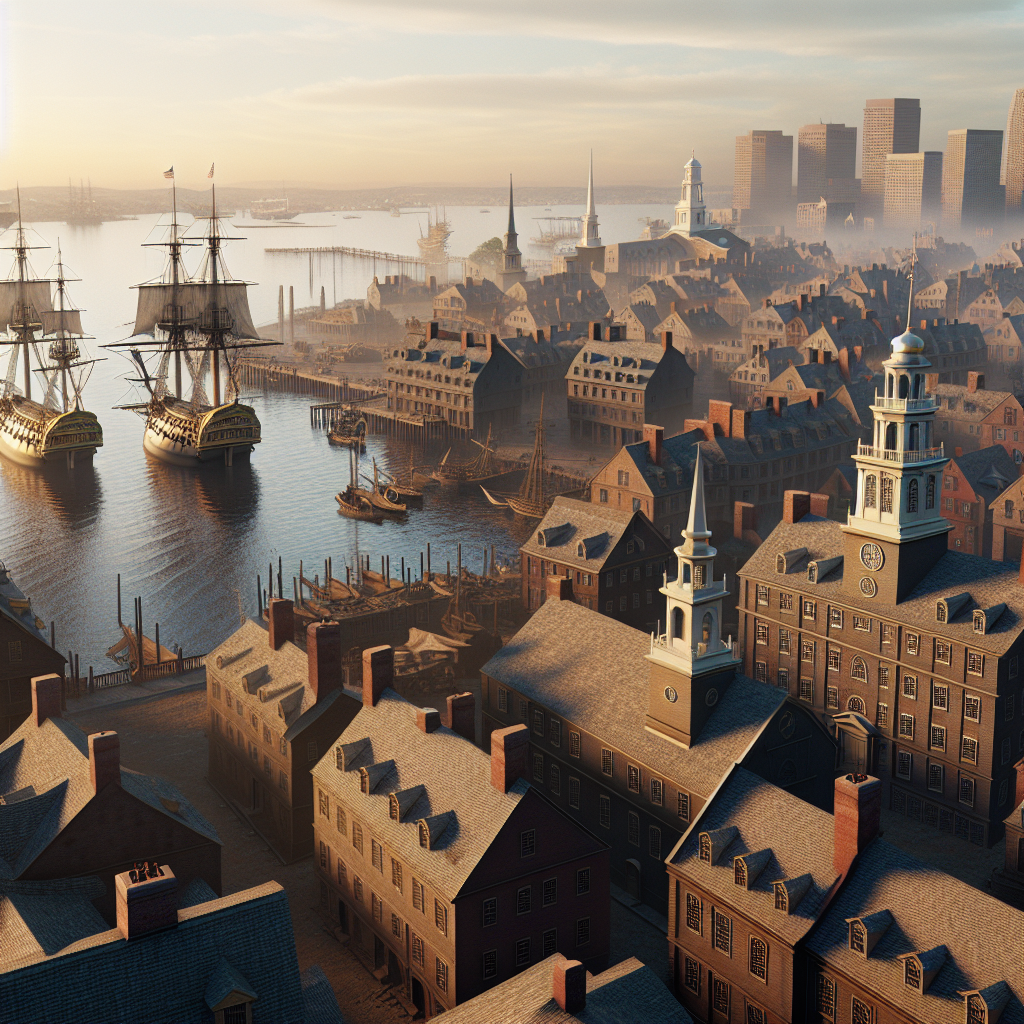
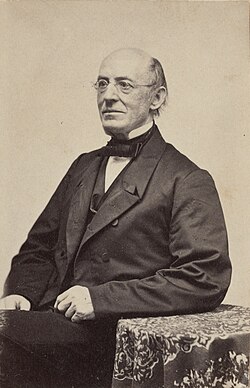
On January 1, 1831, a twenty-five-year-old printer in Boston issued the first number of a four-page weekly he had no money to produce, setting the type himself and sleeping in the shop. William Lloyd Garrison had come to believe that the respectable antislavery position of his day — gradual emancipation, compensation for owners, resettlement of freed people in Africa — was an evasion. The Liberator demanded immediate and unconditional emancipation, and in its opening column he refused in advance every request for moderation, promising that he would not retreat a single inch and that he would be heard.
Almost nobody read it. Circulation rarely passed three thousand, the paper never paid for itself, and the majority of its subscribers through the early years were free Black Northerners, who also supplied much of the money and many of the agents who kept it alive. Black abolitionists including James Forten organized subscriptions in Philadelphia and elsewhere, a dependence Garrison acknowledged. The paper's influence came not from its readership but from its reprints — Southern editors quoted it to show what abolitionists were saying, and in doing so carried it far beyond Boston.
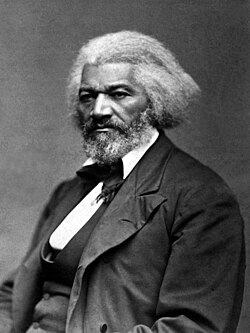
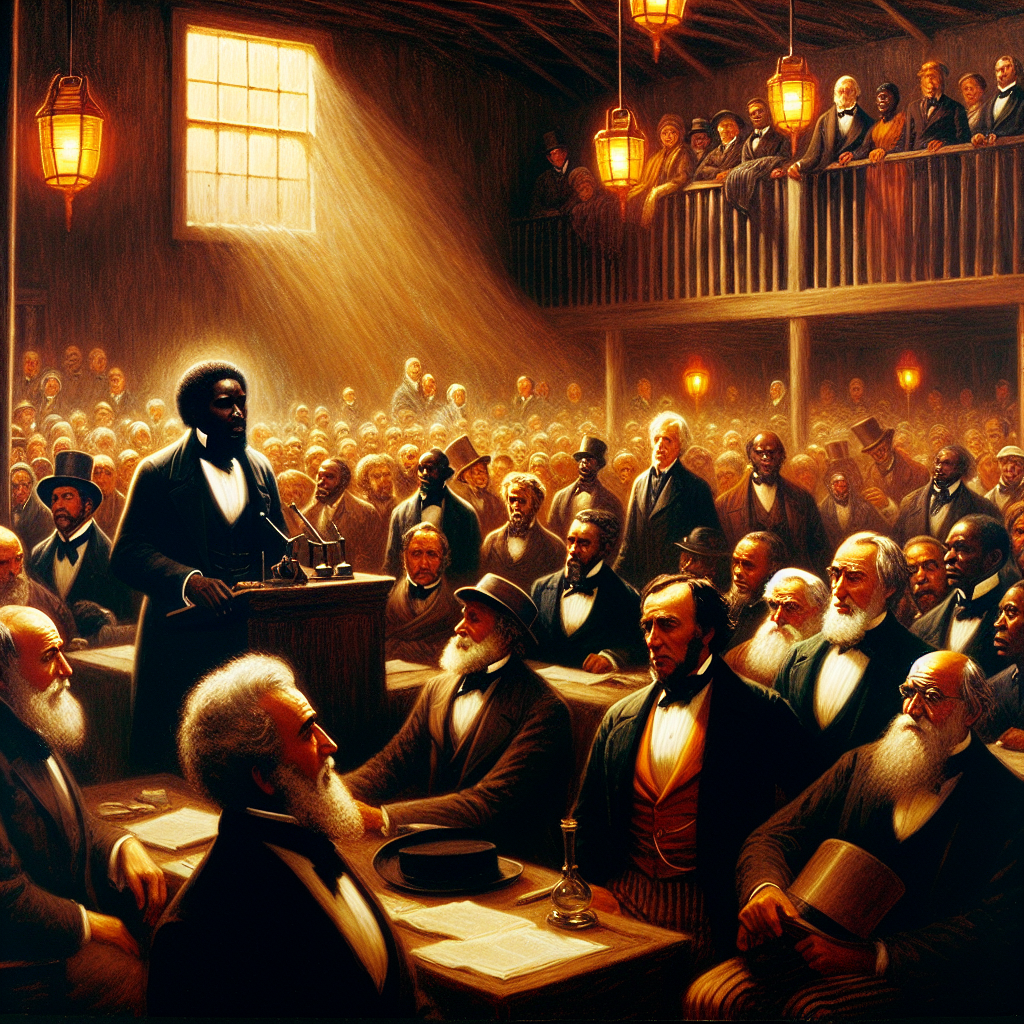
The reaction was ferocious. Georgia's legislature offered a reward for Garrison's arrest and conviction, Southern postmasters seized abolitionist mail, and in 1835 a Boston mob dragged him through the streets with a rope. He gave as much as he took, denouncing the churches for complicity and, on July 4, 1854, publicly burning a copy of the Constitution as a covenant with death and an agreement with hell. That position split the movement — Frederick Douglass, once his protege, broke with him and argued the Constitution could be read as an antislavery document.
Garrison printed the last issue on December 29, 1865, weeks after the Thirteenth Amendment was ratified, on the ground that the work was finished. Thirty-five years of a tiny, unprofitable weekly had helped move immediate abolition from a position too extreme to state in polite company to the law of the land. The Liberator is the standing case for what a publication with almost no circulation and no advertising can do if it refuses to stop saying the thing nobody wants to hear.
| First issue | January 1, 1831, Boston |
| Editor | William Lloyd Garrison |
| Position | Immediate, unconditional, uncompensated emancipation |
| Circulation | Rarely above 3,000, mostly free Black subscribers |
| Famous line | I will not retreat a single inch — and I will be heard |
| Final issue | December 29, 1865 |
| Date | 1831-1865 |
| Location | Boston |