The World Trade Organization
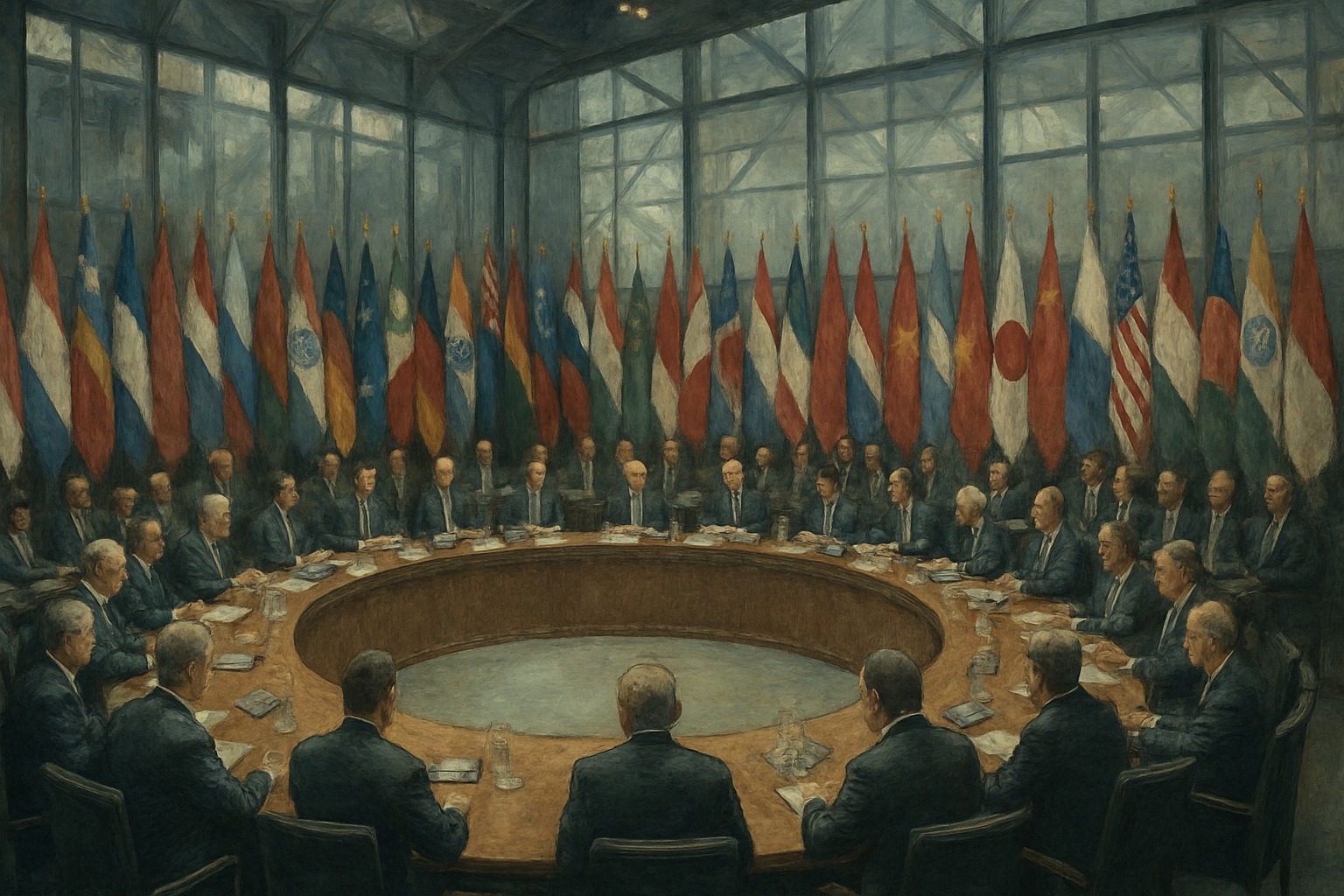
The rules that govern world trade were written, in large part, in Washington. Like the World Bank and the IMF, the postwar trading system grew from the American conviction that the protectionism and trade wars of the 1930s had helped cause the Depression and the war. In 1947 the United States led the creation of the General Agreement on Tariffs and Trade, a pact to lower tariffs and expand commerce, and over the following decades successive rounds of GATT negotiations steadily opened the markets of the world.
In 1995 the GATT gave way to a permanent institution, the World Trade Organization, headquartered in Geneva. The WTO went beyond cutting tariffs to write binding rules for global commerce and, crucially, to create a system for settling trade disputes between nations, with the power to authorize retaliation against members who broke the rules. It became the closest thing the world had to a supreme court of trade.
The organization became the engine and the symbol of globalization. It lowered barriers, expanded to more than 160 member nations, and in 2001 admitted China, binding the world's most populous country into the global trading system. That very success made it a target: in 1999 tens of thousands of protesters shut down a WTO summit in Seattle, giving voice to fears about lost jobs, environmental damage, and the surrender of national sovereignty to unelected trade bodies.
In recent years the WTO has faltered, its negotiations stalled and its dispute system hobbled as the United States, once its chief architect, grew disillusioned and turned toward tariffs and trade wars. Whatever its future, the organization stands as a central pillar of the American-built global order — proof of how thoroughly the United States shaped the rules by which the modern world does business.
| Origin | GATT (1947) |
| Became WTO | 1995 |
| Headquarters | Geneva, Switzerland |
| Role | Rules and dispute settlement for global trade |
| Members | 160+ nations |
| Flashpoints | 1999 Seattle protests; China joined 2001 |
| Date | GATT 1947; WTO 1995 |
| Location | Geneva, Switzerland |