The Smithsonian Institution
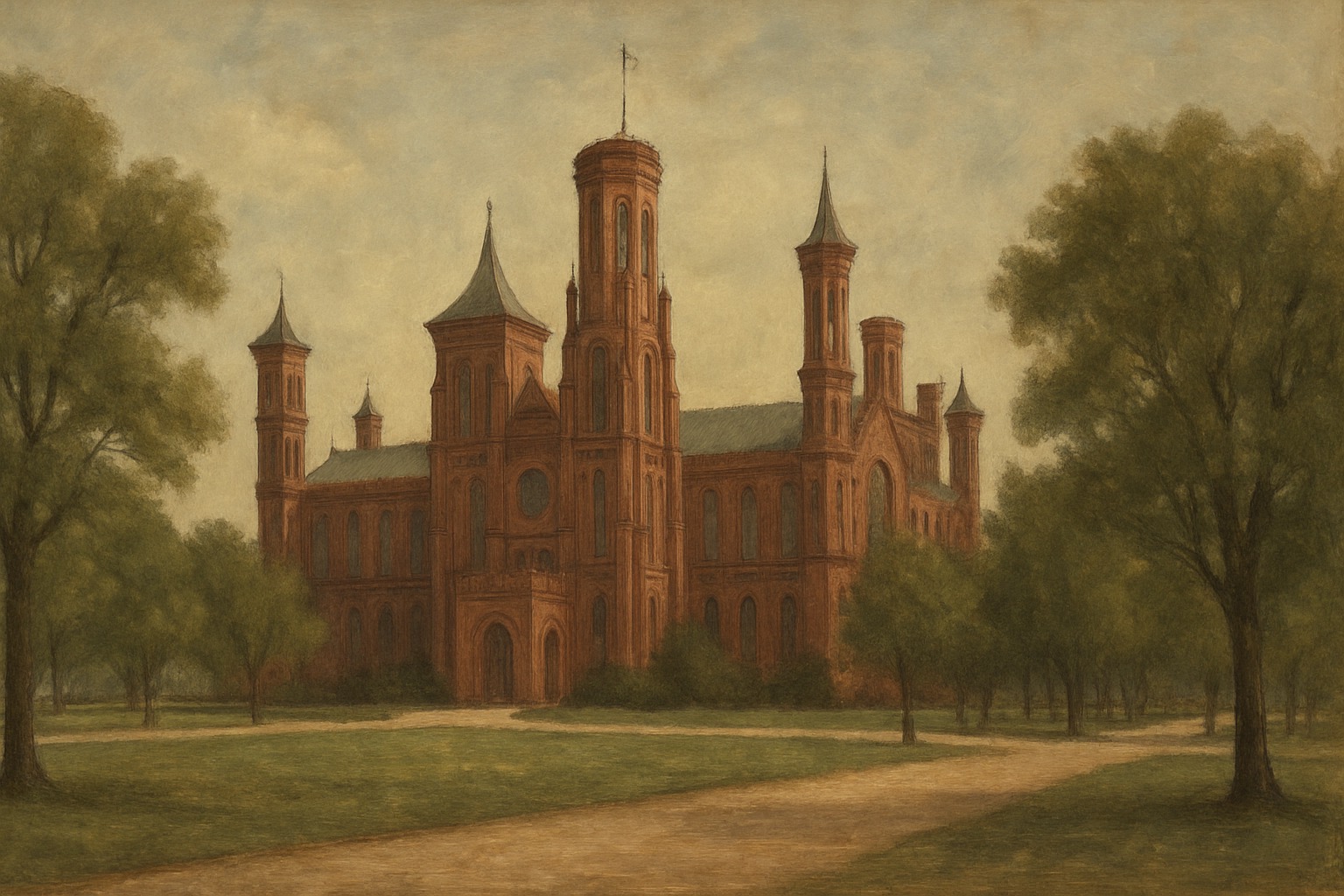
The United States built its greatest museum on the fortune of a man who never set foot in the country. James Smithson, an English chemist and the illegitimate son of a duke, died in 1829 and left his estate — should his nephew die without heirs — to the United States of America, to found in Washington an establishment for the increase and diffusion of knowledge. No one could explain why. When the nephew died childless in 1835, the government received more than half a million dollars in gold sovereigns, and Congress spent eleven years arguing over what to do with it before chartering the Smithsonian Institution in 1846.
The debate was real. Some in Congress wanted a national university, others a library or an observatory, and a few thought accepting a foreigner's money beneath the nation's dignity. The compromise created a research institution governed by a Board of Regents, with the physicist Joseph Henry as its first secretary. Henry, wary of a museum swallowing the endowment, steered the Smithsonian toward original science, publishing research and building a network of volunteer weather observers whose reports helped found American meteorology. The red sandstone "Castle" rose on the National Mall in 1855 as its first home.
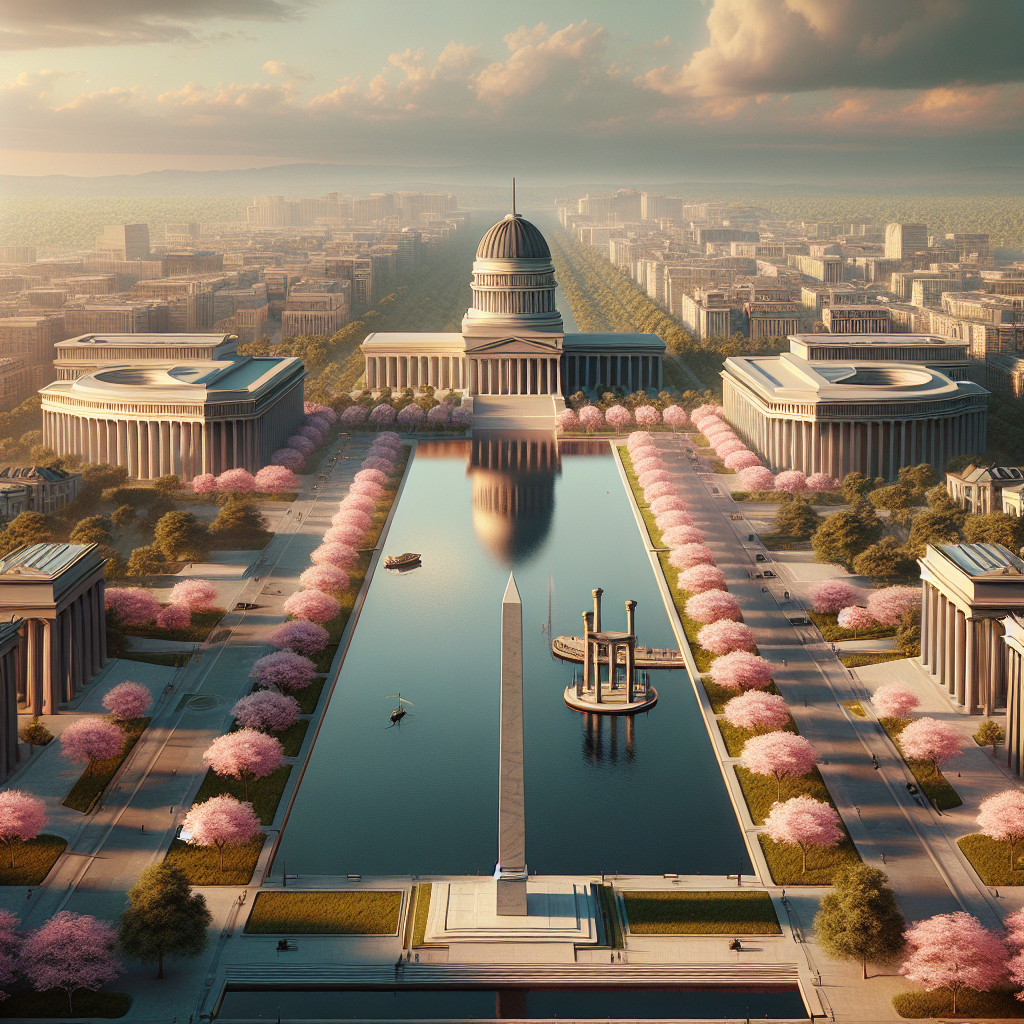
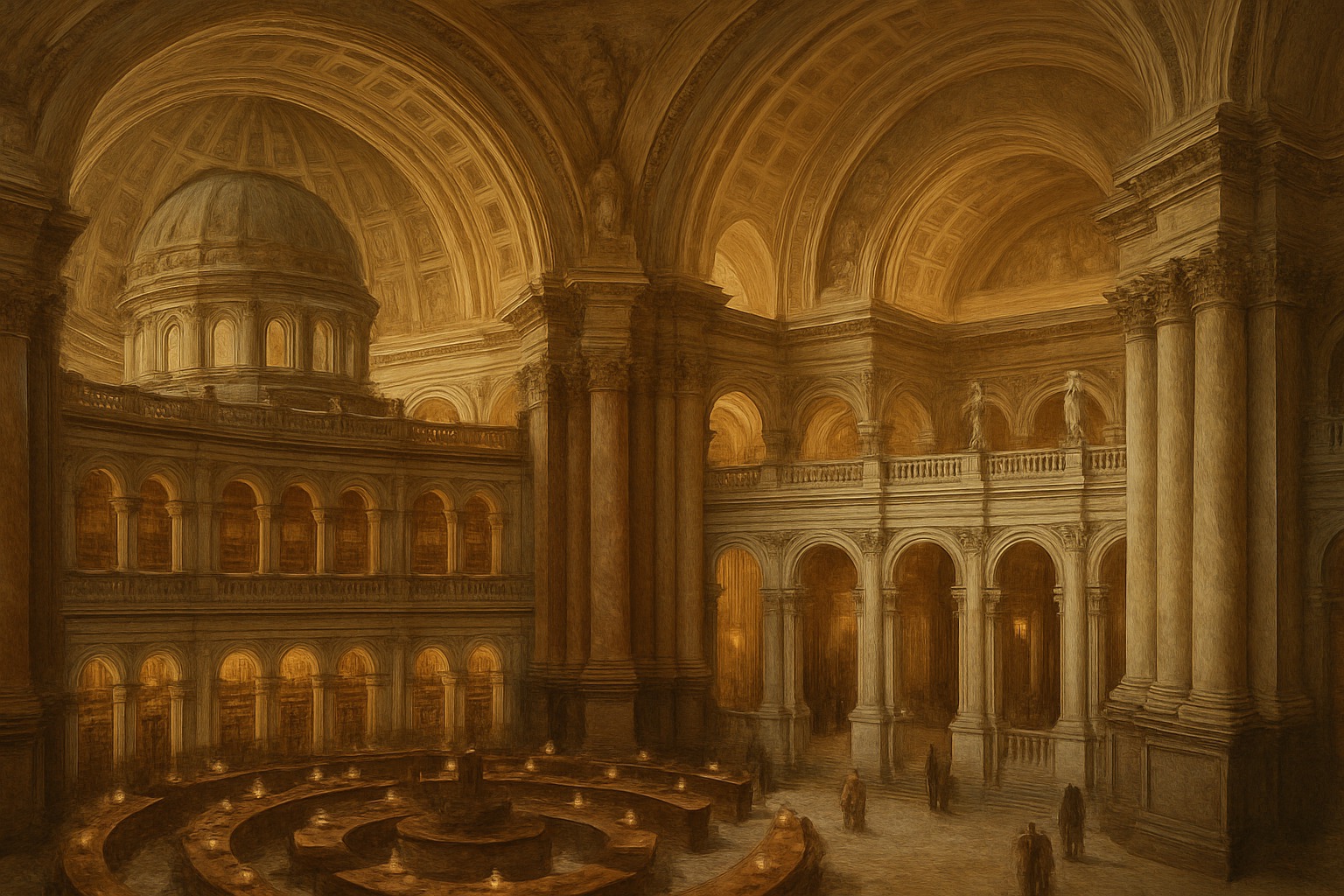
Over the following century the institution grew far beyond Henry's cautious vision. It absorbed the government's collections of specimens and artifacts, took charge of the national museum, and expanded across the Mall into a constellation of museums and research centers — natural history, American history, air and space, art, and the National Zoo. By the modern era the Smithsonian had become the largest museum and research complex in the world, holding well over a hundred million objects and specimens, most of them never on public display at any one time.
Often called "the nation's attic," the Smithsonian carries a quasi-governmental identity that reflects its odd origins. It is funded largely by the federal government yet governed by an independent board, neither wholly a public agency nor a private trust. Its holdings range from the Wright brothers' first airplane and the Star-Spangled Banner to the fossil record of deep time, and its free admission embodies Smithson's instruction that knowledge be diffused rather than hoarded. A stranger's bequest became the collective memory of a nation.
| Founded | 1846, by act of Congress |
| Benefactor | James Smithson, English chemist |
| Bequest | ~$500,000 in gold sovereigns |
| First Secretary | Joseph Henry, physicist |
| Location | Washington, D.C. (the National Mall) |
| Scope | 20+ museums, research centers, and the National Zoo |
| Nickname | "The Nation's Attic" |
| Date | Founded 1846 |
| Location | Washington, D.C. |