The Library of Congress
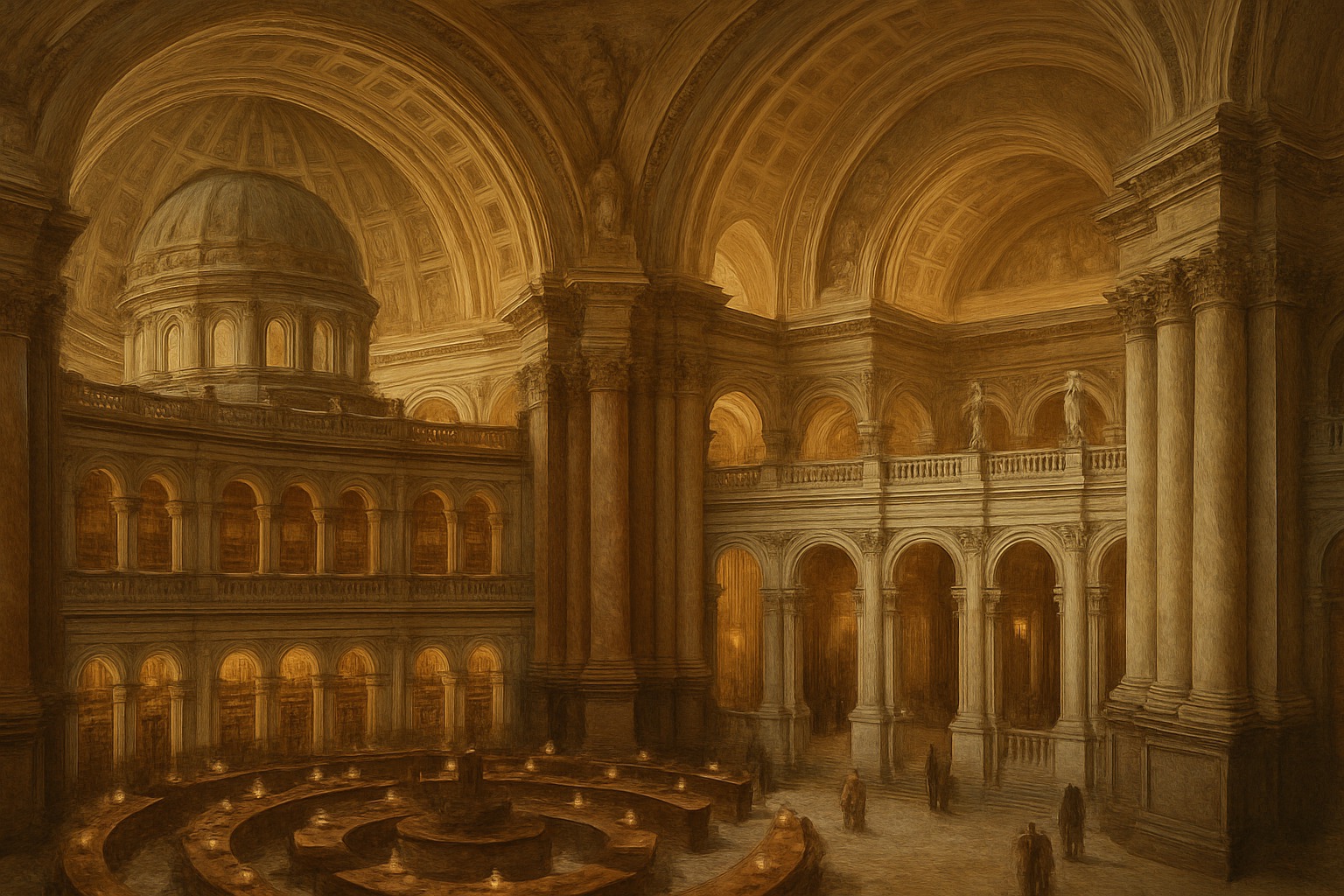
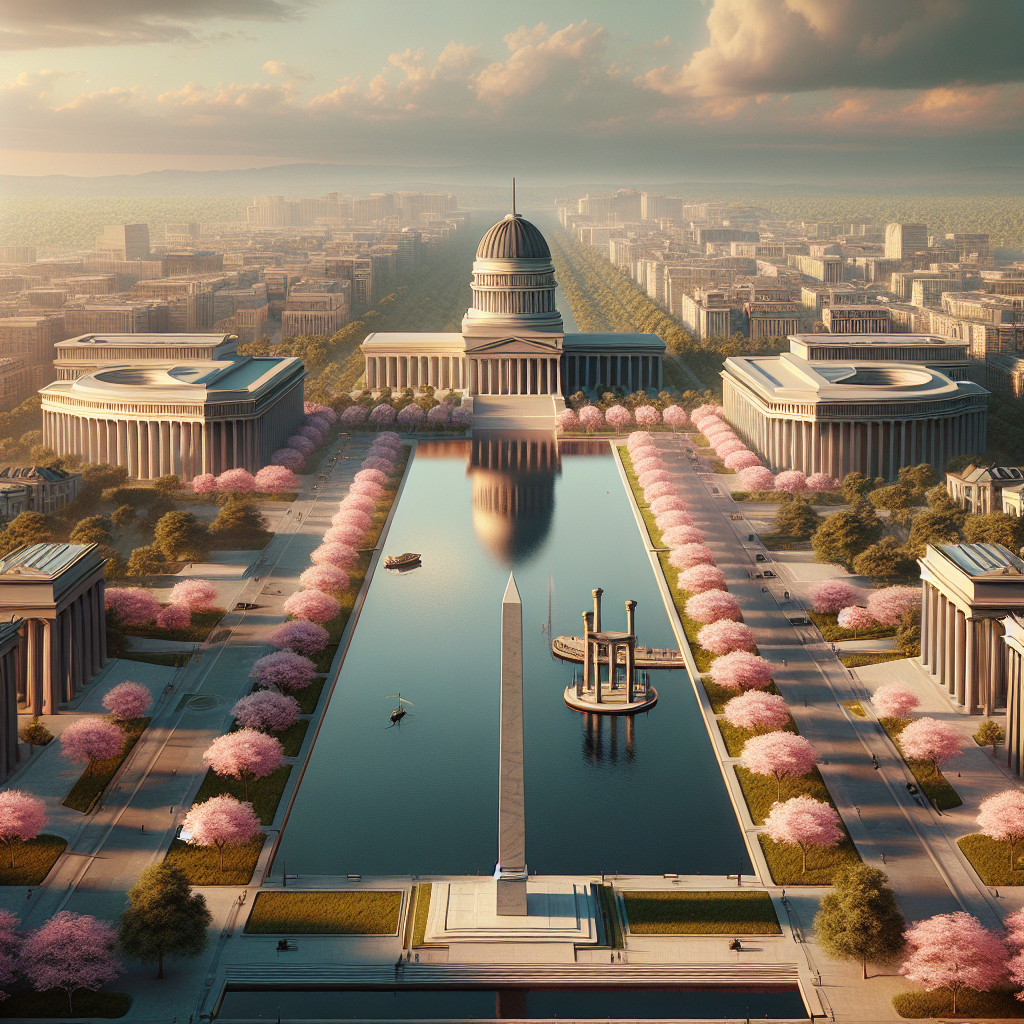
The Library of Congress began in 1800 as a working collection for legislators, established when the government moved to the new capital on the Potomac and Congress appropriated five thousand dollars to buy books for its own use. For its first years it was a modest reference shelf housed in the Capitol, meant to serve members debating law and policy. That quiet beginning gave little hint of the institution it would become — the largest library in the world and, in effect, the memory of the American republic.
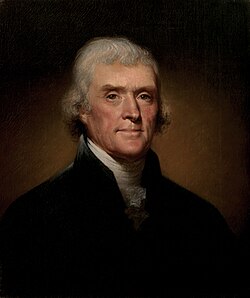
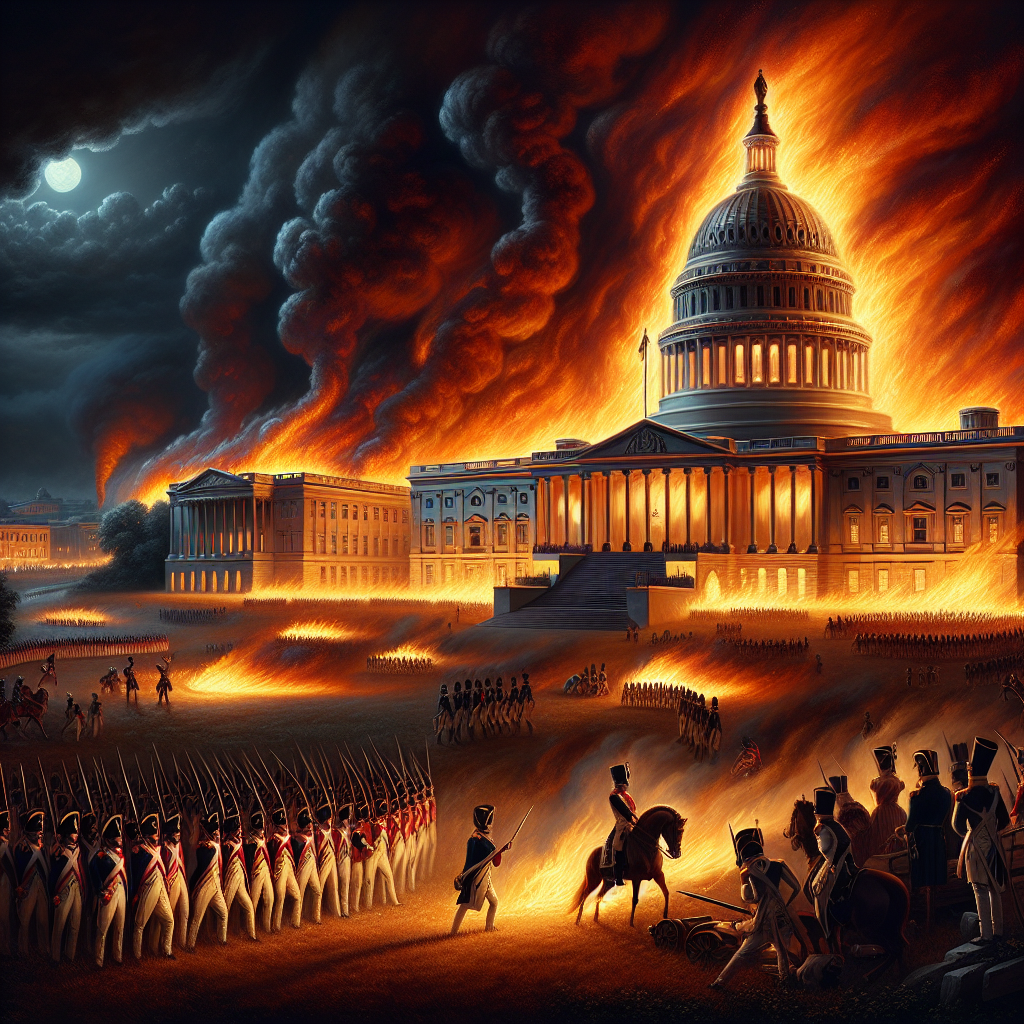
War nearly ended it. When British troops burned Washington in 1814, they destroyed the Capitol and the roughly three thousand volumes inside it. The retired Thomas Jefferson, land-poor but book-rich, offered his personal library — some 6,487 volumes, the finest in America and ranging across science, philosophy, and languages far beyond law. Congress bought it in 1815, and Jefferson's belief that no subject was beyond a legislator's concern reshaped the library's mission from a lawmakers' shelf into a universal collection. A second fire in 1851 destroyed much of that original library, but the principle survived.
The library's explosive growth came after the Civil War, driven by a single administrative decision. In 1870 Congress centralized the nation's copyright system within it, requiring that two copies of every book, map, photograph, and piece of music seeking protection be deposited there. The flood of material soon overwhelmed the Capitol, and in 1897 the collection moved into its own ornate Beaux-Arts building — the Thomas Jefferson Building — across the street, its Great Hall a marble monument to learning.
Today the Library of Congress holds well over a hundred and seventy million items in hundreds of languages, from Gutenberg Bibles to born-digital archives of the internet. It houses the Congressional Research Service, the Copyright Office, and the world's largest collections of maps, recordings, and photographs. Though it still answers first to Congress, it functions as the closest thing the United States has to a national library, open to any adult researcher and committed, like the Smithsonian, to gathering knowledge on behalf of the whole country.
| Founded | 1800 |
| Location | Washington, D.C. |
| Rebuilt on | Thomas Jefferson's library, purchased 1815 |
| Copyright | National copyright deposit since 1870 |
| Main building | Thomas Jefferson Building (opened 1897) |
| Holdings | 170+ million items in hundreds of languages |
| Role | De facto national library and research arm of Congress |
| Date | Founded 1800 |
| Location | Washington, D.C. |