The United States Army
The nation's oldest armed service, born with the Revolution in 1775
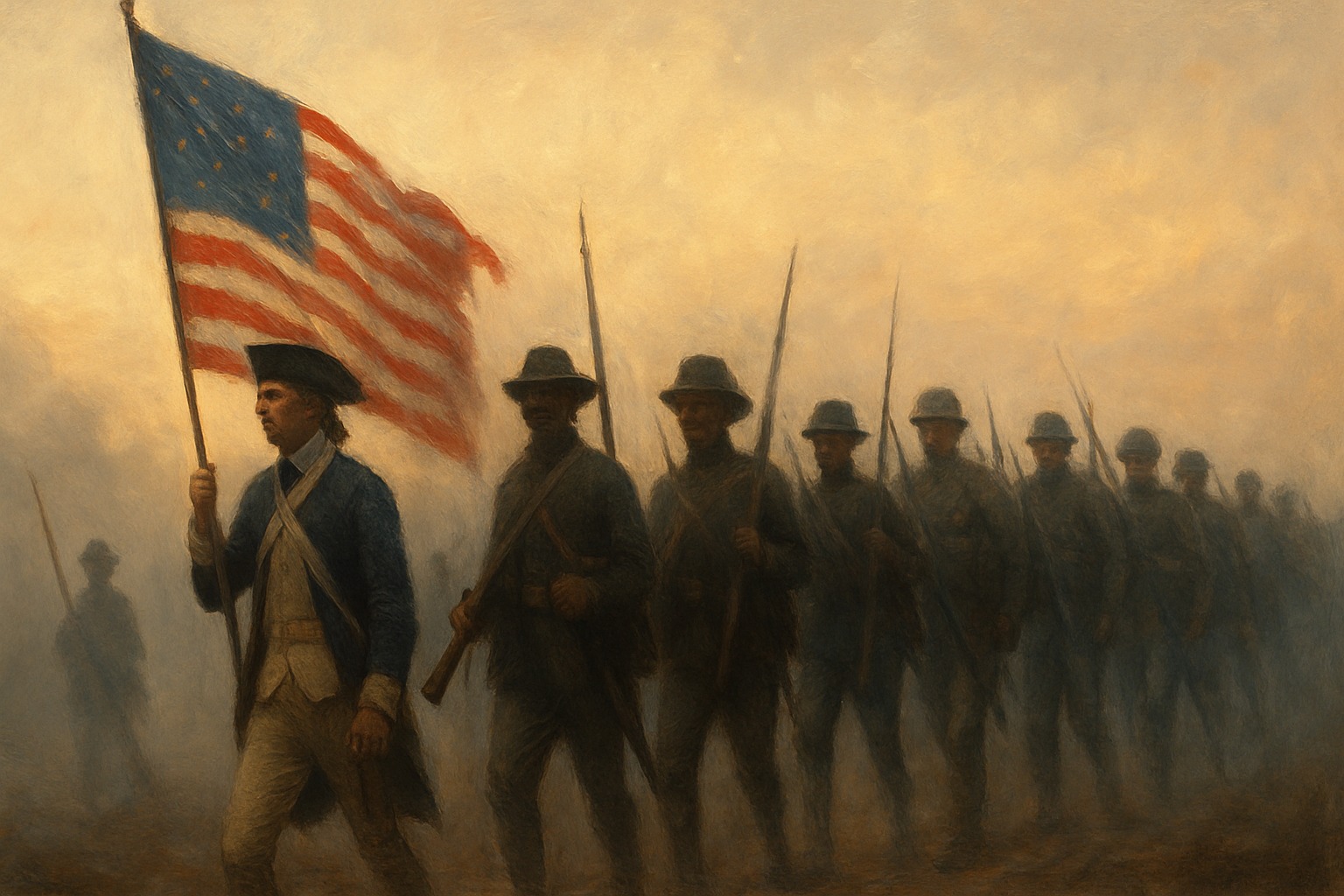
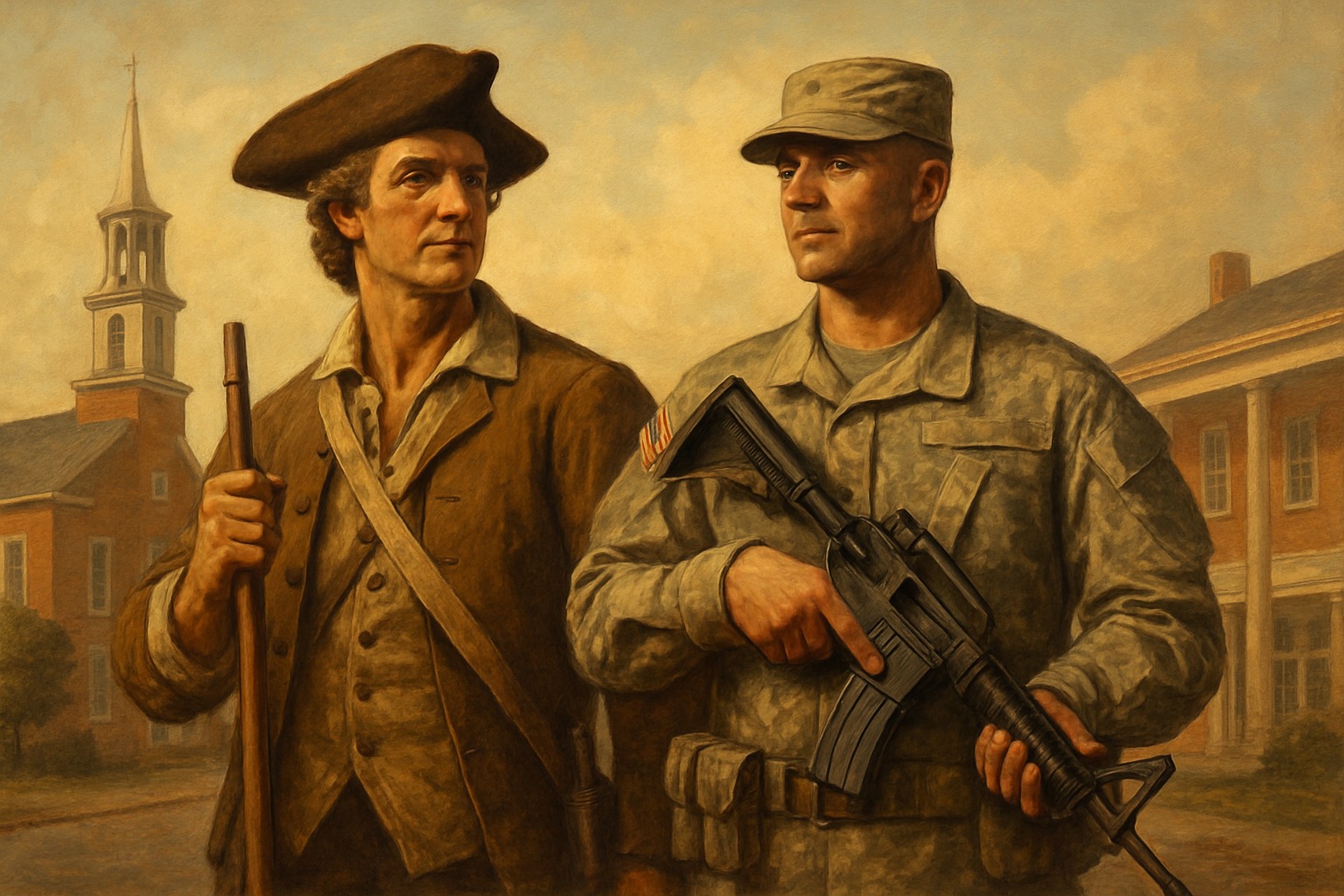
The United States Army is older than the United States. On June 14, 1775, the Second Continental Congress voted to raise a Continental Army from the militia besieging Boston and, the next day, placed George Washington at its head. From that improvised force of farmers and tradesmen grew the land army that would win independence and, over the next two and a half centuries, become the largest and most powerful military service the nation fields.
The Army's size has swelled and shrunk with the nation's wars. A small frontier constabulary for much of the 1800s, it ballooned into a mass conscript army during the Civil War, and again for the two World Wars, when the draft turned millions of civilians into soldiers. Between wars it contracted sharply, a rhythm of mobilization and demobilization that reflected the old American suspicion of large standing armies inherited from the Revolution itself.
The Army was also an engine of social change, sometimes ahead of the society it served. President Truman ordered it desegregated in 1948, integrating Black and white soldiers years before the civil rights movement reached its peak. In 1973, after Vietnam, the draft ended and the Army became an all-volunteer force, a transformation that reshaped the relationship between the military and the citizens it drew from.
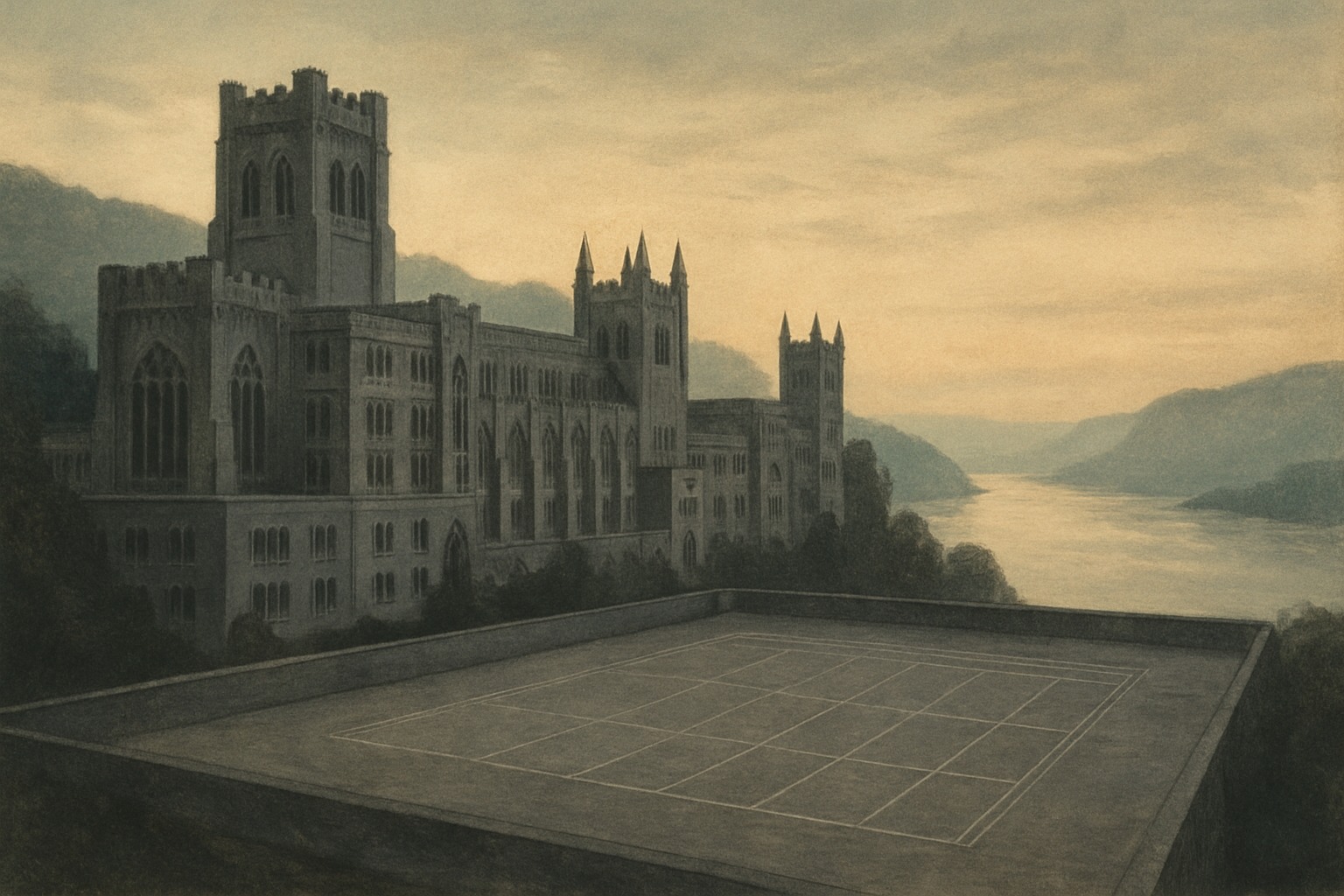
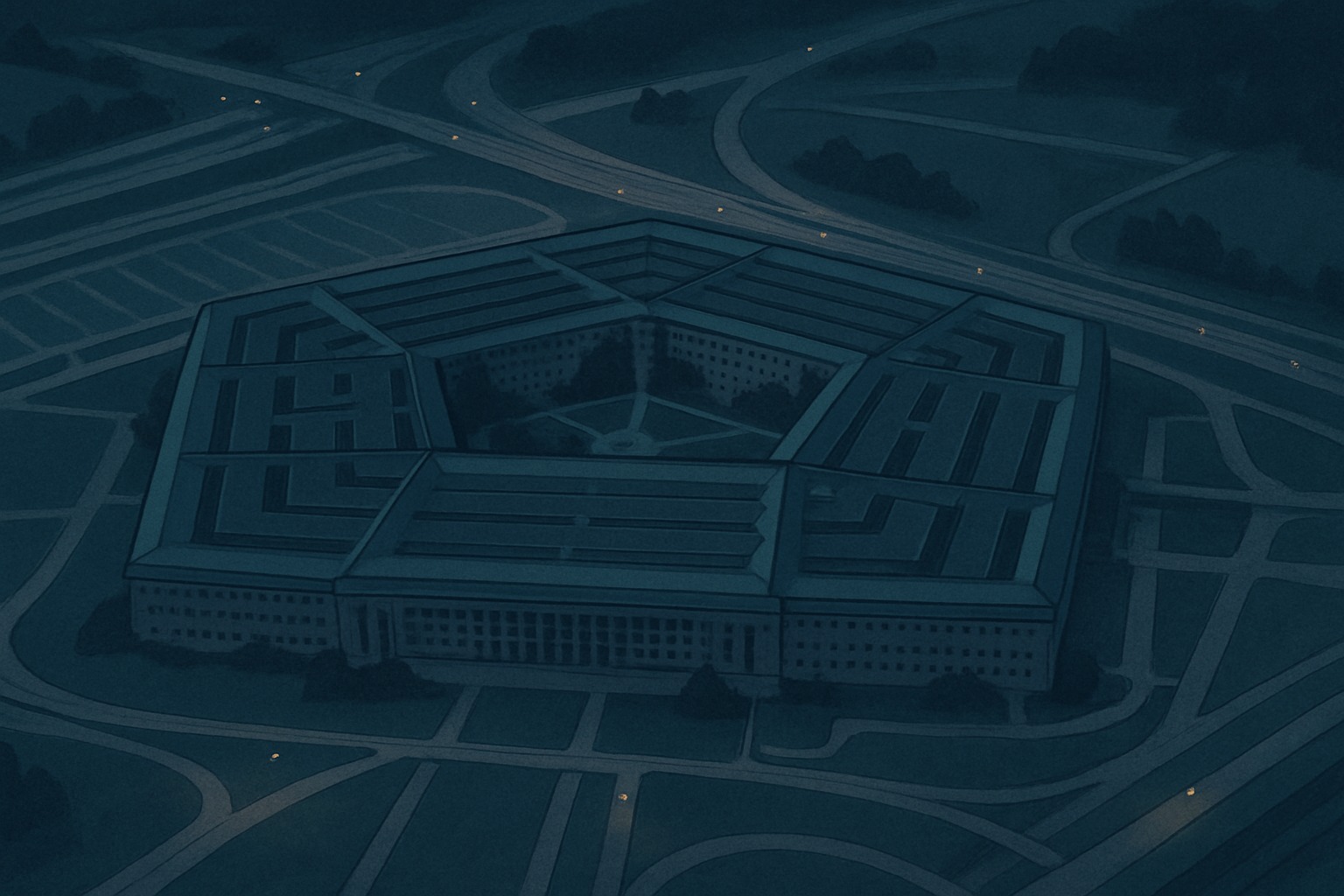
Today the Army remains the largest branch of the armed forces, organized into the active Regular Army, the Army Reserve, and the Army National Guard, and postured around the globe. It trains its officers at the U.S. Military Academy at West Point and commands from the Pentagon, the two institutions that anchor its long tradition. For all the growth, its founding purpose has not changed since 1775 — to fight and win the nation's wars on land.


Related entries
Across the Brief network
People in this entry, on BriefPeople