The Department of Homeland Security
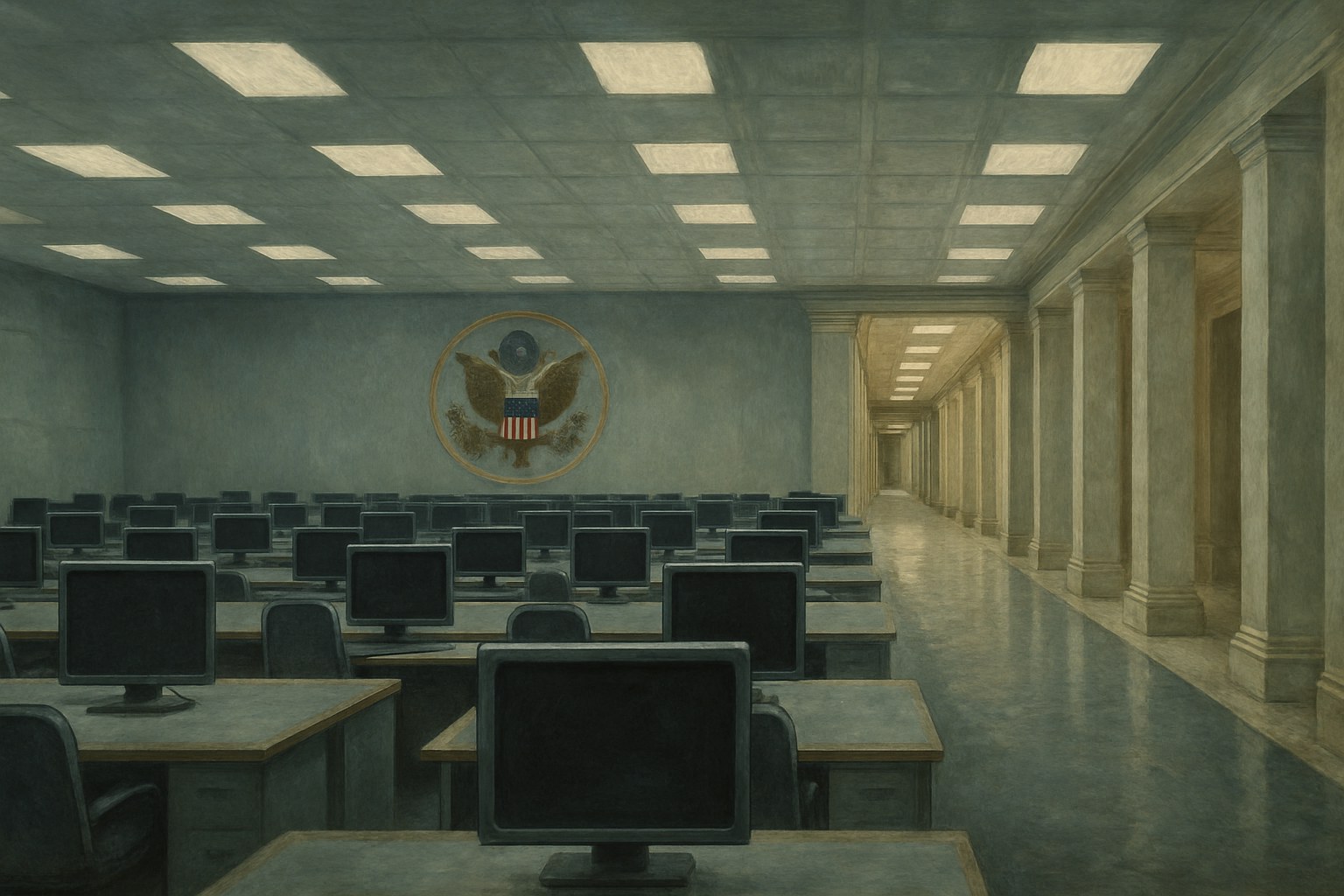
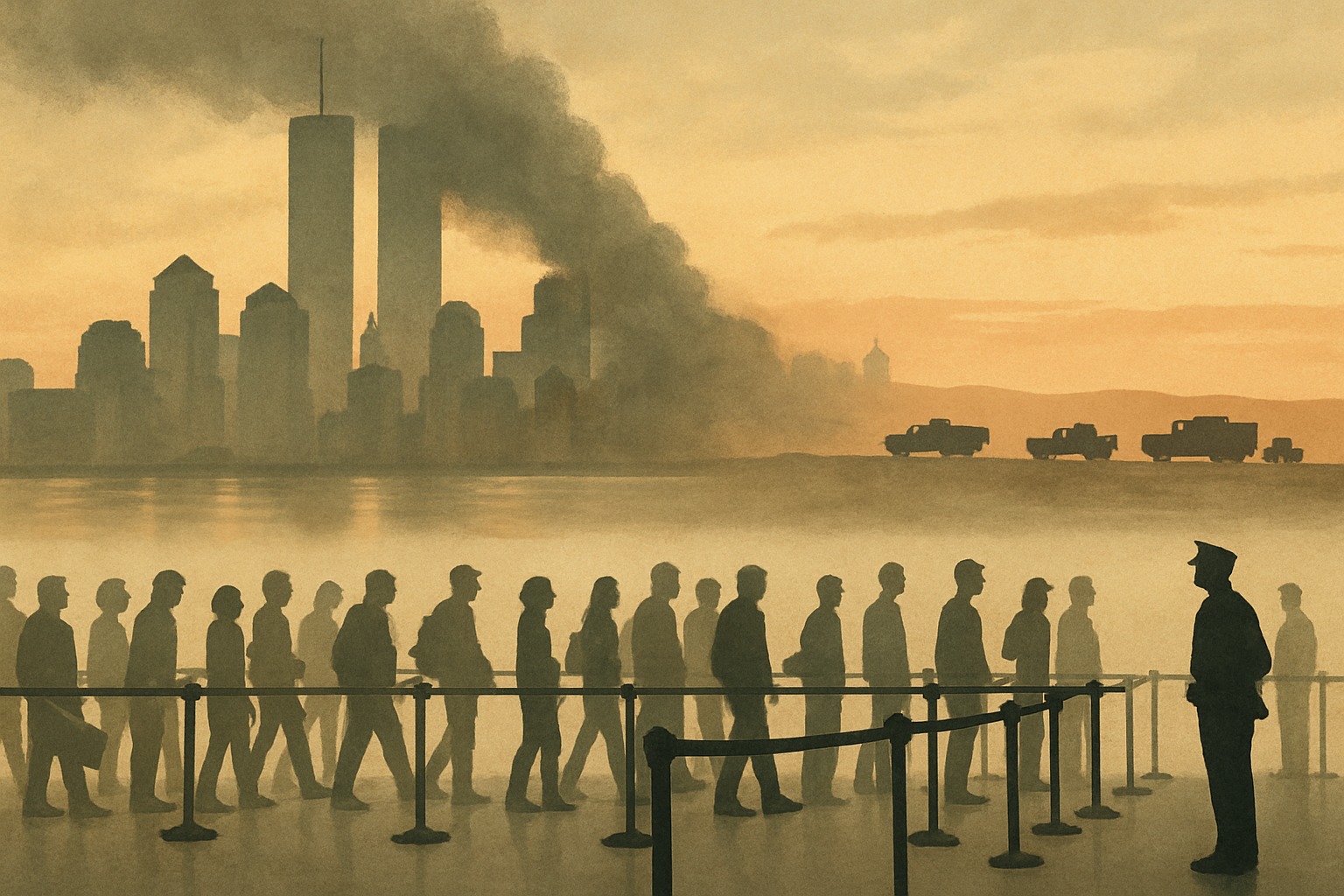
The attacks of September 11, 2001 exposed a government whose security responsibilities were scattered across dozens of agencies that did not share information and answered to no common chain of command. The Bush administration first created a White House coordinating office, then, under pressure from Congress, accepted a full cabinet department. The Homeland Security Act became law in November 2002, and the Department of Homeland Security opened on March 1, 2003, with Tom Ridge, the former governor of Pennsylvania, as its first secretary.
Twenty-two existing agencies were folded into the new department — the largest reorganization of the federal government since the National Security Act of 1947 created the Defense Department and the CIA. The Coast Guard, the Secret Service, and the Customs Service moved in, along with the functions of the old Immigration and Naturalization Service, which were split into Customs and Border Protection, Immigration and Customs Enforcement, and Citizenship and Immigration Services. The newly created Transportation Security Administration took over airport screening. The Federal Emergency Management Agency lost its independent cabinet-level standing.
The merger proved harder than the legislation. The components brought incompatible computer systems, rival cultures, and separate congressional patrons, and the department answered to more than eighty committees and subcommittees at once. Its early public face was a color-coded terrorism advisory system widely mocked and eventually scrapped. Its first great test was not terrorism at all. When Hurricane Katrina struck the Gulf Coast in 2005, FEMA's response failed badly, and critics argued that burying disaster relief inside a counterterrorism department had cost the agency both its focus and its direct line to the president.
The department grew into one of the largest employers in the federal government, with roughly 240,000 workers and a mission that kept widening — cybersecurity, election infrastructure, disaster relief, and above all immigration enforcement, which came to dominate its budget and its public identity. Supporters point to two decades without a mass-casualty foreign attack on American soil. Critics answer that the department drifted into a sprawling agency defined less by the threat that created it than by the border politics that followed.





| Created | Homeland Security Act, signed November 25, 2002 |
| Opened | March 1, 2003 |
| First secretary | Tom Ridge of Pennsylvania |
| Scale | 22 agencies merged, about 240,000 employees |
| Components | TSA, FEMA, CBP, ICE, Secret Service, Coast Guard |
| Early failure | The federal response to Hurricane Katrina, 2005 |
| Date | Established 2002 |
| Location | Washington, D.C. |