The Bell System (AT&T)
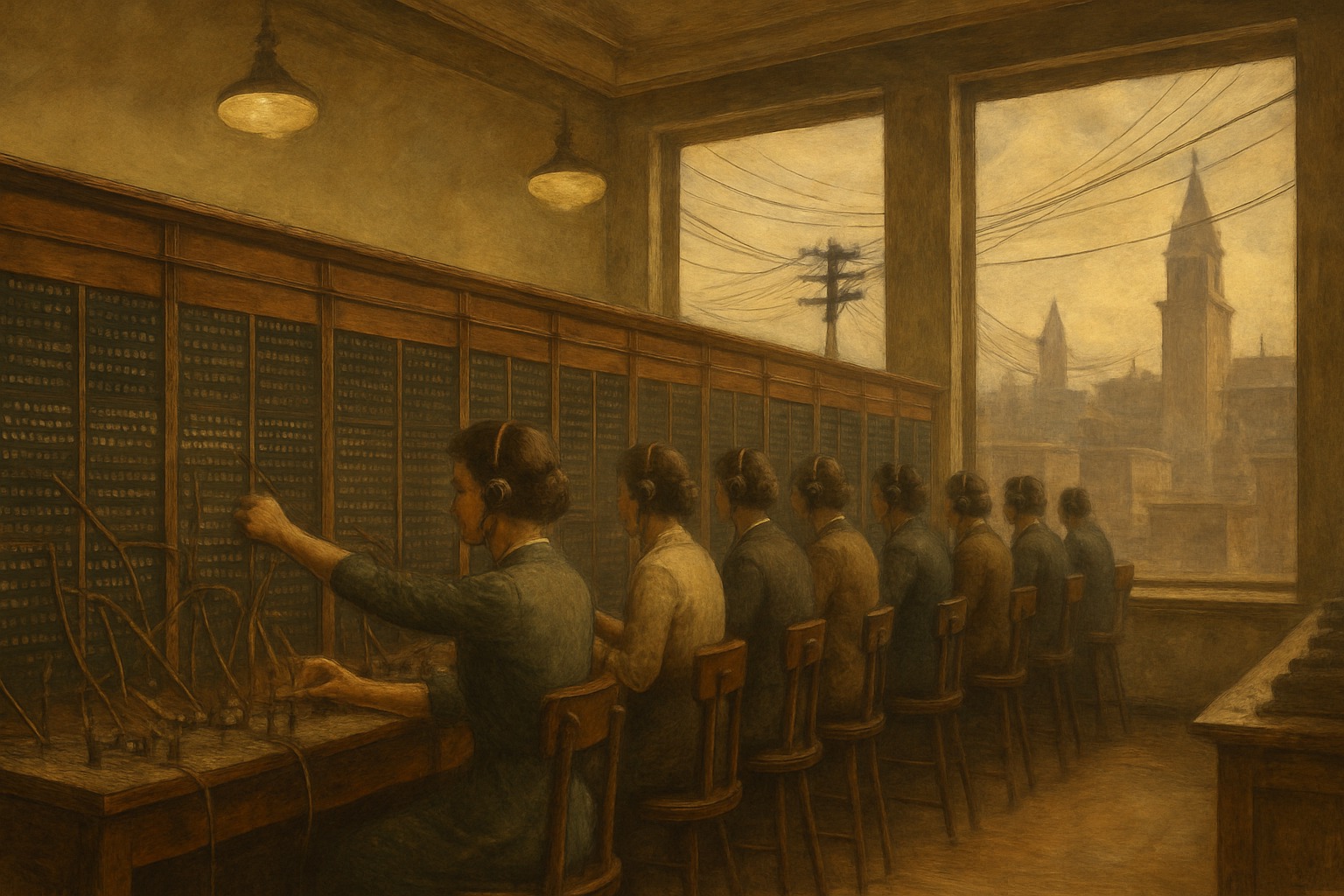
From Alexander Graham Bell's 1876 patent grew the largest corporation the world had ever seen. The company organized to exploit that patent became the American Telephone and Telegraph Company, and the sprawling network of regional operating companies, long-distance lines, and equipment factories it controlled came to be known as the Bell System. For most of the twentieth century a single enterprise, nicknamed Ma Bell, owned very nearly the entire telephone business of the United States.
The Bell System was a monopoly by design, tolerated by the government in exchange for a promise of universal service — a telephone within reach of every American at a regulated price. That bargain built the most extensive and reliable communications network on earth. Its research arm, Bell Laboratories, became the most productive industrial laboratory in history, giving the world the transistor, the laser, the solar cell, information theory, and the Unix operating system, an output that reshaped modern life far beyond the telephone.
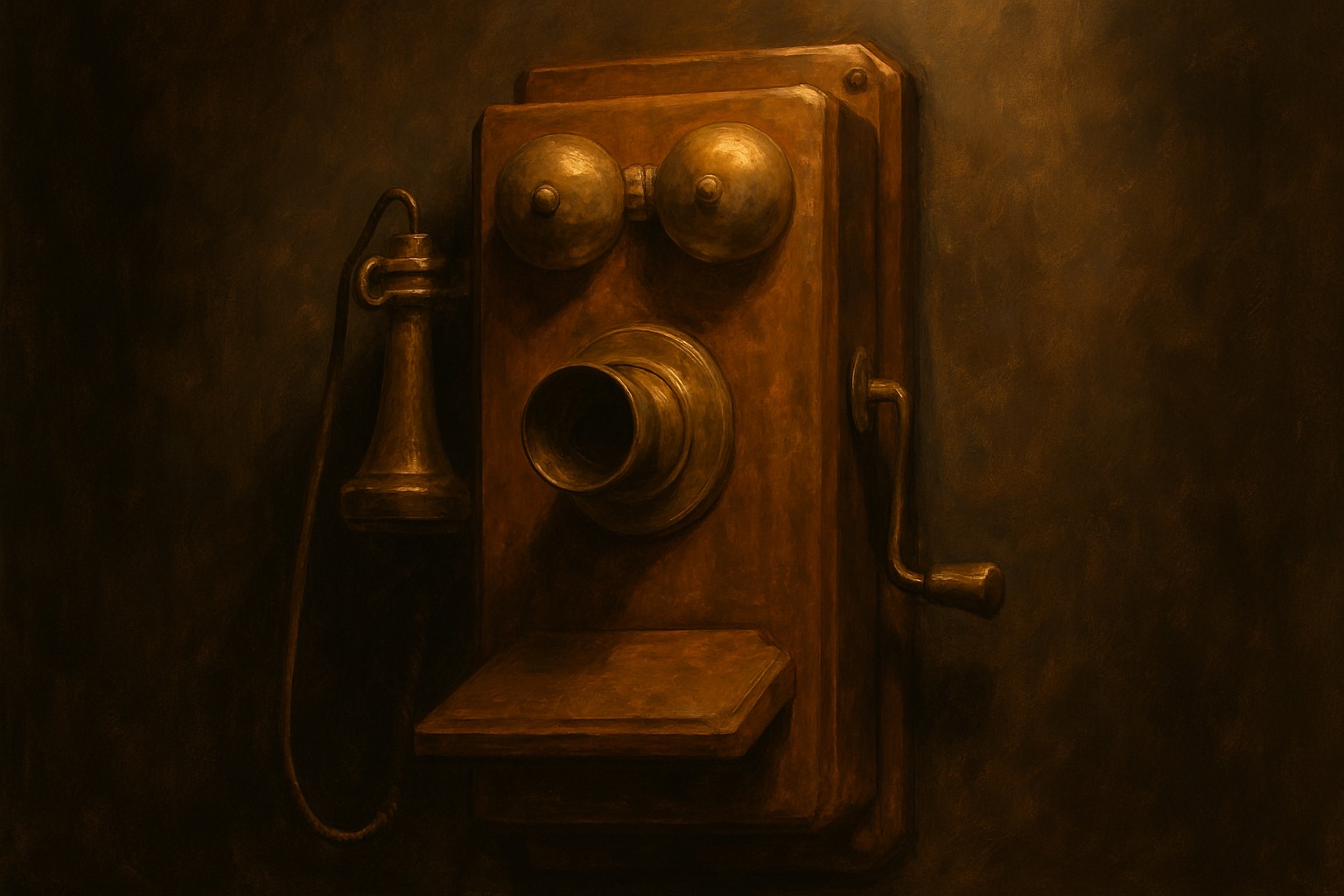
For decades the system seemed a permanent feature of American life, its black rotary phones and its operators as familiar as the mail. At its peak AT&T was among the largest companies in the world and employed close to a million people, a private enterprise so vast and so essential that it functioned almost as a public utility. To place a call anywhere in the country was to use its wires.
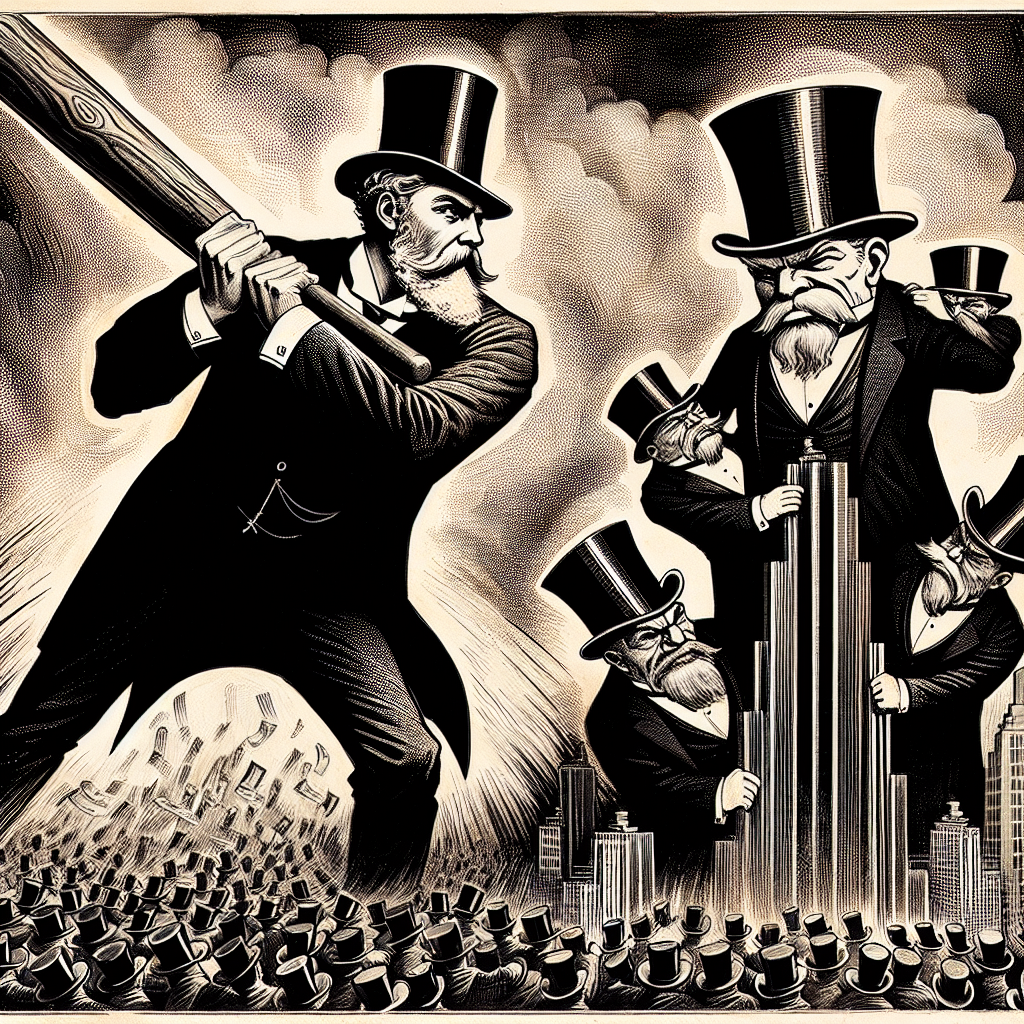
That dominance finally ran afoul of antitrust law. In 1984, under a landmark settlement, the government broke the Bell System apart, splitting off the regional operating companies — the so-called Baby Bells — from AT&T. The breakup ended the era of the telephone monopoly and opened the way to the competitive, fast-changing telecommunications industry that followed. The wires remain, but the single company that once owned them all is gone.
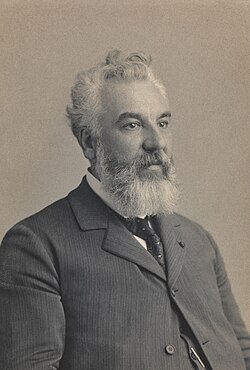
| Origin | Alexander Graham Bell's telephone patent (1876) |
| Company | American Telephone and Telegraph (AT&T) |
| Nickname | "Ma Bell" |
| Research arm | Bell Labs — transistor, laser, Unix |
| Model | Regulated monopoly / universal service |
| Broken up | 1984 (antitrust), into the "Baby Bells" |
| Date | 1877–1984 |
| Location | New York City |