Sports That Changed America: Barriers, Icons, and the Cold War on Ice

American sports history is more than scores and records. Again and again, the country's biggest arguments — about who belonged, who could compete, and what the nation stood for — were staged on fields, in rings, and on ice, in front of audiences no speech could reach. This guide gathers the milestones where sport and history collided.
It follows four threads: the breaking of the color line, the athletes who became cultural icons, the fight for equality in women's sport, and the Cold War contest carried onto the ice. Each entry links to a full account.
Start here for the larger story - how sport became a stage for the country's deepest arguments about race, equality, and national pride. The sections that follow trace it in order.

Sport was often where segregation broke first. These figures crossed color lines that the rest of society still enforced, and in doing so forced the country to watch.
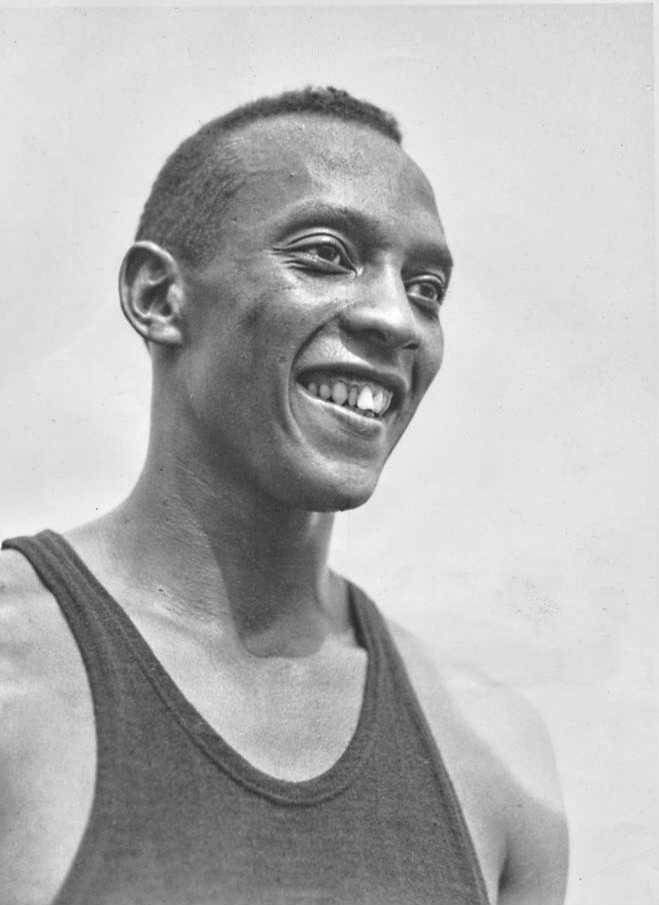
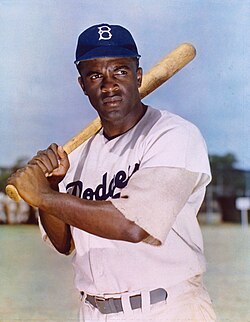
Some athletes were not content to win. These were the champions who used their fame to take stands - on race, on war, on conscience - and paid for it as often as they were celebrated.
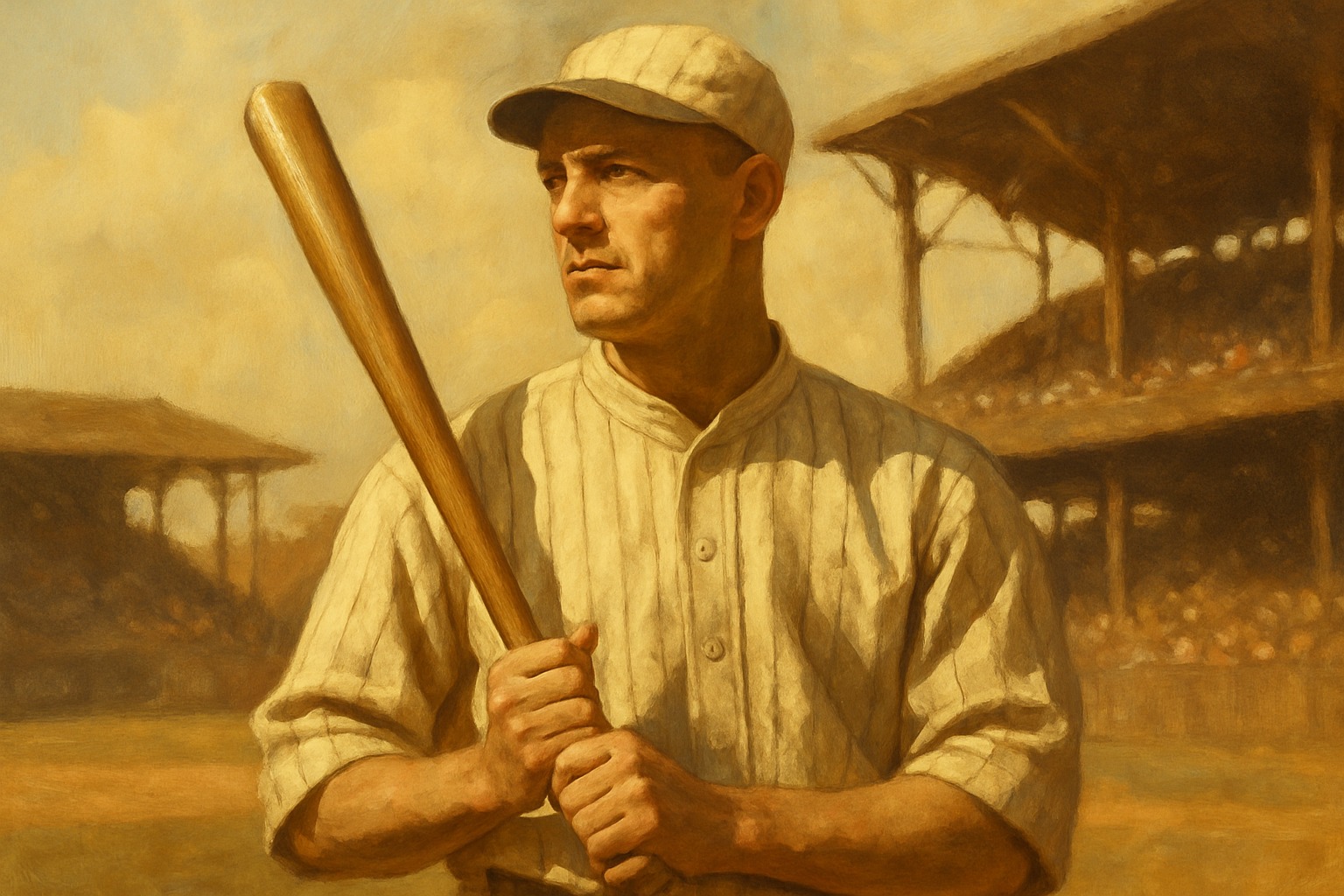
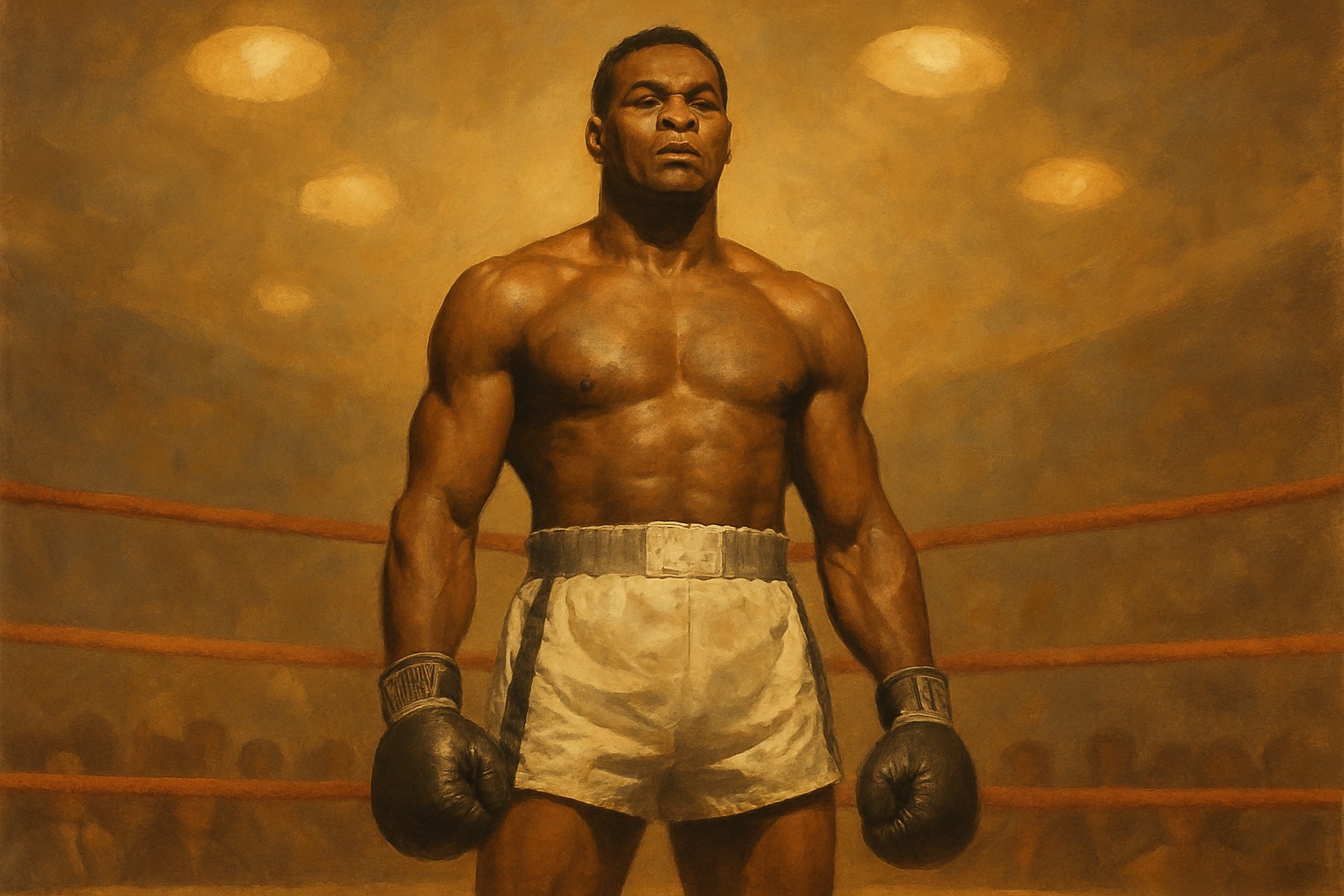
The fight for equality reached the playing field too. These entries cover the law and the contests that opened sport to women and made the field itself a battleground for fairness.

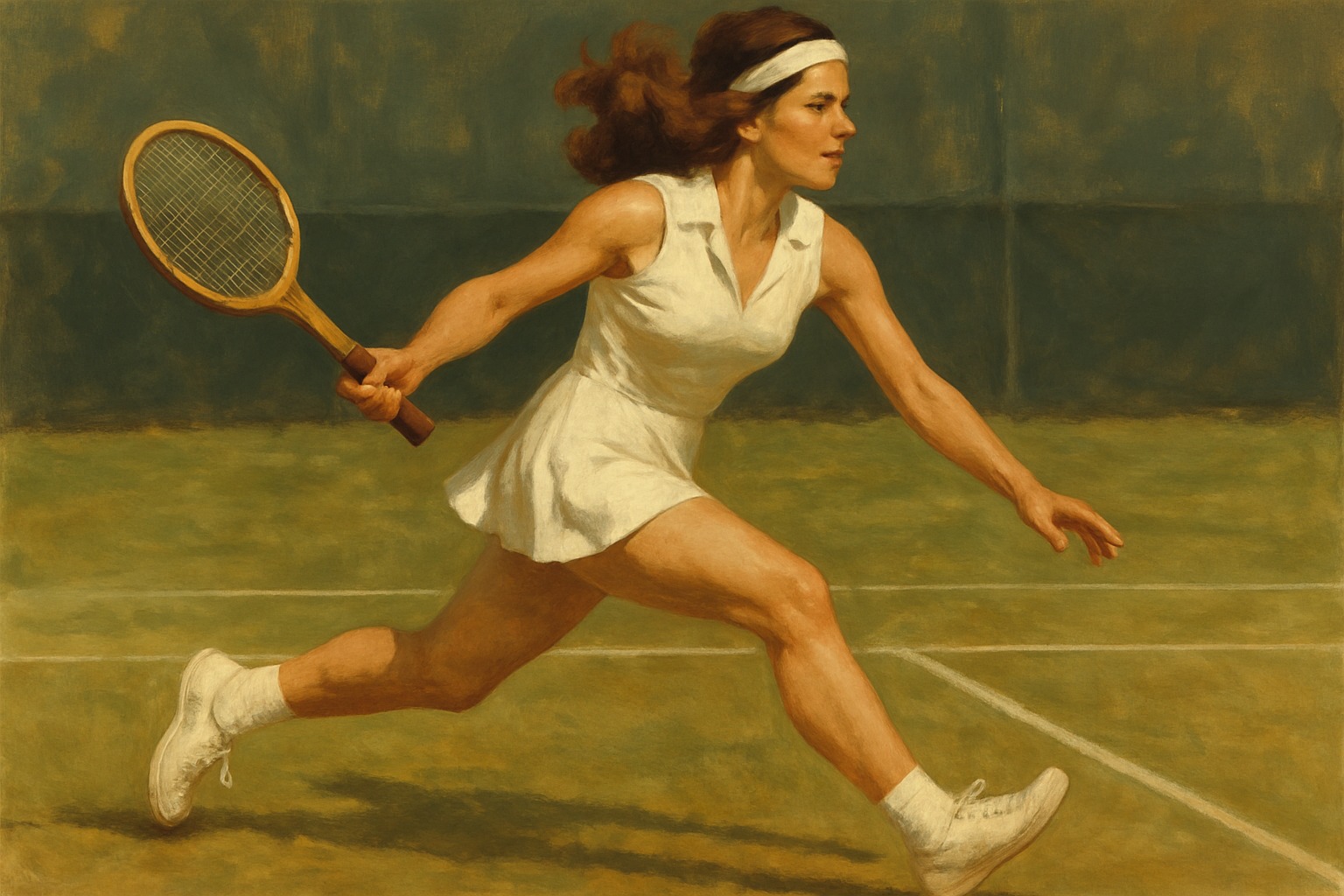
Sometimes a game stood in for a war. In the rivalry with the Soviet Union, even the ice became a Cold War arena - a contest where an upset could carry the weight of a nation.

These stories run alongside the larger movements they touched — the civil rights movement and the Cold War rivalry with the Soviet Union.