The Presidential Libraries, Explained
Scattered across the country, from a fieldstone house in the Hudson Valley to a glass tower over the Arkansas River, stand the presidential libraries — part national archive, part museum, each devoted to a single president. The system began as one man's idea: Franklin D. Roosevelt's conviction that a president's papers belong to the people. Today thirteen federal libraries hold the records of presidents from Herbert Hoover to George W. Bush, and a fourteenth model has just arrived in Chicago.
This guide explains how the institution was invented, walks through the thirteen libraries the National Archives runs, and examines the Obama Presidential Center, which broke with the federal model entirely. Each entry links to a fuller account of the library, its architecture, and the presidency it preserves.
The presidential library was an improvisation that became an institution. Franklin D. Roosevelt built the first at Hyde Park in 1941 and handed it to the government; Congress made the practice permanent with the Presidential Libraries Act of 1955. The four earliest libraries — Roosevelt's, and those of Hoover, Truman, and Eisenhower — established the pattern of an archive paired with a museum, usually planted in the president's home ground. These entries cover the founding generation.
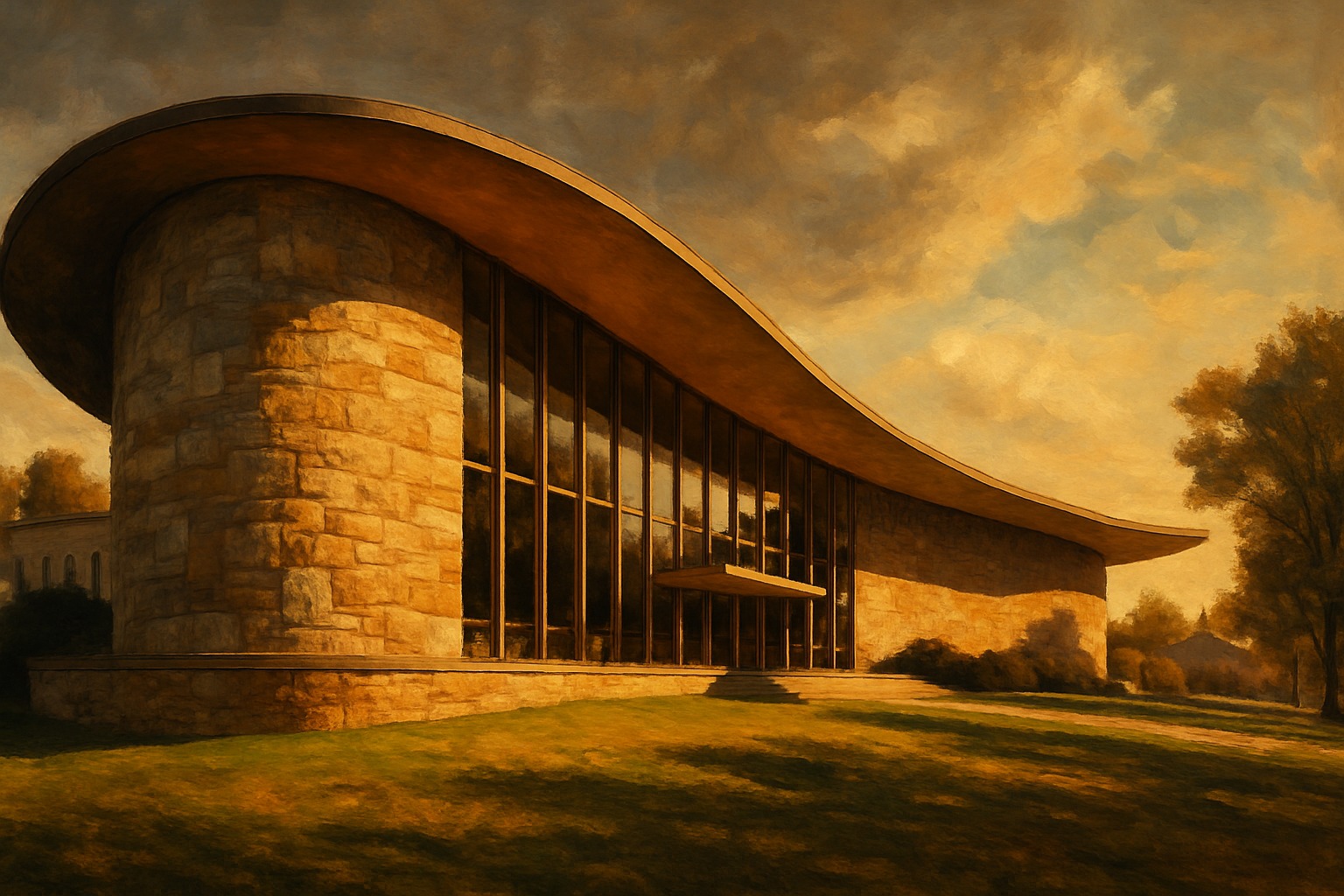
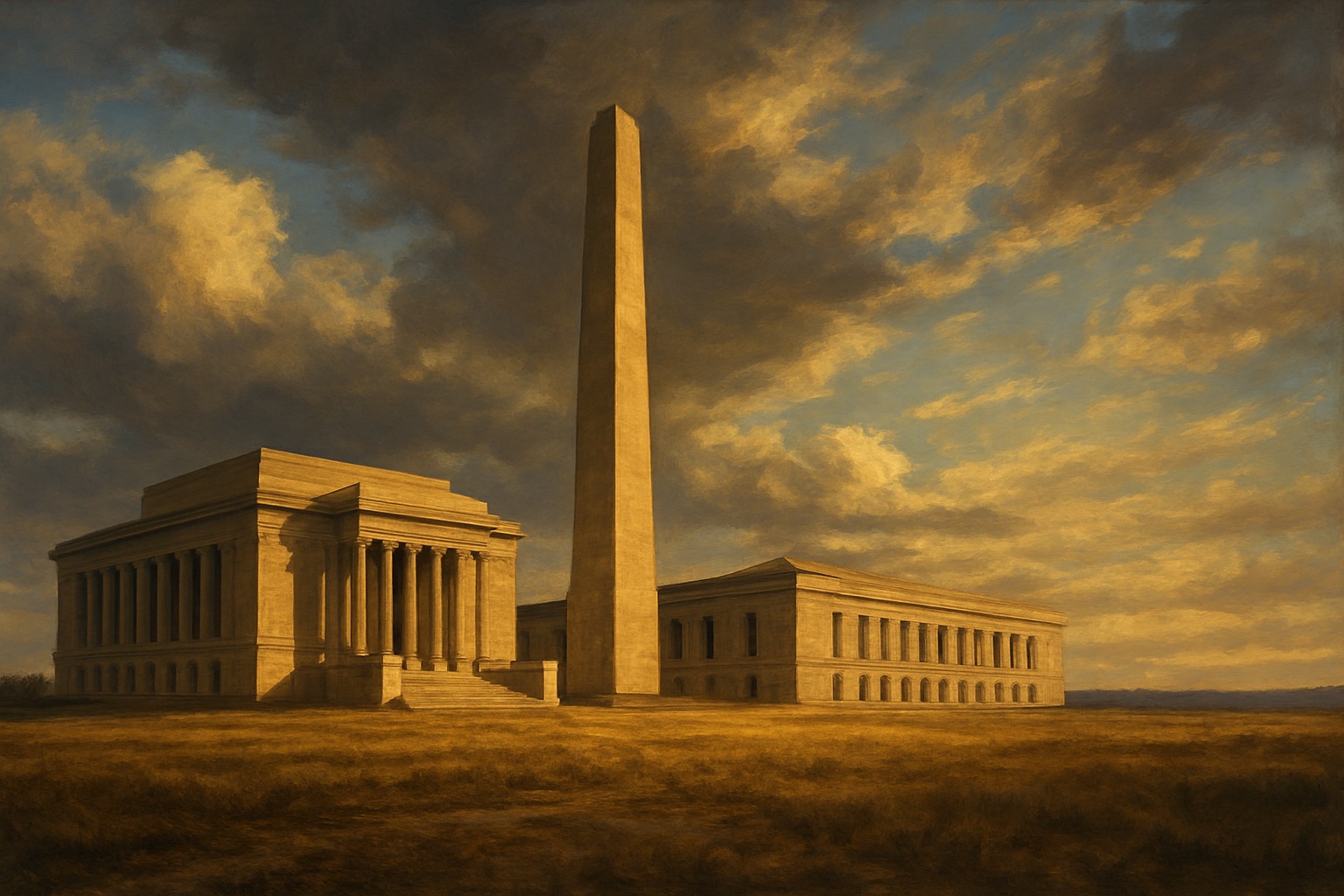
By the 1970s the libraries had grown larger, more architecturally ambitious, and more openly shaped by the presidents they honored. From I. M. Pei's soaring Kennedy library to the Nixon library's fraught passage from private shrine to federal archive, this era tested the promise that a museum funded by a president's admirers could still keep an honest record. These entries cover the libraries of Kennedy through Carter.
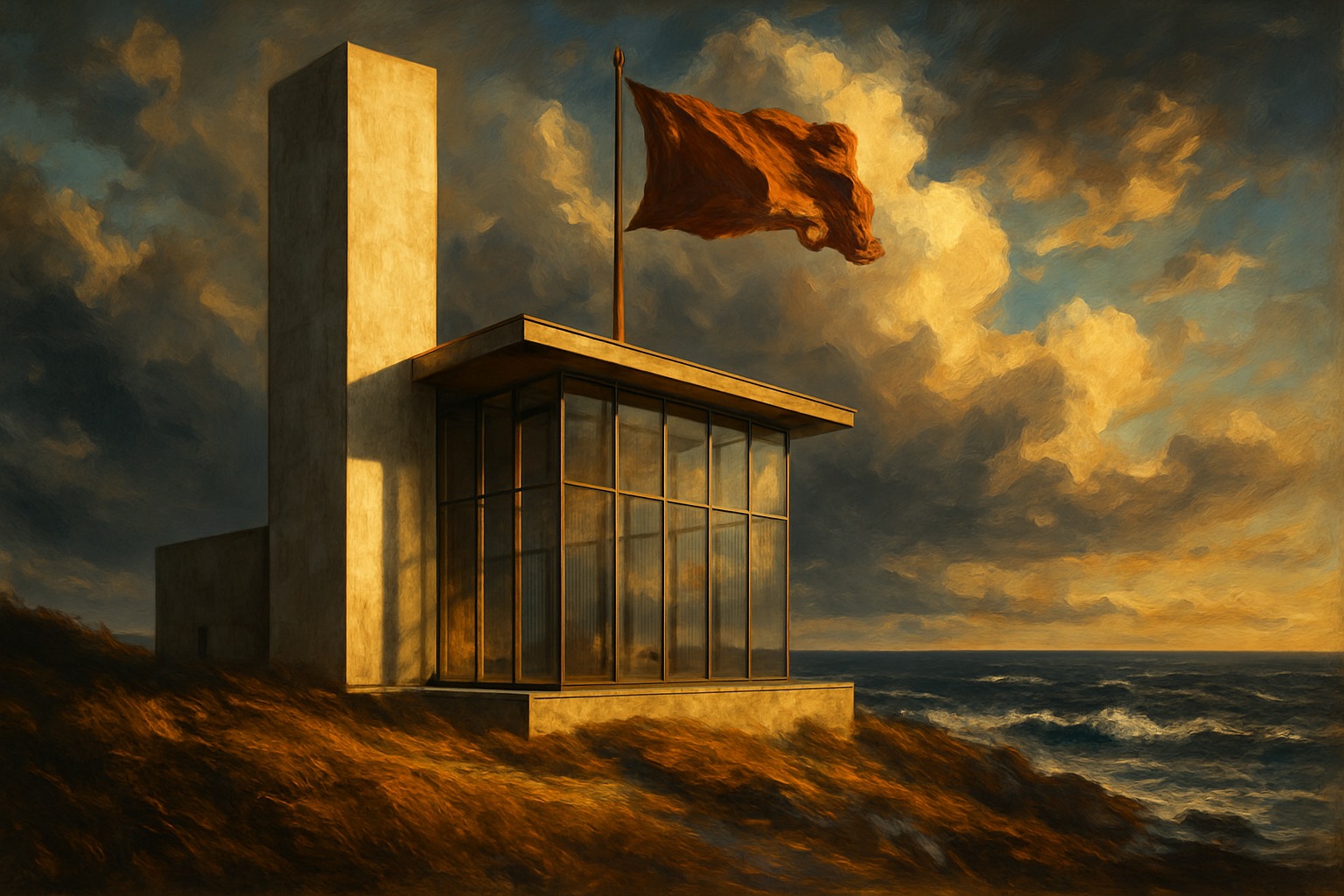
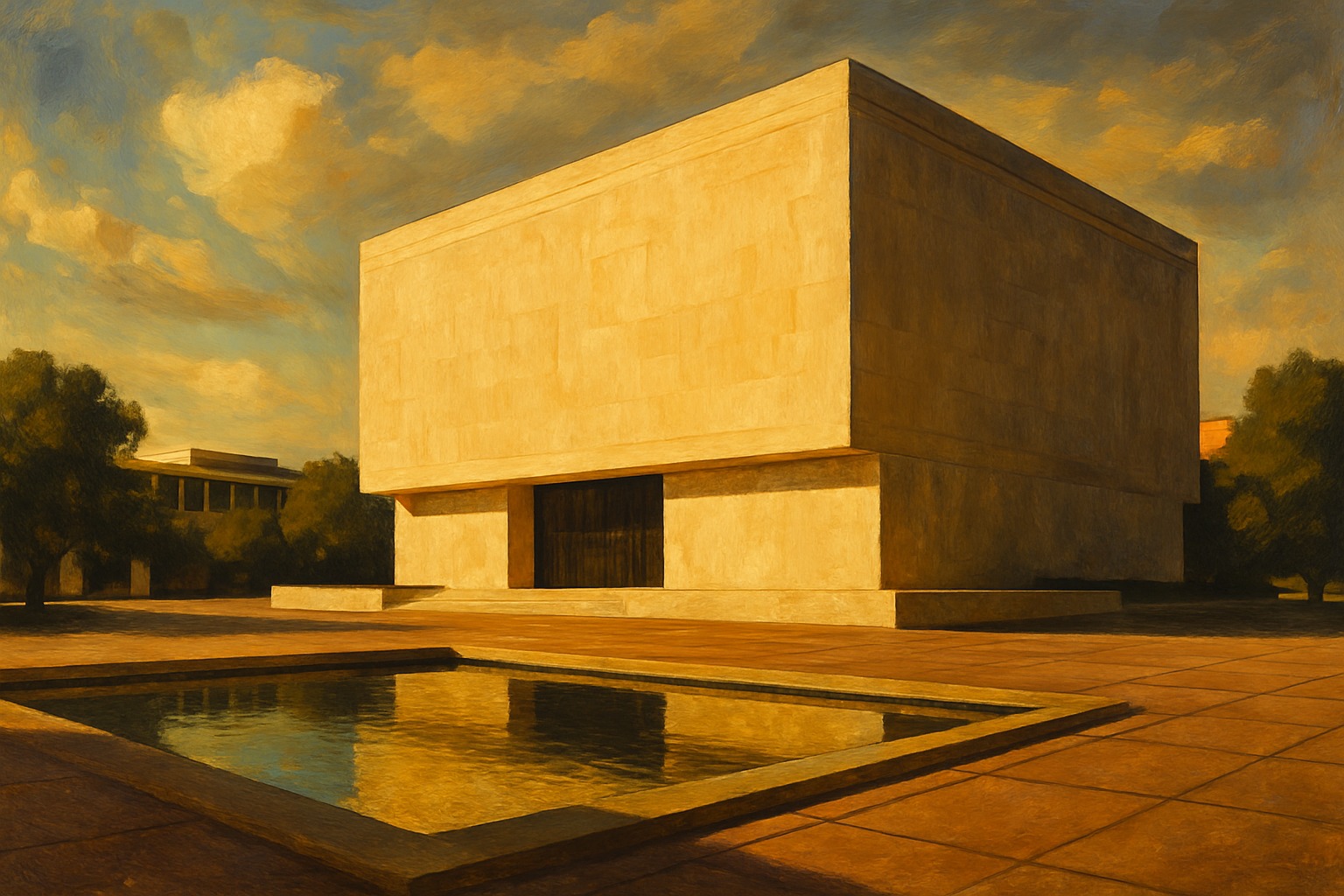
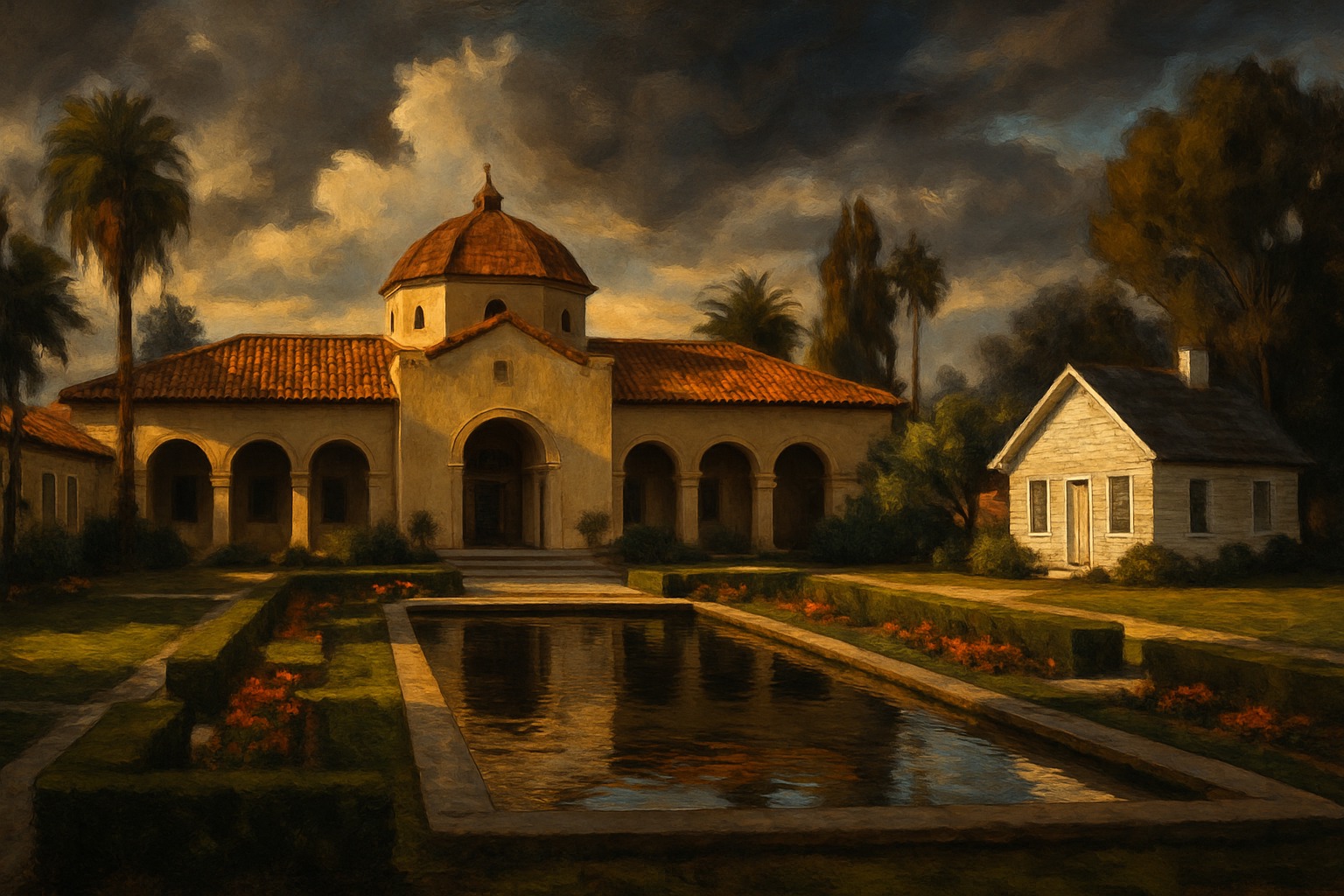
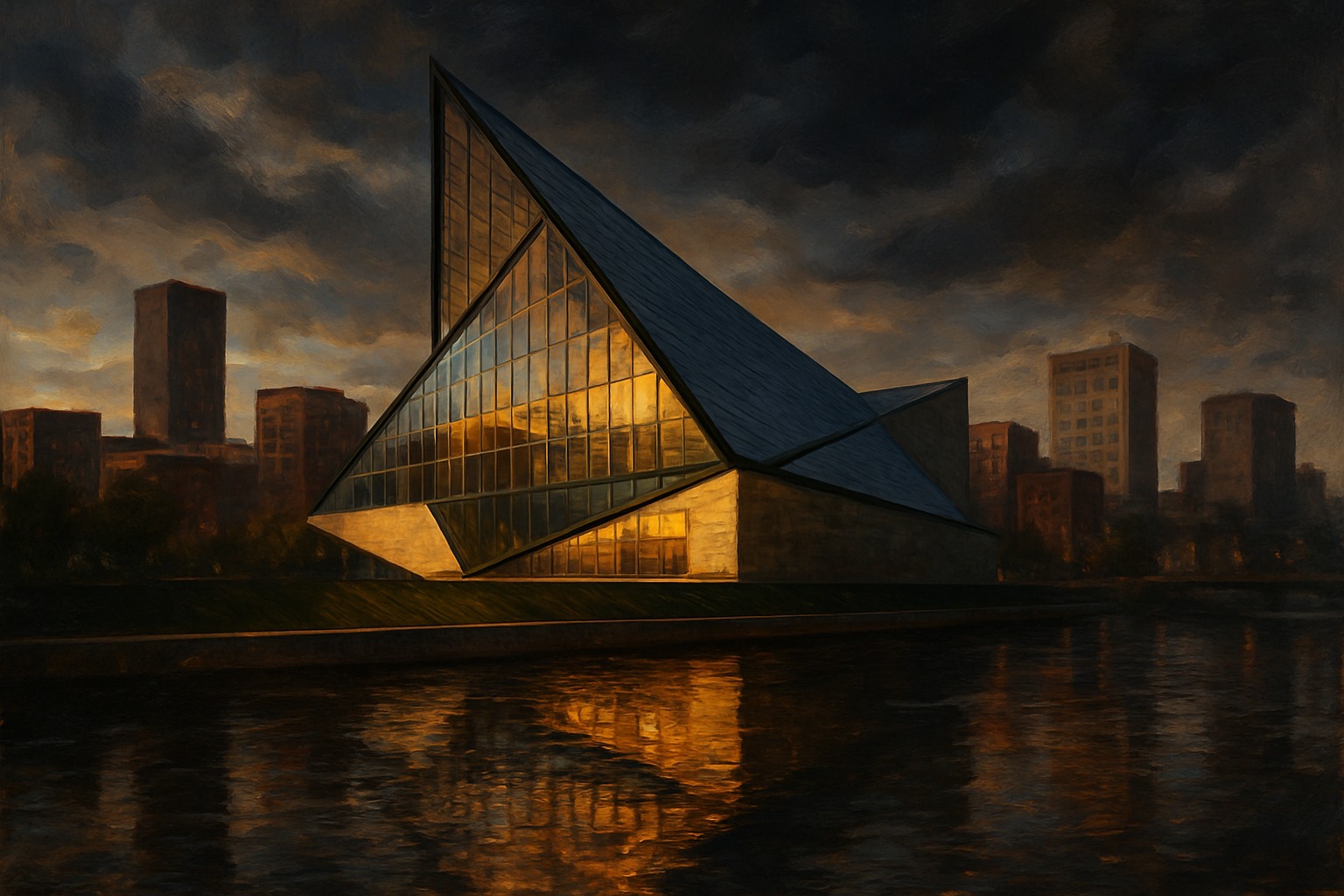
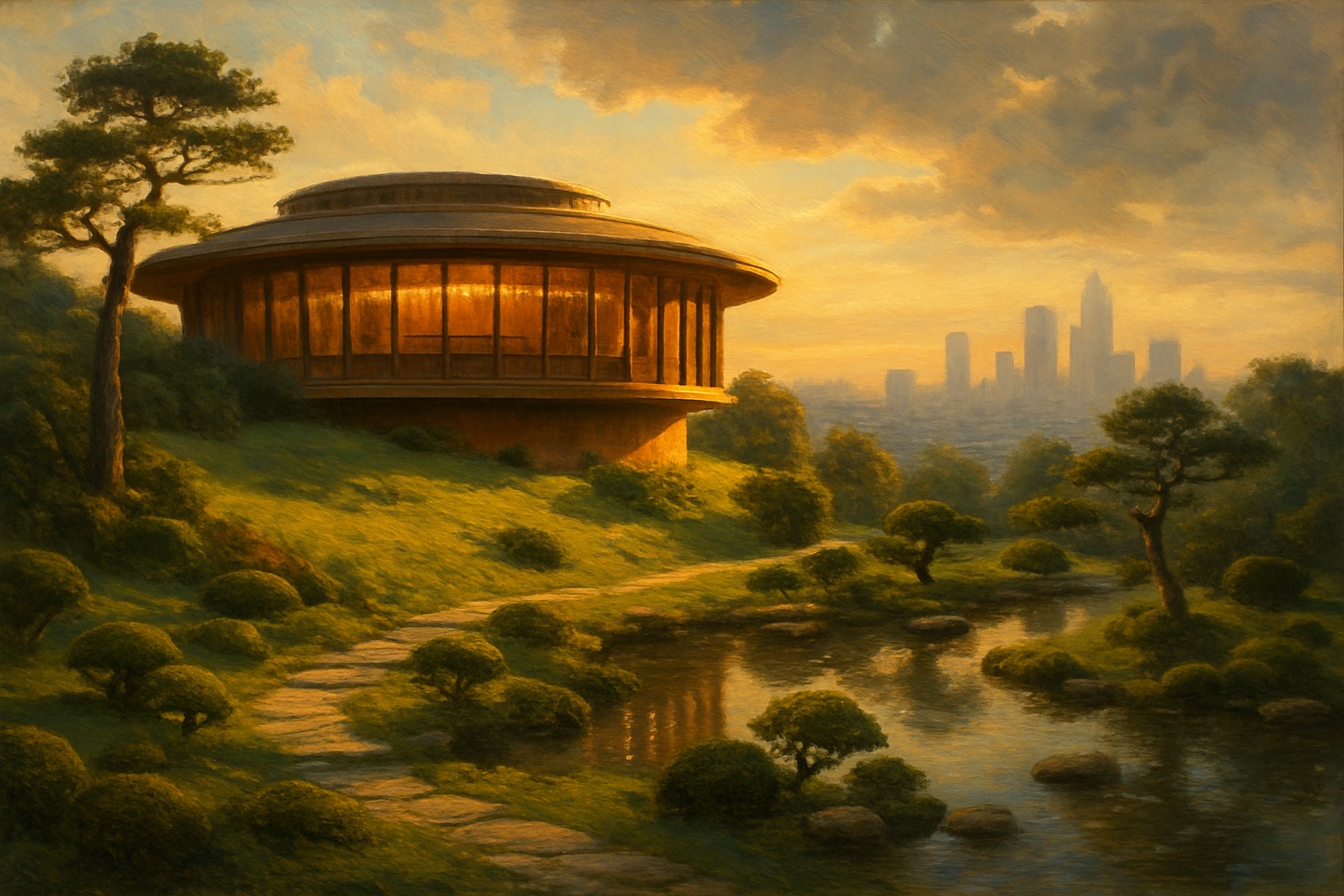
The most recent federal libraries are sprawling complexes that fuse archive, museum, and active policy institute — and compete for visitors with star attractions, none bigger than the retired Air Force One at the Reagan library. They also document the events that defined the turn of the century, from the end of the Cold War to the attacks of September 11. These entries cover the libraries of Reagan through George W. Bush.
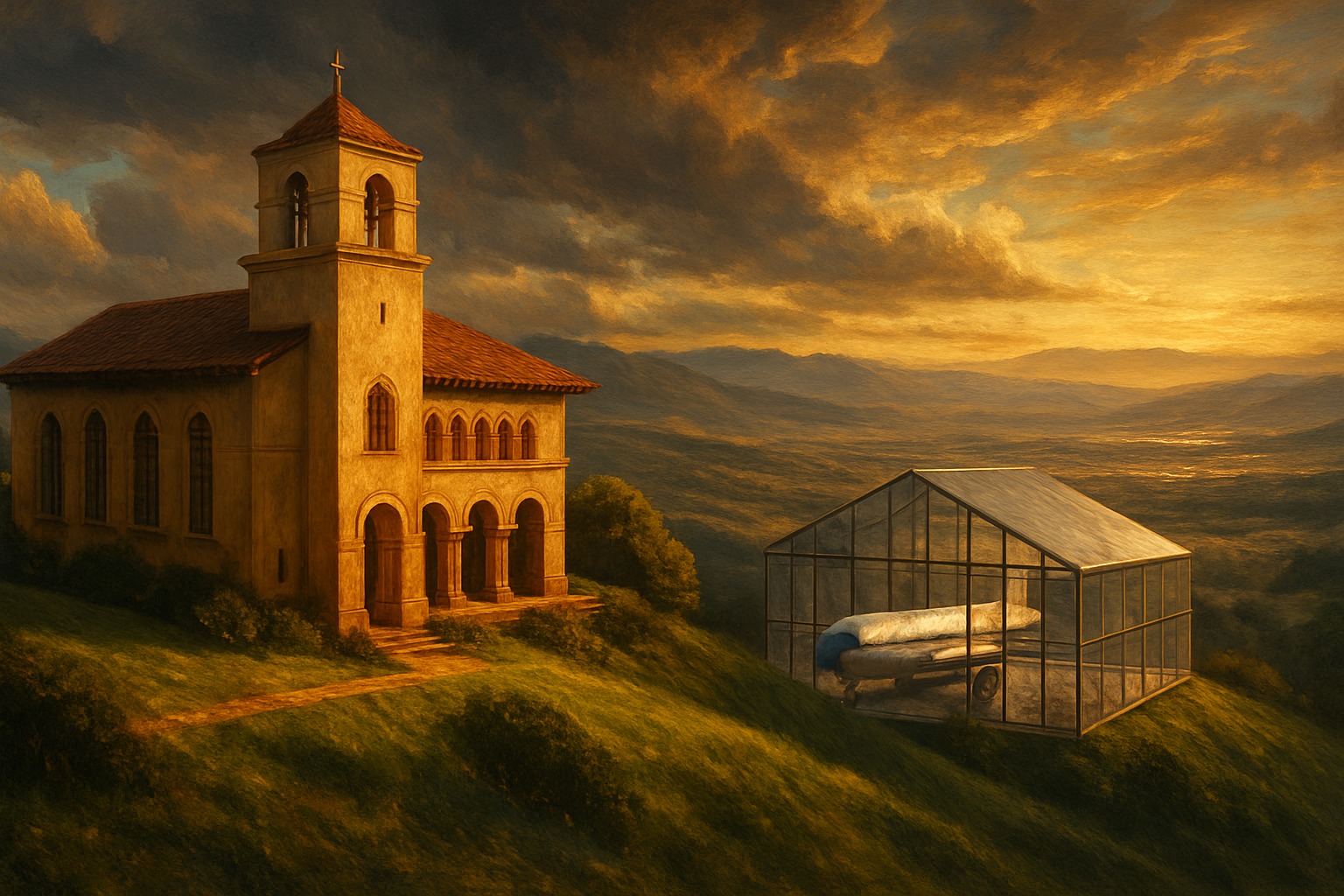
Then the model itself changed. Barack Obama declined to build a federal library at all, digitizing his records and creating a privately run center in Chicago instead. Hailed by some as a more accessible future and faulted by others as a retreat from accountable archives, the Obama Presidential Center may be the first example of what comes after the institution FDR invented. This entry covers that break.
The libraries are governed by laws written in the wake of scandal — Watergate led to the Presidential Records Act of 1978, which made these records public property. Read more in the guide to the U.S. presidents and the founding documents.