Richard Nixon Presidential Library
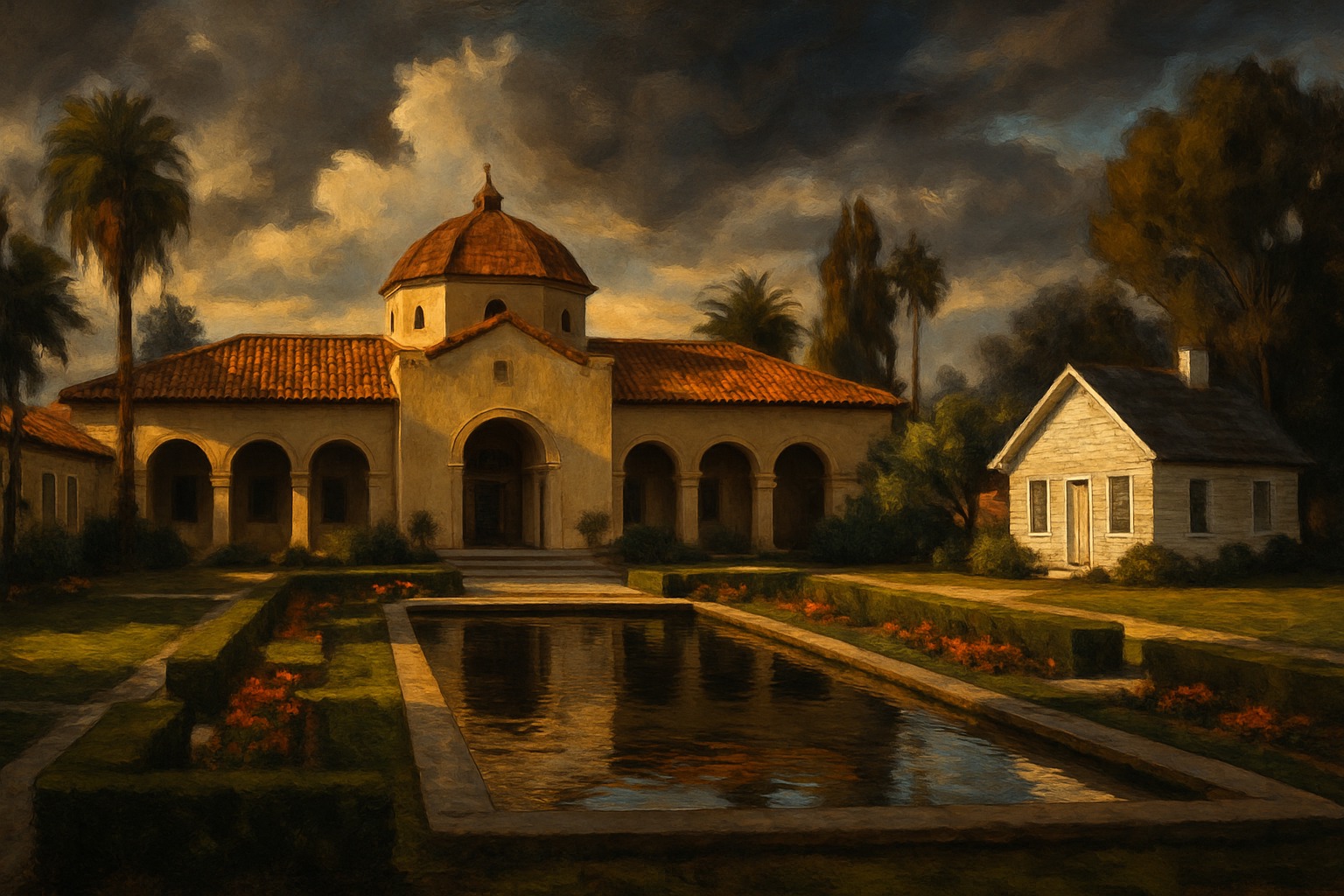
Richard Nixon's library stands in Yorba Linda, California, on the grounds where he was born in a small house his father built and where he and his wife, Pat, are buried. It followed an unusual path. Because Nixon resigned in disgrace and his records were seized by the government after Watergate, the library opened in 1990 as a wholly private institution, outside the federal system, and for years held no official papers at all.
That changed in 2007, when the National Archives took the library over and it became the twelfth federal presidential library, finally housing the Watergate tapes and documents that had been held in Washington. The transition forced a reckoning. The library's original, privately produced Watergate exhibit had been widely criticized as a defense of Nixon; under federal control it was replaced with a more candid account of the scandal that ended his presidency.
Beyond Watergate, the collections document a consequential foreign-policy presidency: the opening to China, détente with the Soviet Union, and the long, bitter end of the Vietnam War. The museum also preserves the birthplace house and a Sea King helicopter used as Marine One, including on the day Nixon left the White House for the last time.
The Nixon library remains the clearest case of the tension built into the whole system — between a museum a president's loyalists want and the unflinching record a national archive is supposed to keep. Its evolution from private shrine to federal archive made that tension visible.
| Location | Yorba Linda, California |
| Opened | 1990 (private); federal in 2007 |
| Holdings | Watergate tapes, China opening, Vietnam |
| Setting | Nixon's birthplace and grave |
| Turning point | NARA revised the Watergate exhibit |
| Date | Opened 1990; federal since 2007 |
| Location | Yorba Linda, California |