Franklin D. Roosevelt Presidential Library
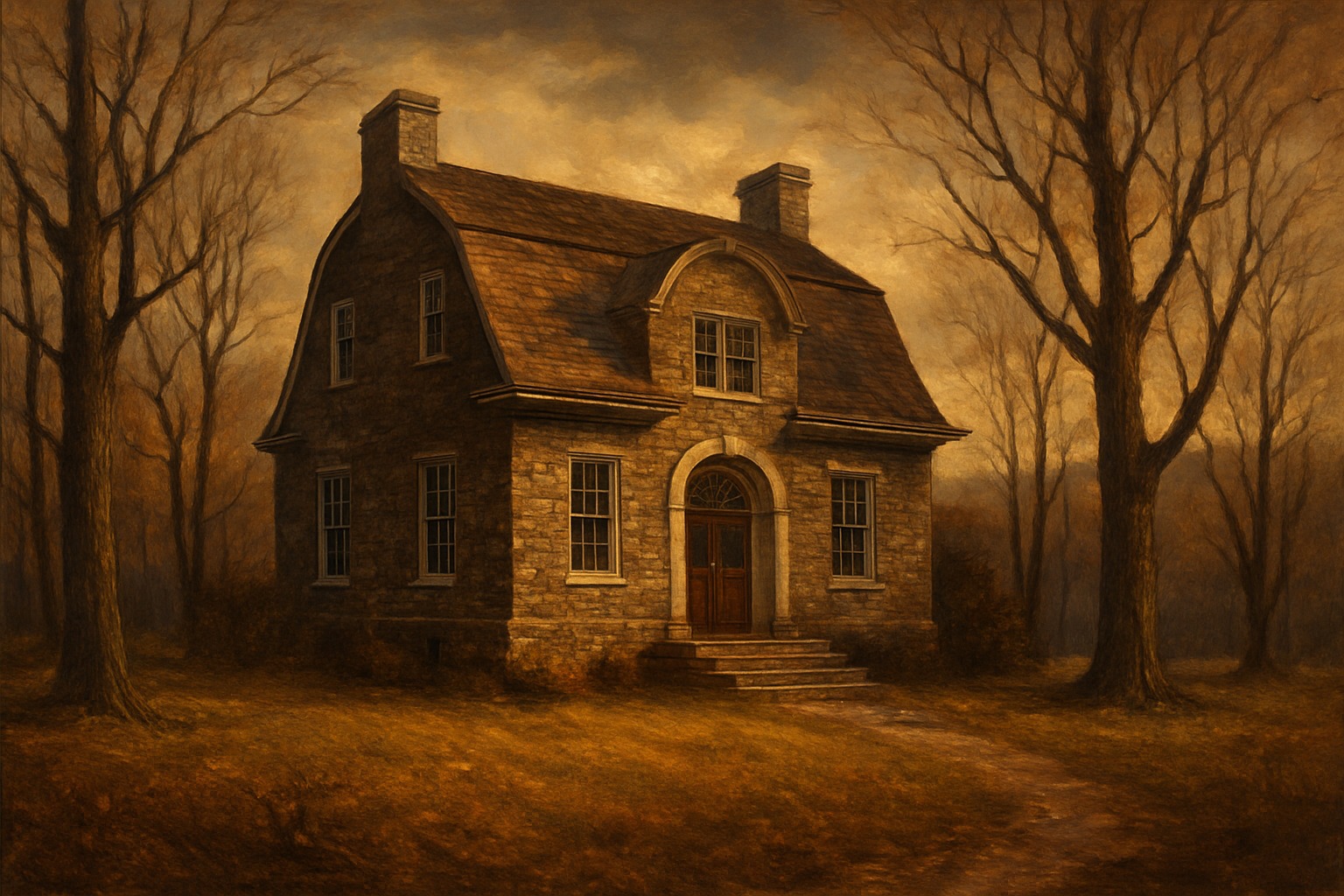
The first presidential library stands on the Roosevelt family estate at Hyde Park, in New York's Hudson Valley, on land Franklin D. Roosevelt knew all his life. Roosevelt sketched the fieldstone building himself in a Dutch Colonial style, raised private funds to build it, and dedicated it in 1941 while still in office — the only sitting president ever to open his own library. He kept a study there and worked in it during the war, a few steps from the records of his presidency.
Roosevelt's motive was preservation. He believed the papers of a presidency belonged to the people and should be kept whole and open to scholars, rather than dispersed as the private property of the president, as every predecessor's had been. By donating his papers and the building to the federal government, he created the template that the Presidential Libraries Act of 1955 would extend to all his successors.
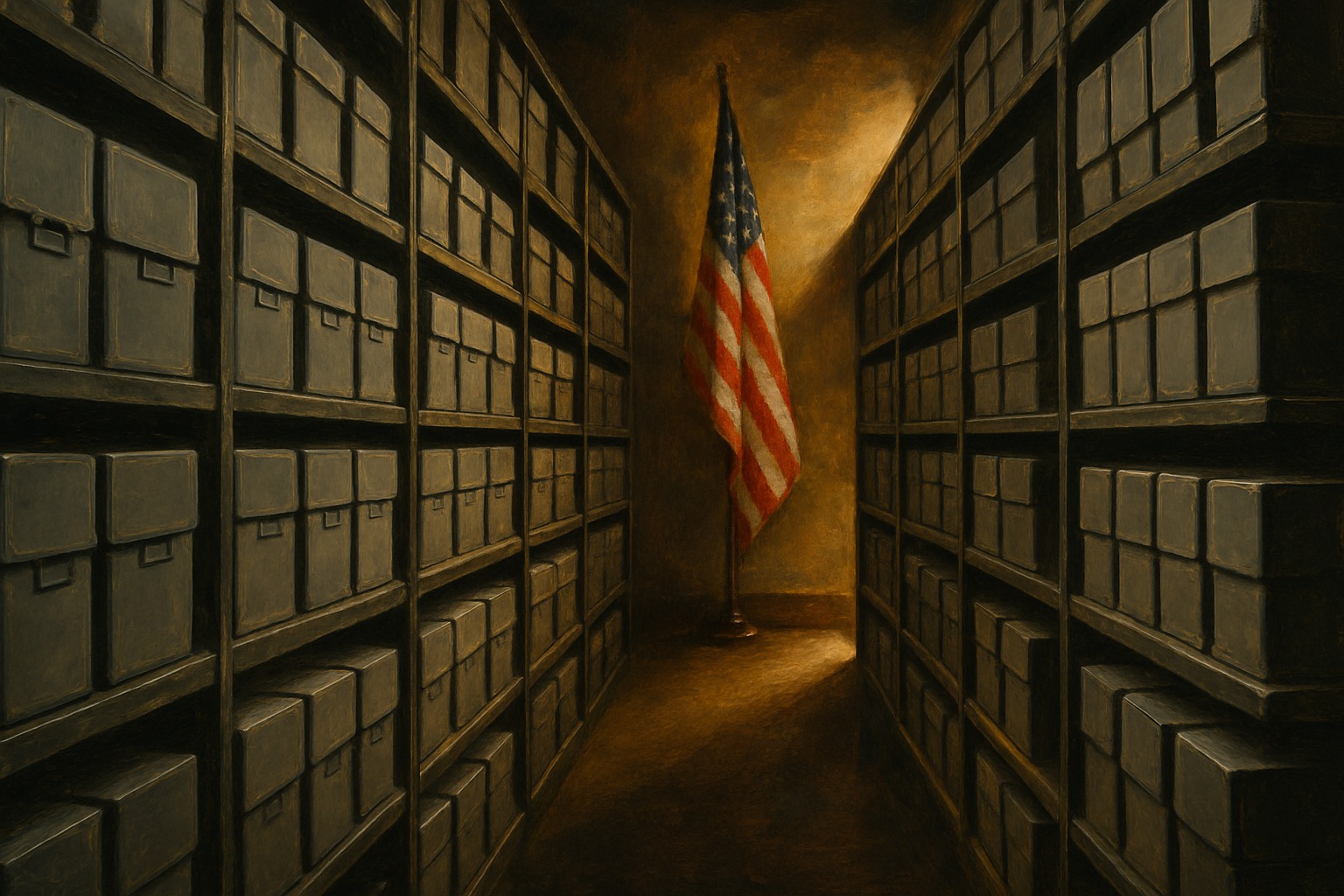
The library holds the records of the New Deal and the Second World War, the two upheavals that defined his four terms, along with the papers of Eleanor Roosevelt, gathered in their own wing. Its galleries trace the Great Depression, the alphabet agencies, and the wartime alliance, and the grounds include Springwood, the house where Roosevelt was born, and the graves of Franklin and Eleanor in the rose garden.
As the original, the Hyde Park library carries a weight the others do not: it is both an archive of the most consequential modern presidency and the founding example of the institution itself. Every presidential library that followed is, in a sense, a copy of the one Roosevelt drew on a sheet of paper and gave to the nation.
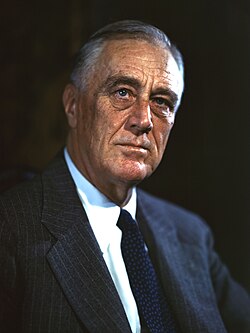
| Location | Hyde Park, New York |
| Dedicated | 1941, while FDR was in office |
| Distinction | The first presidential library |
| Designed by | Roosevelt himself, in fieldstone |
| Holdings | New Deal, WWII, and Eleanor Roosevelt papers |
| Date | Dedicated 1941 |
| Location | Hyde Park, New York |