Jimmy Carter Presidential Library

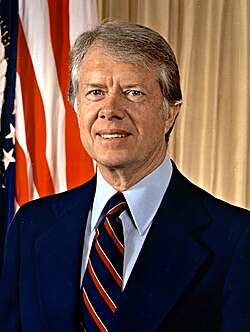
Jimmy Carter's presidential library opened in 1986 in Atlanta, set in landscaped grounds with Japanese gardens on a rise with a view of the city skyline. It shares its campus with the Carter Center, the nonprofit Carter founded to advance human rights, monitor elections, and fight disease abroad — an institution that came to define a post-presidency far longer and, by many accounts, more consequential than his single term.
The library's records cover the high points and hard lessons of his presidency: the Camp David Accords that made peace between Egypt and Israel, the Panama Canal treaties, the energy crisis, and the Iran hostage crisis that ran out the clock on his bid for reelection. A full-scale replica of the Oval Office sits at the center of the museum.
More than most presidential libraries, the Carter complex points outward and forward rather than only back at the years in office. The pairing with the Carter Center frames Carter's life as a continuous project of public service, with the White House as one chapter rather than the whole story. He and Rosalynn Carter remained closely associated with the work there for decades after he left Washington.
| Location | Atlanta, Georgia |
| Dedicated | 1986 |
| Paired with | The Carter Center |
| Holdings | Camp David Accords, Panama Canal, Iran hostages |
| Theme | A presidency framed by a long post-presidency |
| Date | Dedicated 1986 |
| Location | Atlanta, Georgia |