Death of Osama bin Laden
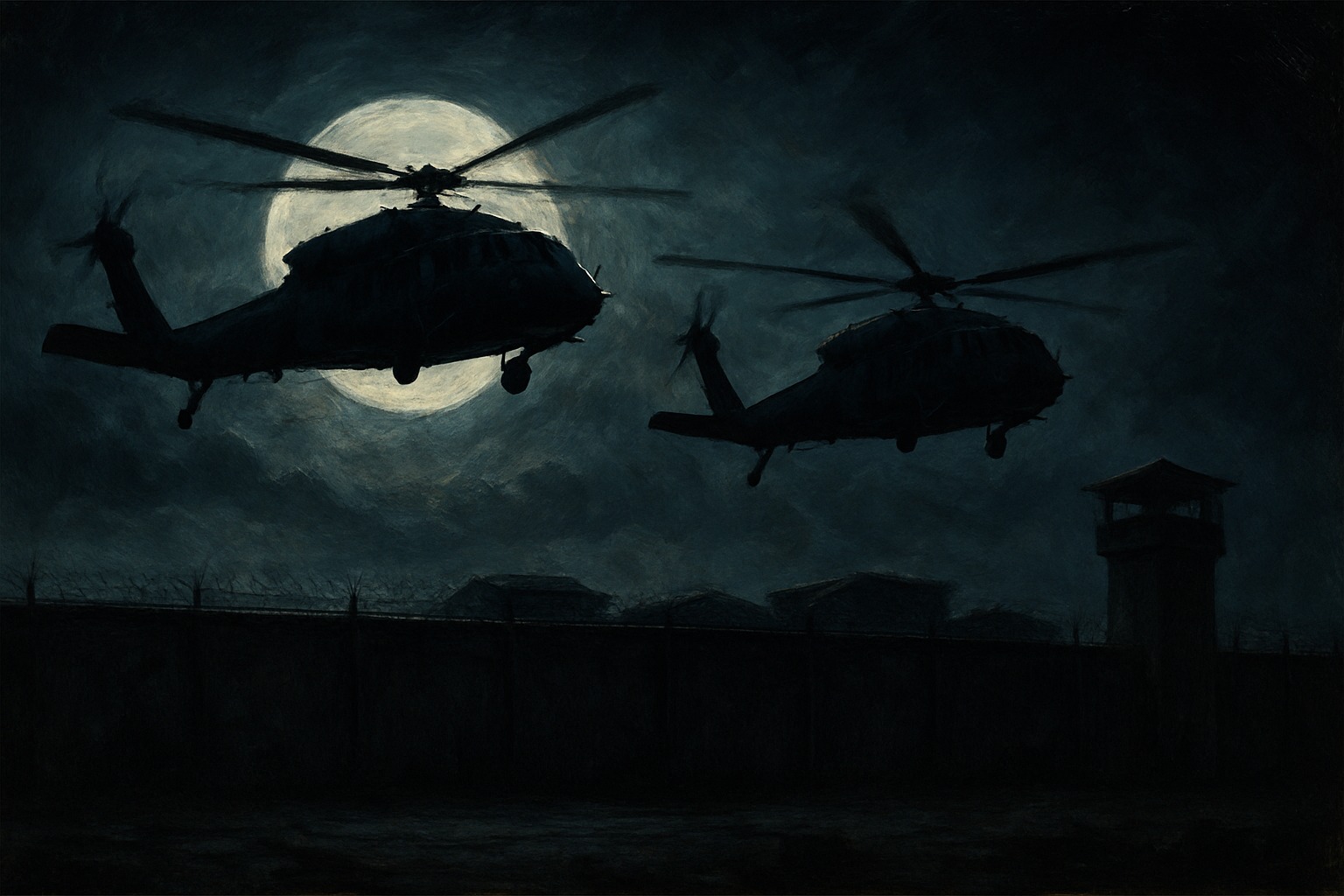
In the early hours of May 2, 2011, a team of U.S. Navy SEALs raided a walled compound in Abbottabad, Pakistan, and killed Osama bin Laden, the founder of al-Qaeda and the man responsible for the September 11 attacks. The operation ended the most intensive manhunt in American history, nearly ten years after the attacks that had reshaped the nation's foreign policy and sense of security.
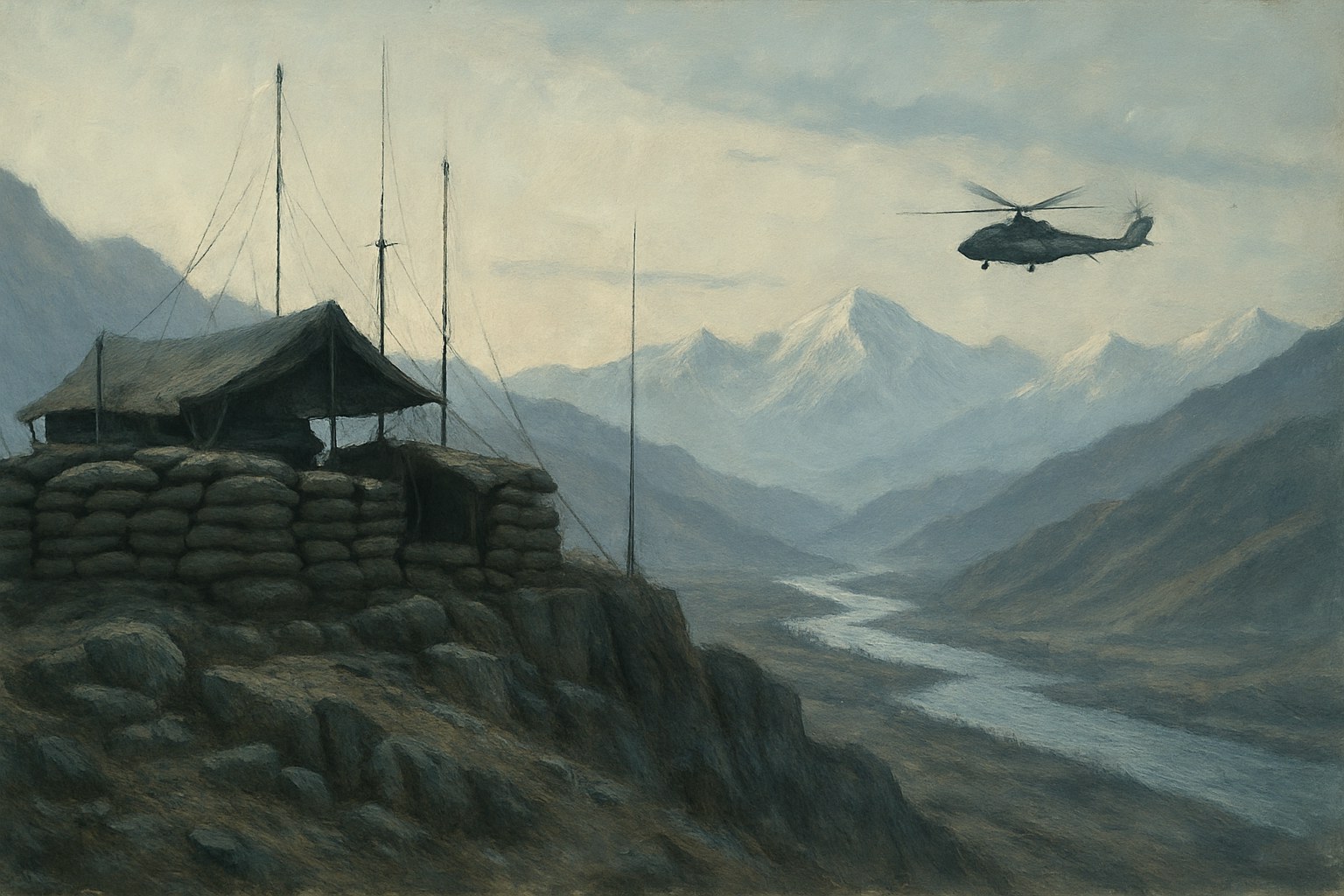
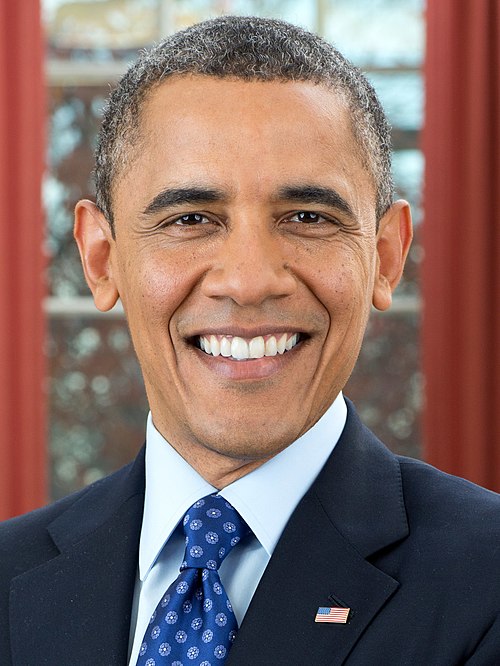
Bin Laden had eluded capture for years after escaping the U.S. assault on Afghanistan in late 2001. Intelligence analysts eventually traced one of his trusted couriers to the compound, an unusually large and secretive structure barely a mile from Pakistan's premier military academy — a proximity that strained already fraught U.S.-Pakistani relations. President Barack Obama authorized the high-risk raid without informing the Pakistani government in advance.
The mission itself lasted under forty minutes. One of the two helicopters was lost to a hard landing, but the team completed the operation and recovered a trove of intelligence before departing. Bin Laden's body was identified and, to deny followers a shrine and comply with the requirement for prompt burial, was buried at sea from a U.S. aircraft carrier.
News of the death brought spontaneous celebrations outside the White House and at Ground Zero, a rare moment of national unity. Yet it did not end the broader conflict it had come to symbolize: al-Qaeda persisted in new forms, the war in Afghanistan dragged on for another decade, and the questions raised by the long "war on terror" remained unresolved.


| Date | May 2, 2011 |
| Location | Abbottabad, Pakistan |
| Operation | U.S. Navy SEAL raid (Neptune Spear) |
| Authorized By | President Barack Obama |
| Significance | Ended the manhunt for the 9/11 mastermind |
| Aftermath | Buried at sea; conflict continued |
| Date | May 2, 2011 |
| Location | Abbottabad, Pakistan |