Bill Clinton
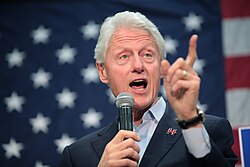
Bill Clinton arrived at the White House in January 1993 as the first Baby Boomer president, governing with the restless energy of a man who had been planning for the job since adolescence. A Rhodes Scholar from Hope, Arkansas, who survived a draft controversy, a sex scandal, and a bruising primary to defeat an incumbent president, Clinton brought to Washington an almost supernatural political gift: the ability to make every voter feel like the smartest person in the room.
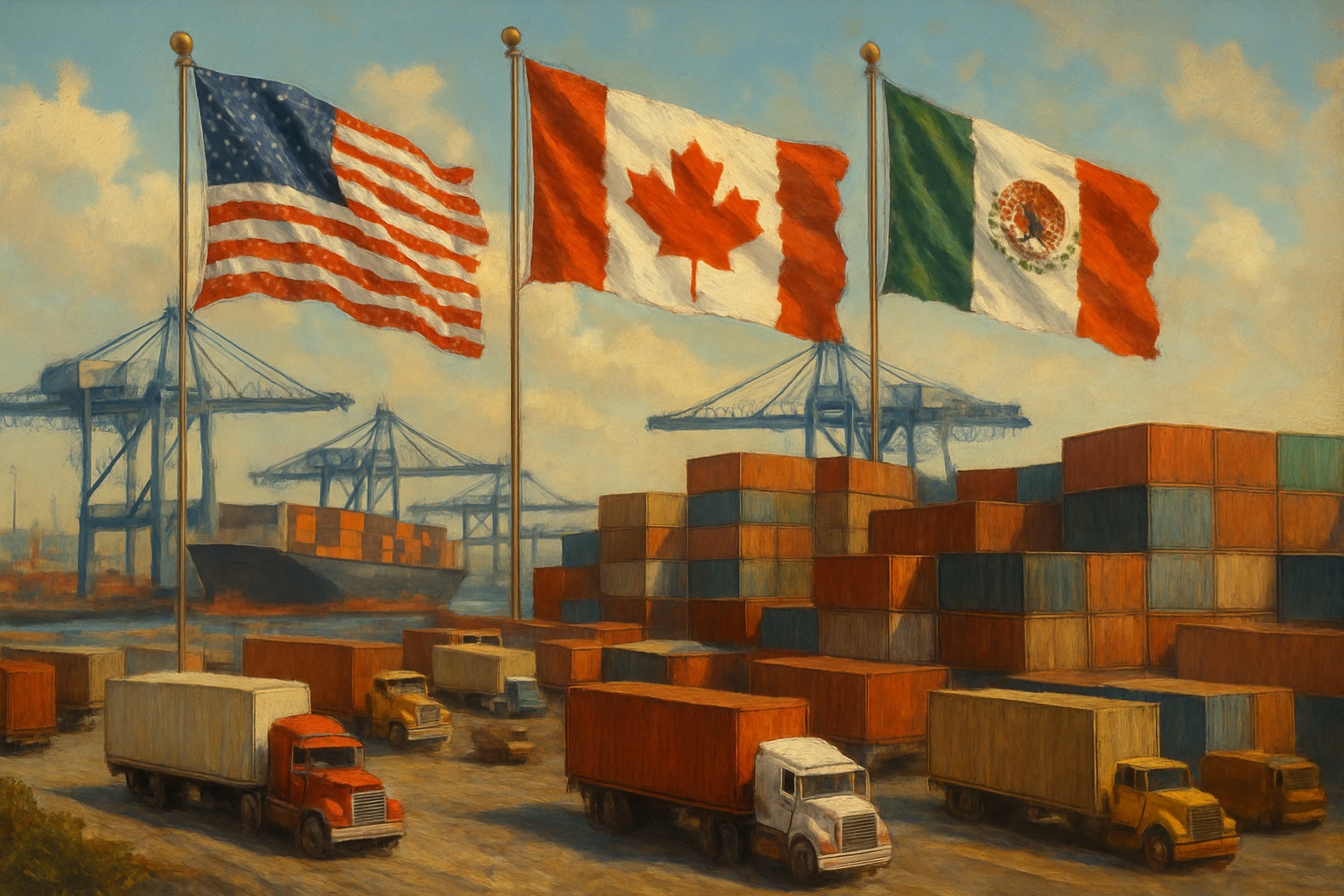
His two terms coincided with the longest sustained economic expansion in American history — 115 consecutive months of growth, a budget surplus of $236 billion by 2000, and 22 million jobs created. NAFTA, welfare reform, and the Crime Bill of 1994 reflected his Third Way politics: a centrist repositioning of the Democratic Party that won elections and outraged liberals. His foreign policy included NATO's intervention in Bosnia and Kosovo and a failed effort to broker Middle East peace at Camp David.
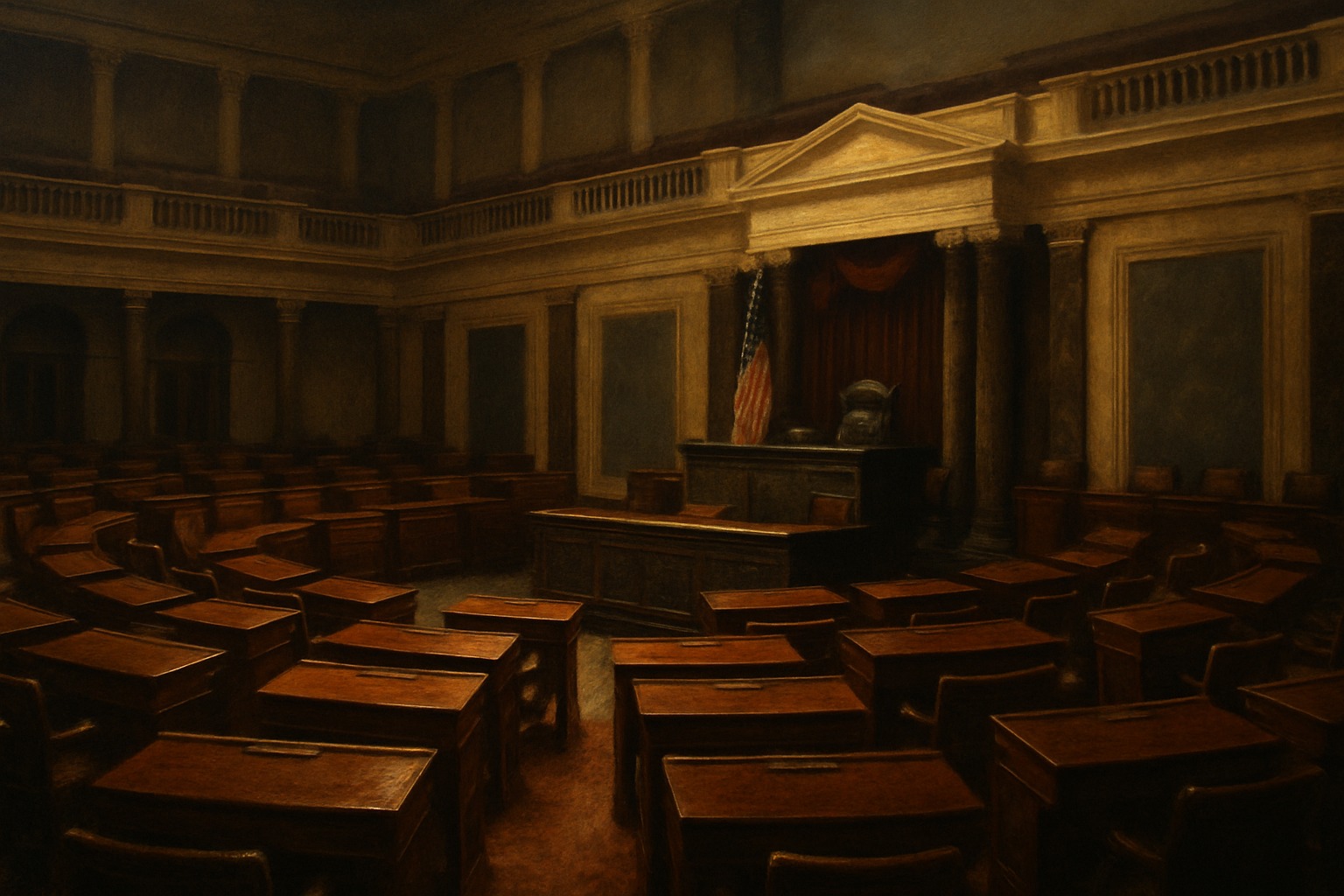
The Monica Lewinsky scandal consumed his second term. In December 1998, the House of Representatives impeached Clinton on charges of perjury and obstruction of justice, making him only the second president to be impeached. The Senate acquitted him. He remained in office and left with approval ratings above 60 percent — a paradox of personal failure and political durability that defined a complicated legacy.

| Born | August 19, 1946 — Hope, Arkansas |
| Party | Democratic |
| Term | January 20, 1993 – January 20, 2001 |
| Vice President | Al Gore |
| Preceded by | George H.W. Bush |
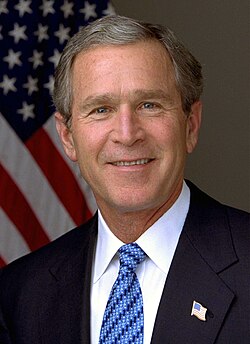
| Succeeded by | George W. Bush |
| Impeached | December 19, 1998; acquitted by Senate February 12, 1999 |
| Years | 1946 |
| Location | Washington, D.C. |