Millard Fillmore
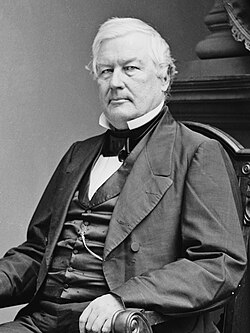
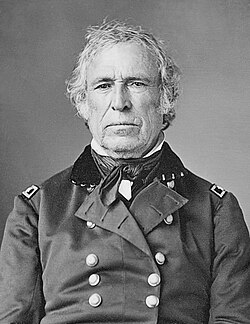
Millard Fillmore became president on July 9, 1850, the morning after Zachary Taylor died of a stomach ailment, and spent his single term signing legislation he privately doubted in the hope of preserving a union visibly cracking at its seams. The Compromise of 1850, which Fillmore pushed through Congress after Henry Clay's original effort had stalled, admitted California as a free state, organized New Mexico and Utah as territories without resolving their slavery status, and included the Fugitive Slave Act — which required Northern citizens to assist in the capture and return of people who had escaped enslavement. It was the compromise that wasn't.
The Fugitive Slave Act was the deal's poison pill. Enforcing it required Northern courts and citizens to participate directly in the machinery of slavery, radicalizing abolitionists who had previously been content with containment. Harriet Beecher Stowe wrote "Uncle Tom's Cabin" in direct response to what she witnessed under the new law. Fillmore believed the compromise had saved the union; it had actually ignited the decade of fury that ended at Fort Sumter. The act was one of the most consequential pieces of legislation in American history — and one of the most catastrophically miscalculated.
Fillmore's postpresidential career was as undistinguished as his presidency was damaging. He ran for president in 1856 as the candidate of the Know-Nothing Party — an anti-immigrant, anti-Catholic nativist movement — and carried only Maryland. He sat out the Civil War, criticized Lincoln's conduct of it, and spent his final years as a prominent Buffalo civic figure of whom history has been, with good reason, unkind.
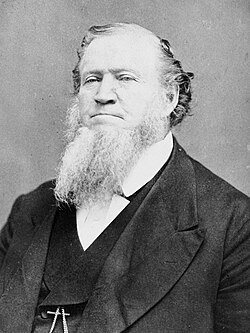
| Born | January 7, 1800 — Moravia, New York |
| Died | March 8, 1874 — Buffalo, New York |
| Term | July 9, 1850 – March 4, 1853 (13th President) |
| Party | Whig |
| Assumed office | On death of Zachary Taylor |
| Key legislation | Compromise of 1850; Fugitive Slave Act |
| Vice President | None (assumed office on Taylor's death) |
| Post-presidency | Know-Nothing Party candidate, 1856 (carried only Maryland) |
| Years | 1800–1874 |
| Location | Washington, D.C. |