What to the Slave Is the Fourth of July?
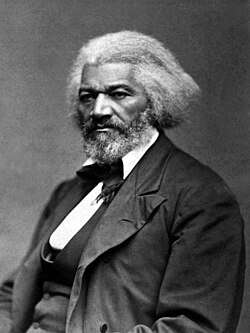
The Rochester Ladies' Anti-Slavery Society invited Frederick Douglass to give the city's Independence Day address in 1852, and he chose to speak on July 5 rather than the Fourth. Some five or six hundred people paid twelve and a half cents each to fill Corinthian Hall. Douglass had escaped slavery in Maryland fourteen years earlier, and he was by then the most famous Black man in America, an editor and lecturer whose own life was the strongest argument the abolition movement had.
He began gently, praising the founders as brave men who had risked everything for principle. Then he turned. "This Fourth of July is yours, not mine," he told his listeners. "You may rejoice, I must mourn." To the enslaved, he said, the day revealed more than any other in the year the gross injustice and cruelty to which they were the constant victims. The celebration was a sham, the boasted liberty an unholy license, the shouts of joy empty and heartless.
Douglass insisted that the moment called for scorching irony rather than convincing argument, because the case against slavery needed no further proof. He attacked the domestic slave trade, the new Fugitive Slave Act, and the churches that defended both. The country's sins, he said, were enough to put to shame a nation of savages.
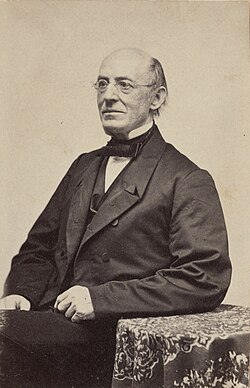
The speech ended on an unexpected note of hope. Douglass had recently broken with William Lloyd Garrison over the Constitution, which Garrison called a proslavery compact. Douglass now read it as a glorious liberty document, and he drew encouragement from the Declaration of Independence and the great principles it contained. The address was printed as a pamphlet and has become one of the most quoted works of American oratory, reread each July as a test of what the holiday means.

| Speaker | Frederick Douglass |
| Date | July 5, 1852 |
| Host | Rochester Ladies' Anti-Slavery Society |
| Audience | About 500 to 600 people at Corinthian Hall |
| Key line | "This Fourth of July is yours, not mine." |
| Turn | Called the Constitution a glorious liberty document |
| Date | July 5, 1852 |
| Location | Corinthian Hall, Rochester, New York |