The Cross of Gold Speech
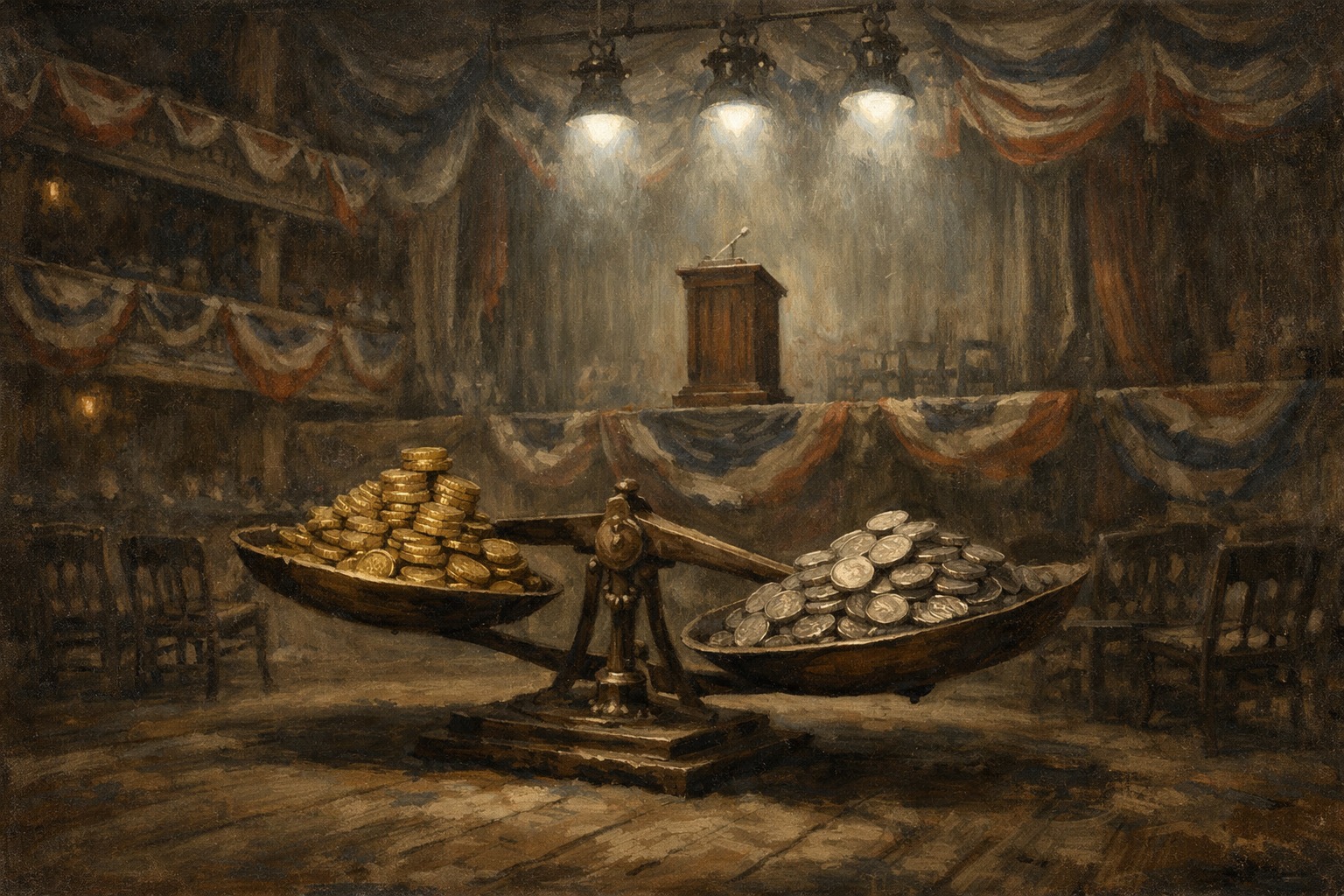
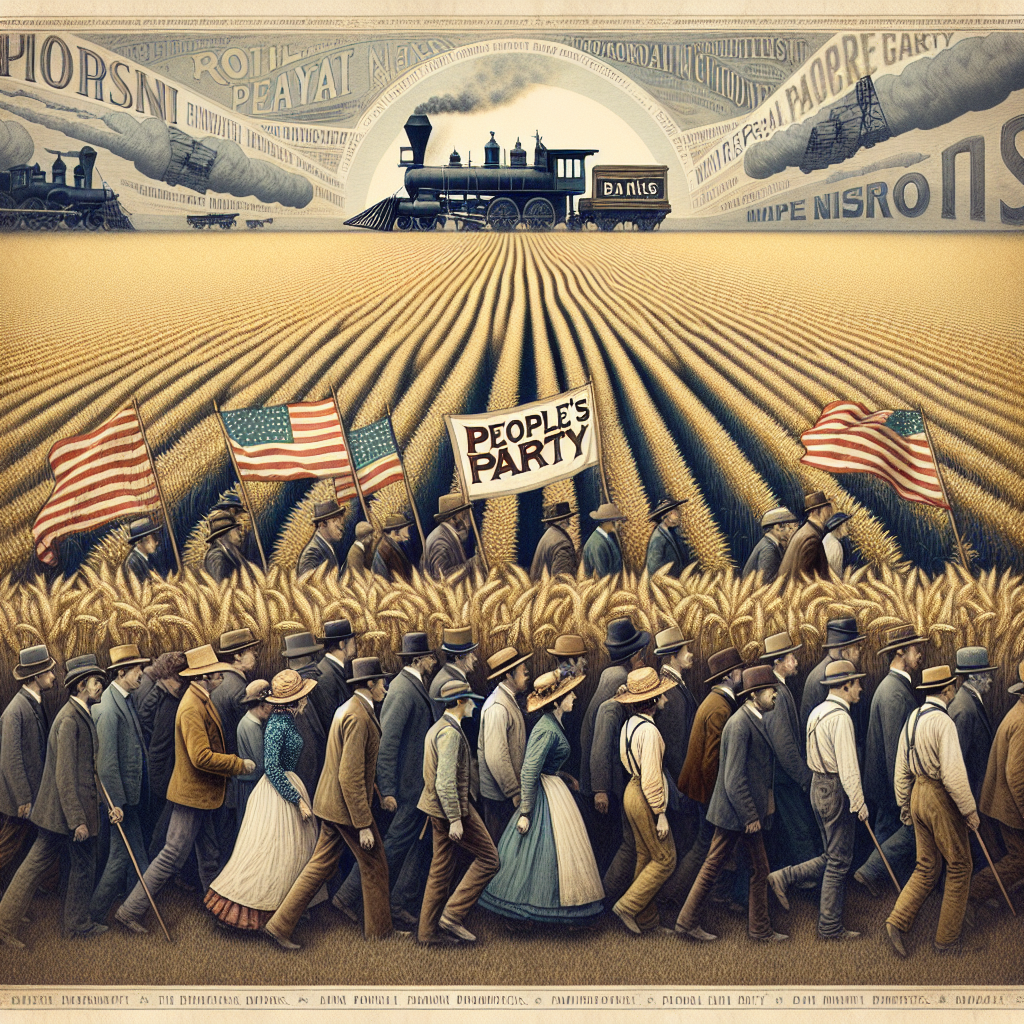
The depression that began in 1893 hit farmers hardest. Crop prices had been falling for two decades, debts were fixed in dollars that grew more valuable every year, and many in the South and West blamed the gold standard. Coining silver freely at a ratio of sixteen to one with gold would expand the money supply, raise prices, and ease the burden of debt. By 1896 the free-silver insurgency had seized the Democratic Party from its own president, Grover Cleveland.
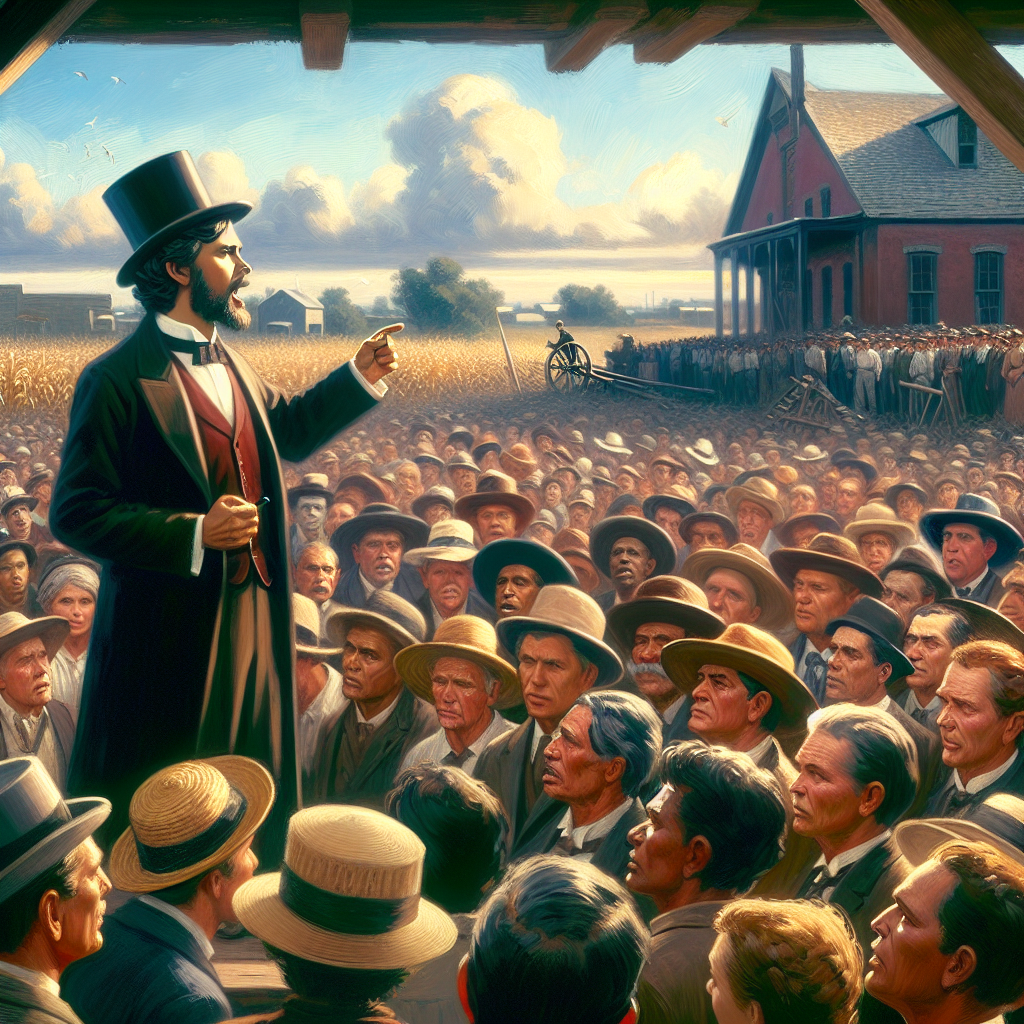
William Jennings Bryan was thirty-six, a former two-term congressman from Nebraska with a famous voice and little standing as a candidate. He closed the convention's debate on the silver plank on July 9. He spoke for the farmer and the miner and the crossroads merchant as businessmen every bit as much as the Wall Street broker, and he cast the fight as one between the producing masses and the idle holders of idle capital.
Then came the ending he had been rehearsing for months. "You shall not press down upon the brow of labor this crown of thorns," he said, raising his hands to his temples. "You shall not crucify mankind upon a cross of gold." He stretched out his arms and held the pose. The hall was silent for a moment and then exploded, delegates carrying him on their shoulders. The next day the convention nominated him for president on the fifth ballot, and the Populist Party endorsed him too.
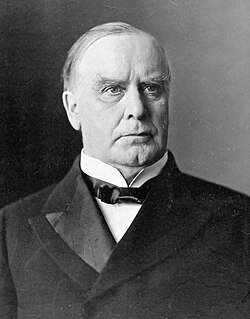
Bryan campaigned as no candidate had, traveling some eighteen thousand miles and giving hundreds of speeches. William McKinley stayed home and let Mark Hanna's money and organization do the work, and won decisively in the industrial Northeast and Midwest. Rising gold supplies soon eased deflation and silver faded as an issue. But the speech marked the moment the Democratic Party turned from the party of Cleveland toward the party of agrarian protest and, eventually, of the New Deal.
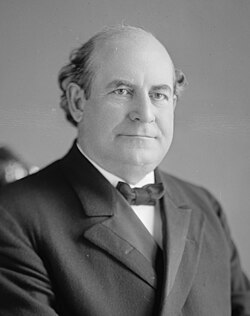
| Speaker | William Jennings Bryan, 36 |
| Date | July 9, 1896 |
| Occasion | Debate on the platform at the Democratic National Convention |
| Issue | Free coinage of silver at 16 to 1 |
| Result | Nominated for president the next day |
| Election | Lost to William McKinley in November |
| Date | July 9, 1896 |
| Location | Chicago Coliseum, Chicago, Illinois |