Pax Americana
The American-led peace among the great powers after World War II
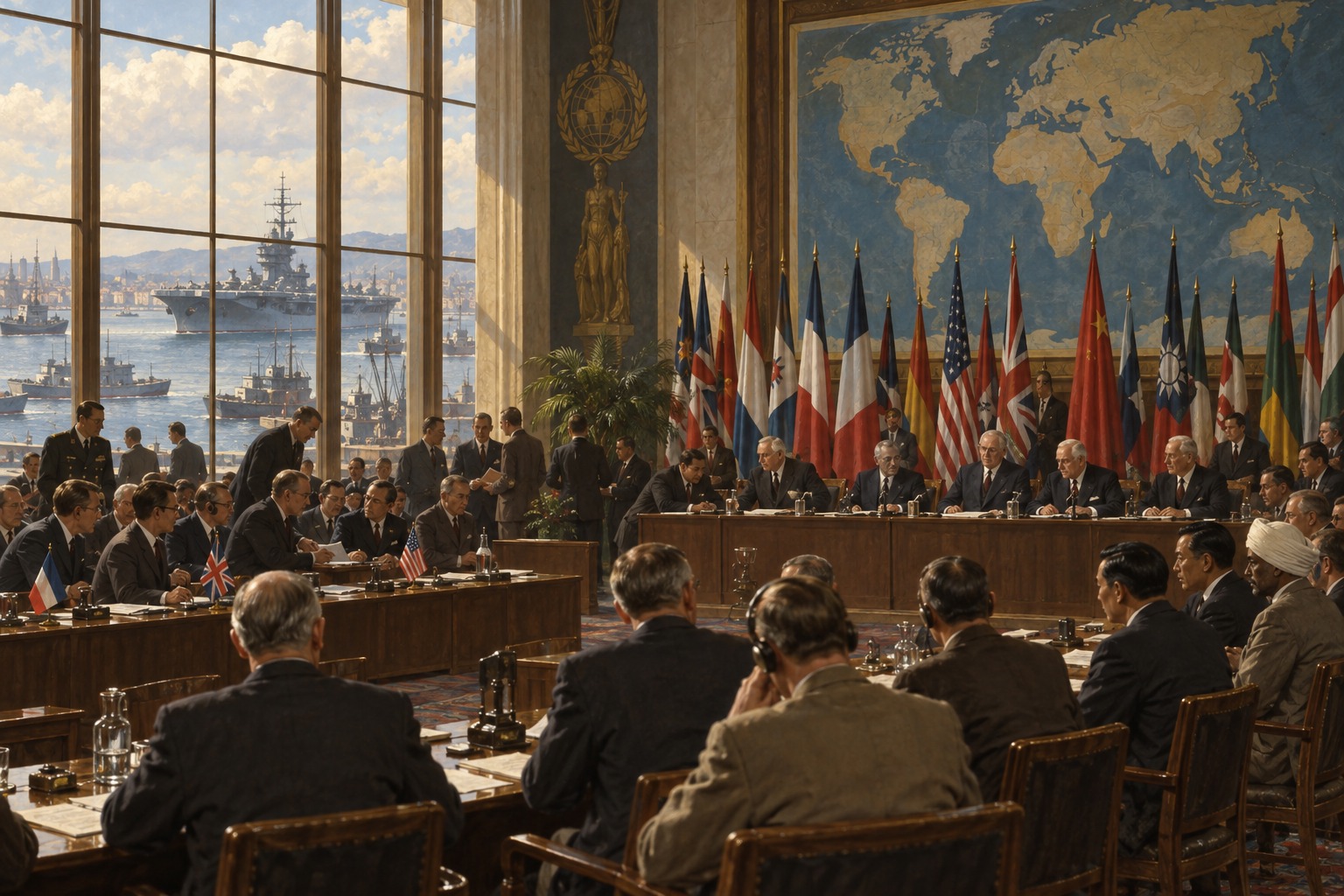
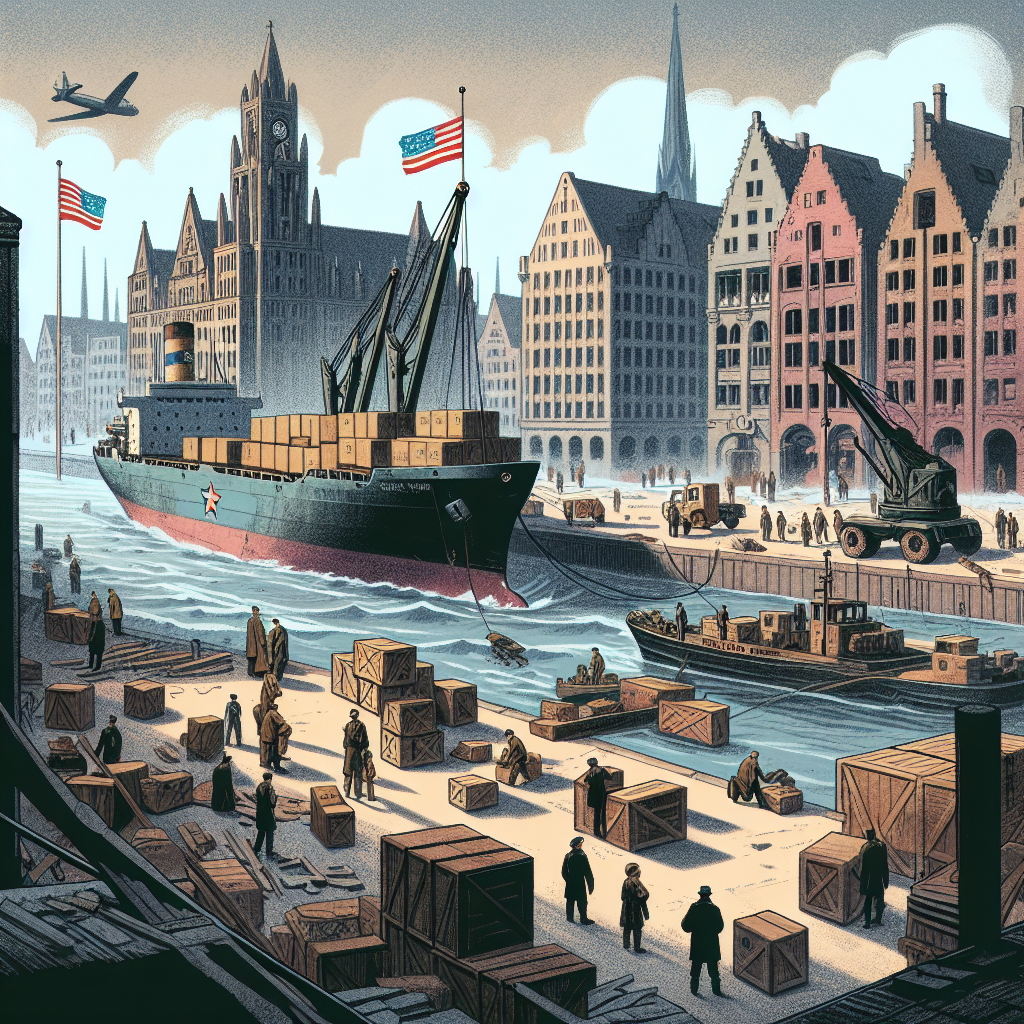
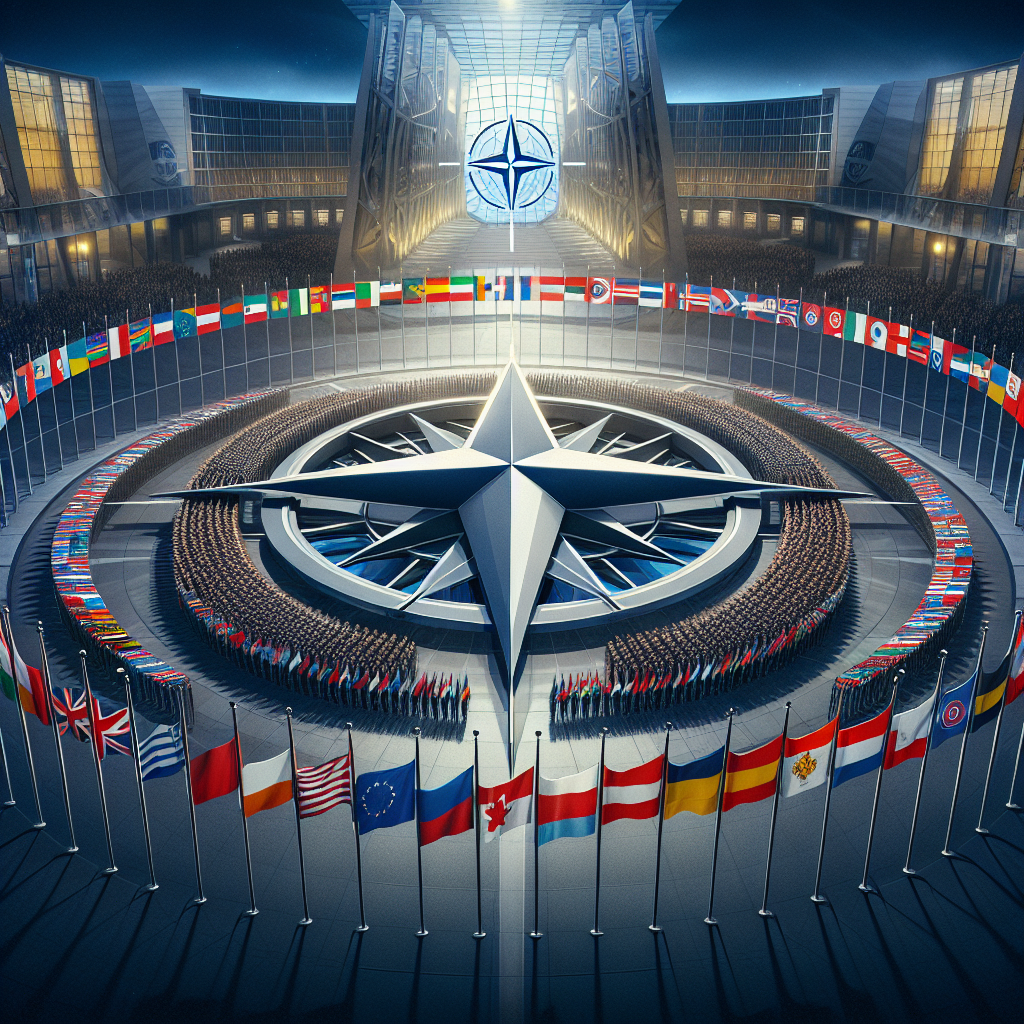
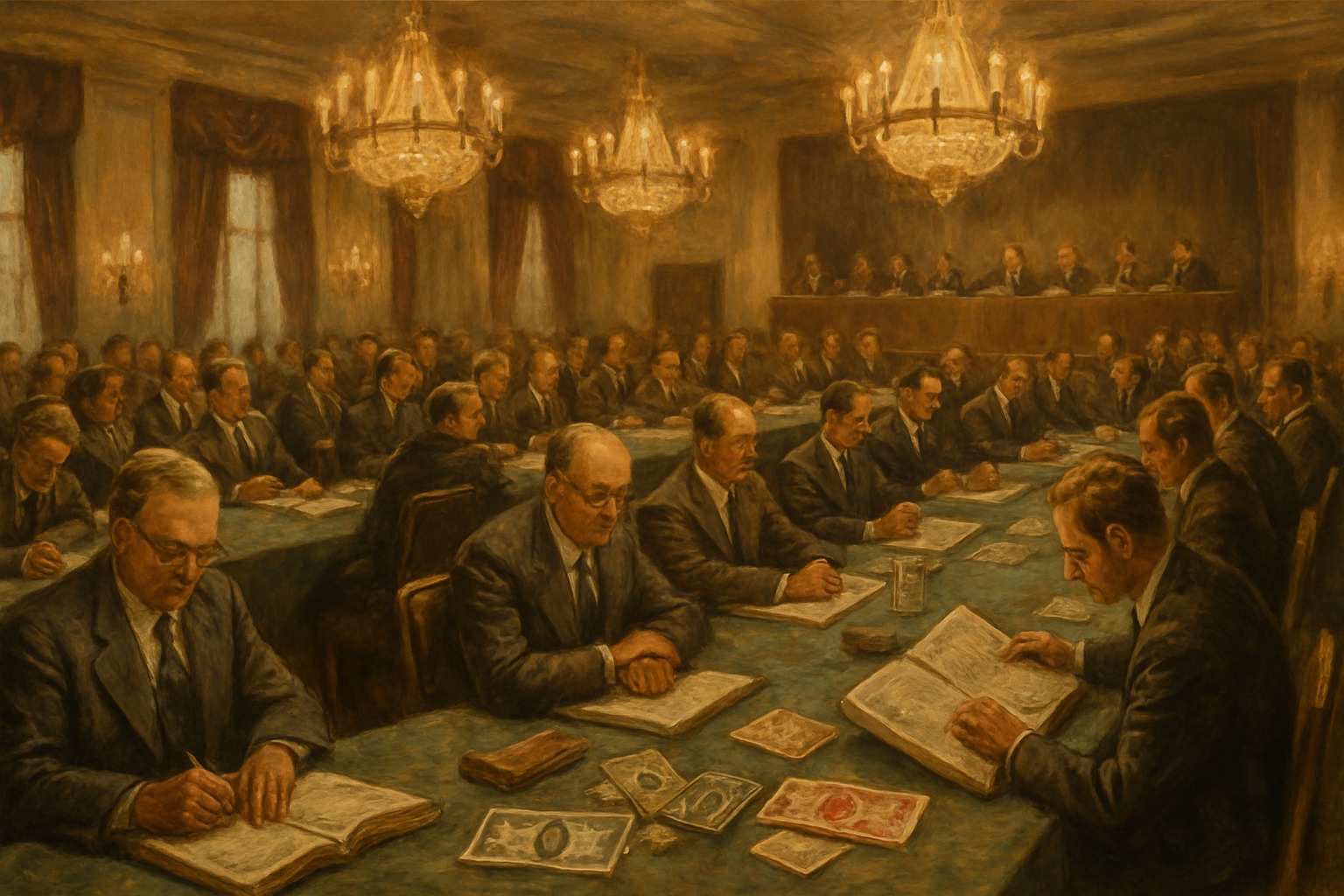
Pax Americana, Latin for "American peace," is the name for the long period after World War II in which the military, economic and political power of the United States kept the world's great powers from fighting one another directly. The term echoes the Pax Romana of the Roman Empire and the Pax Britannica of the 19th century. It describes the order Washington built between 1944 and 1949: the Bretton Woods conference of July 1944, which created the International Monetary Fund and the World Bank and tied the world's currencies to the dollar; the United Nations in 1945; the Marshall Plan, which sent about $13 billion to rebuild Western Europe from 1948; and NATO, founded on April 4, 1949.
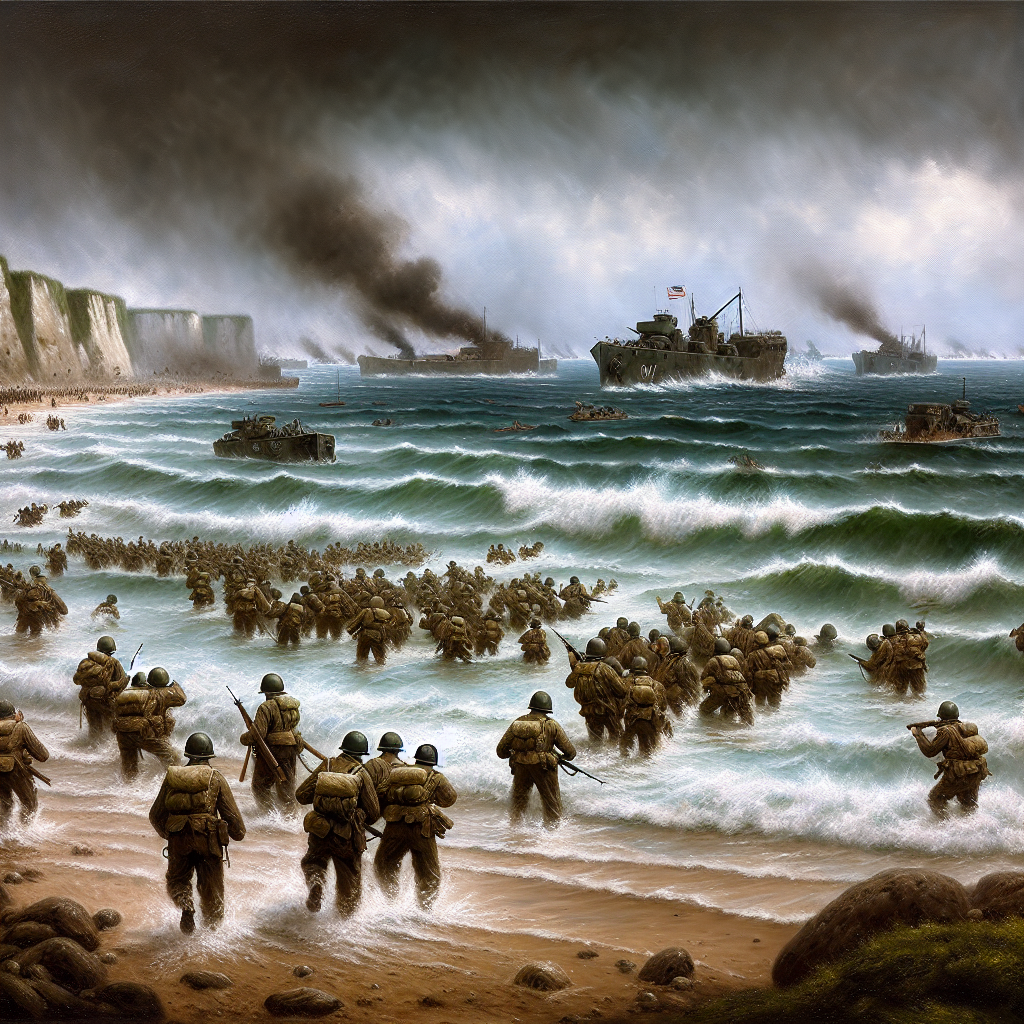
That order rested on American strength. At the end of the war the United States produced roughly half of the world's manufactured goods and held the only atomic bomb, a monopoly that lasted until the Soviet test of 1949. It kept bases and alliances from Western Europe to Japan and South Korea, and its navy patrolled the sea lanes on which world trade depended. The dollar became the world's reserve currency. Germany and Japan, rebuilt under American protection, turned from enemies into allies and two of the world's largest economies, and no war between great powers has broken out since 1945.
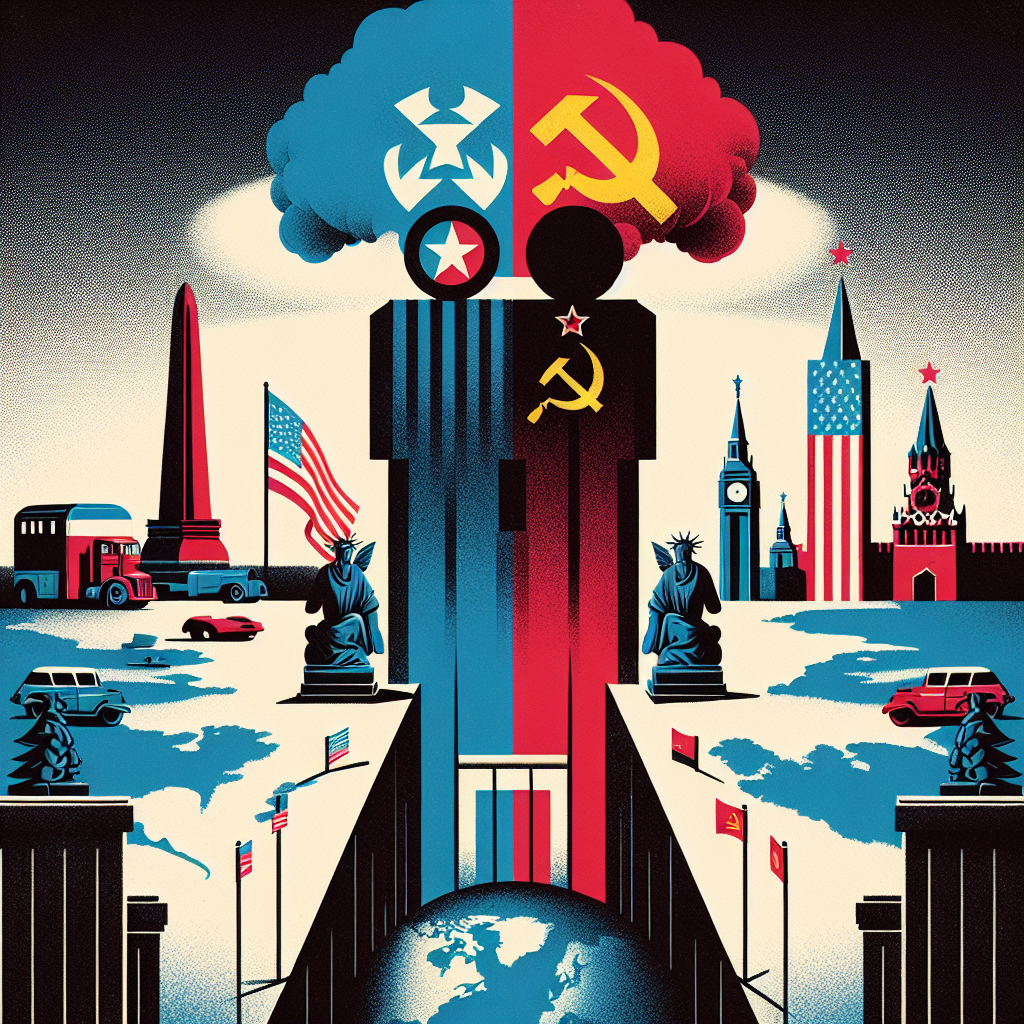
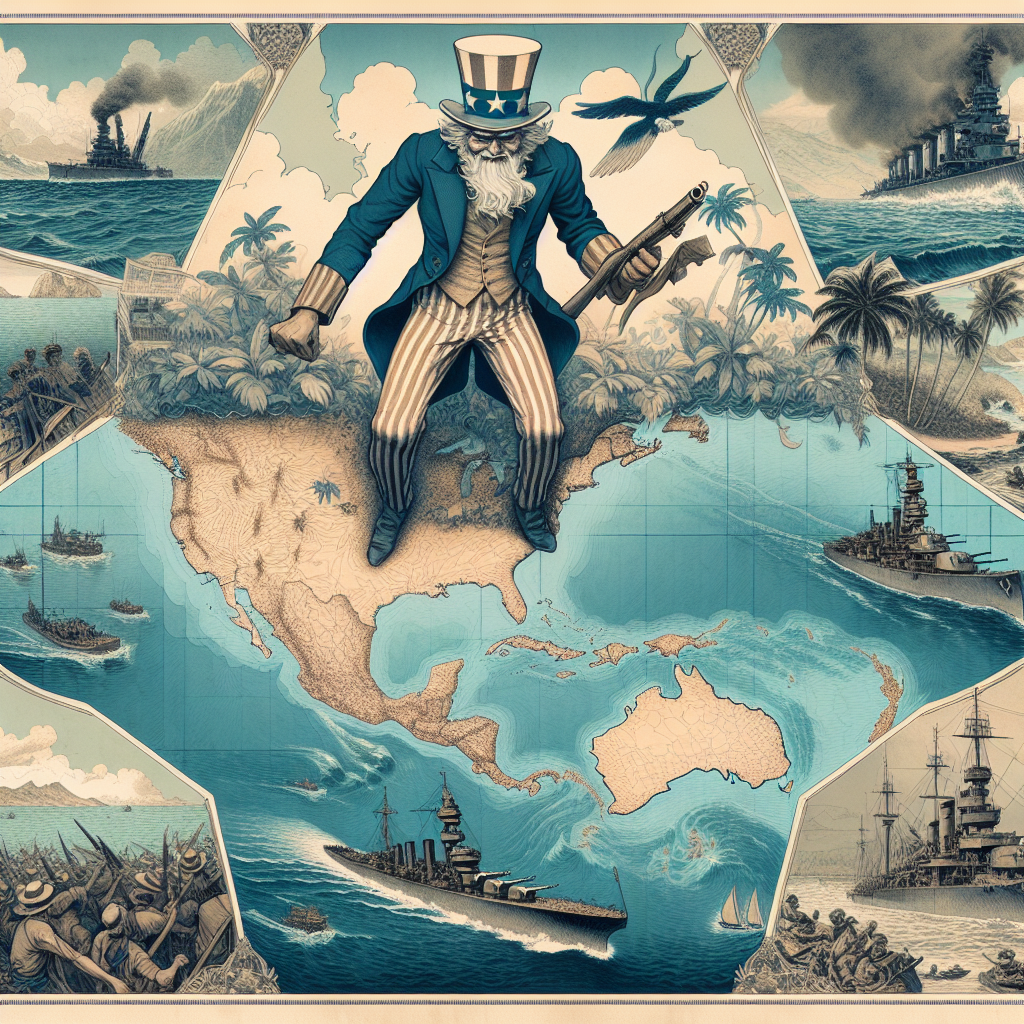
The phrase has always carried a critical edge. In his commencement speech at American University on June 10, 1963, John F. Kennedy said the peace he sought was not "a Pax Americana enforced on the world by American weapons of war." Critics point out that the American peace was never peaceful for everyone: the United States fought long wars in Korea and Vietnam, backed coups in Iran in 1953 and Guatemala in 1954, and confronted the Soviet Union in proxy conflicts around the world. Defenders reply that the system brought decades of economic growth, the spread of democracy and the absence of a third world war.
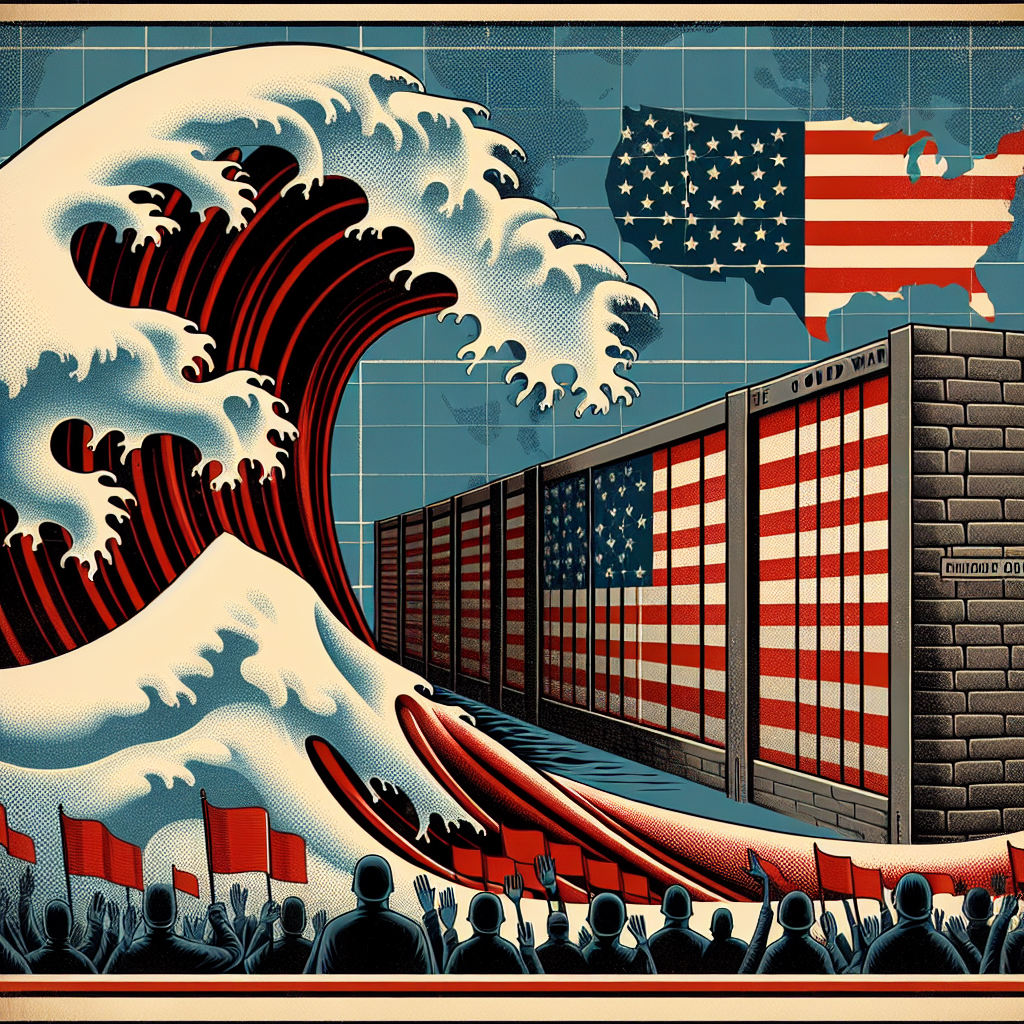
Since the end of the Cold War in 1991, which left the United States as the only superpower, historians and policymakers have argued over whether the Pax Americana is ending. The costly wars in Iraq and Afghanistan, the 2008 financial crisis, the rise of China and Russia's full-scale invasion of Ukraine in February 2022 have all been read as signs of decline. Others note that the dollar, America's alliances and its military reach remain at the center of world affairs.