Olympic National Park
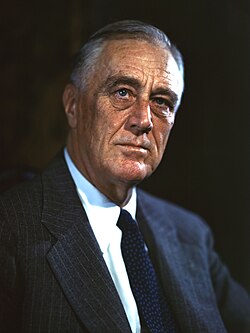
Franklin Roosevelt did not sign Olympic National Park into existence from behind a desk. In the fall of 1937 he toured the Olympic Peninsula himself, driving past hillsides timber companies had already clear-cut and reportedly telling local officials he wanted to stop the logging before it reached the peninsula's last stands of ancient rainforest. Roosevelt signed the bill creating Olympic National Park on June 29, 1938, overriding fierce opposition from the Forest Service and the timber industry, both of which wanted the old-growth forest logged rather than preserved.
Few parks pack as much ecological range into one boundary: glaciated peaks over 7,000 feet, one of the wettest temperate rainforests in the world, and more than 70 miles of wild Pacific coastline all sit inside Olympic's borders. Eight Native nations, including the Quinault, Hoh, Makah, and Elwha Klallam, hold reservations bordering or partly inside the park and retain treaty rights to fish and gather resources that predate its creation by generations, rights that have required repeated legal fights to enforce as the park's boundaries and management rules took shape around them.
The park's most dramatic recent chapter involves water rather than trees: the removal of the Elwha River's two dams between 2011 and 2014, the largest dam-removal project in American history at the time, reopened 70 miles of river to salmon runs that had been blocked for a century, and the project became a model for ecological restoration watched by park managers nationwide.
| Established | 1938 |
| Signed into law by | President Franklin D. Roosevelt |
| Location | Olympic Peninsula, Washington |
| Signature feature | Combines glaciers, temperate rainforest, and Pacific coastline |
| Historical first | FDR personally toured the peninsula before signing the park into law |
| Did you know | The 2011-2014 Elwha River dam removal was the largest in U.S. history at the time |
| Date | Established 1938 |
| Location | Olympic Peninsula, Washington |