Fort Laramie
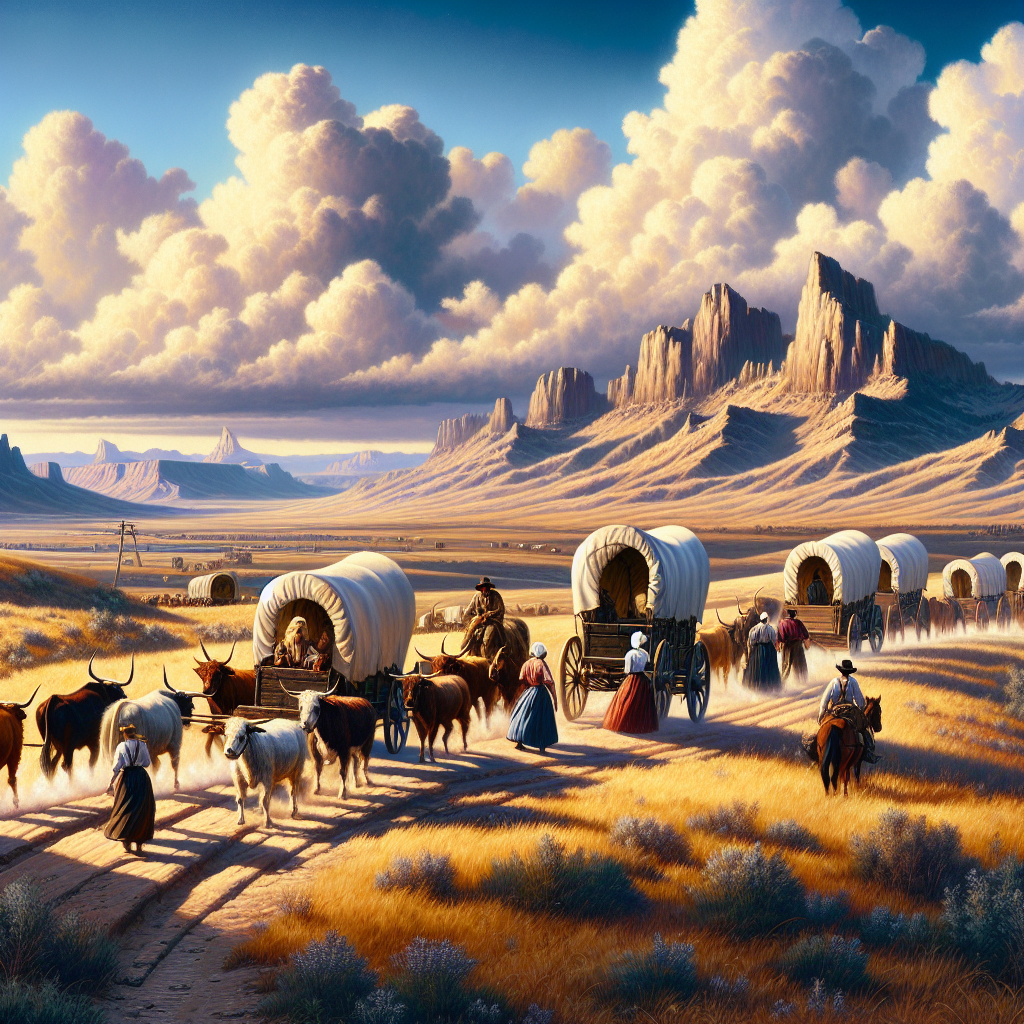
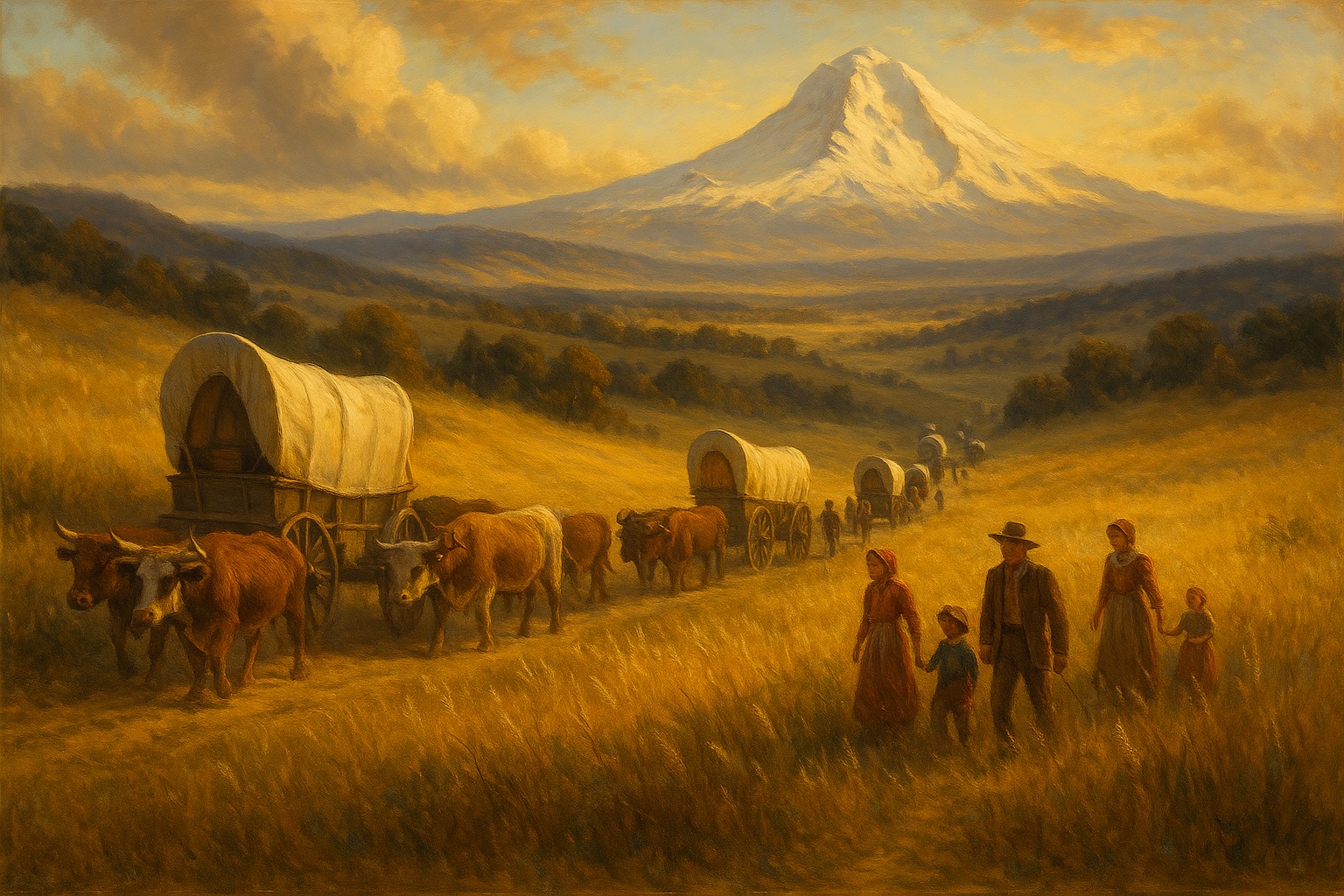
Fort Laramie sat where the Oregon Trail crossed from open grassland into the high plains, and by the 1840s nearly every family bound for Oregon or California stopped there to rest their stock, repair wagons, and buy supplies at prices inflated by 800 miles of empty prairie behind them. Fur traders built the first post, a log stockade called Fort William, in 1834 to trade with the Lakota, Cheyenne, and Arapaho nations who controlled the surrounding plains. The U.S. Army purchased the property in 1849, rebuilt it in stone and adobe, and turned it into the most important military and supply post between the Missouri River and the Rocky Mountains.
In September 1851, Fort Laramie hosted the largest gathering of Native nations ever assembled on the Plains -- an estimated 10,000 Lakota, Cheyenne, Arapaho, Shoshone, and other representatives who negotiated a treaty recognizing tribal territories in exchange for safe passage along the trail and the right to build forts and roads. The United States broke the treaty's boundaries within years, as miners, settlers, and eventually the government itself pushed into land the treaty had set aside, feeding decades of conflict that culminated in the Plains wars of the 1860s and 1870s. The fort that enabled westward migration also became a staging ground for the campaigns that dispossessed the nations it had once treated with.
The army abandoned Fort Laramie in 1890 once railroads had made the overland trail obsolete, and nearby settlers scavenged much of its original stone and timber for their own buildings. The National Park Service acquired the site in 1938 and has restored or stabilized more than 20 structures, from officers' quarters to the old bakery, making it one of the best-preserved frontier military posts in the country. Visitors today can walk the same ground worn by thousands of wagon wheels right up to the fort's gates.
| Trading post established | 1834 (as Fort William) |
| Purchased by U.S. Army | 1849 |
| Fort Laramie Treaty signed | September 1851 |
| Treaty council attendance | An estimated 10,000 Plains nations representatives |
| Army abandoned fort | 1890 |
| National Park Service site since | 1938 |
| Date | Trading post established 1834; U.S. Army post 1849-1890 |
| Location | Fort Laramie, Wyoming |