Sonia Sotomayor
Associate Justice since 2009 and the first Hispanic member of the Supreme Court
Sonia Sotomayor became the first Hispanic justice of the Supreme Court in 2009. She was born on June 25, 1954, in the Bronx, New York, to parents who had moved to the mainland from Puerto Rico, and she grew up in public housing. Diagnosed with type 1 diabetes at age seven, she lost her father when she was nine and was raised by her mother, a nurse. She graduated summa cum laude from Princeton University in 1976 and earned her law degree from Yale Law School in 1979. She then spent five years as an assistant district attorney in Manhattan before moving into private practice at a commercial law firm.
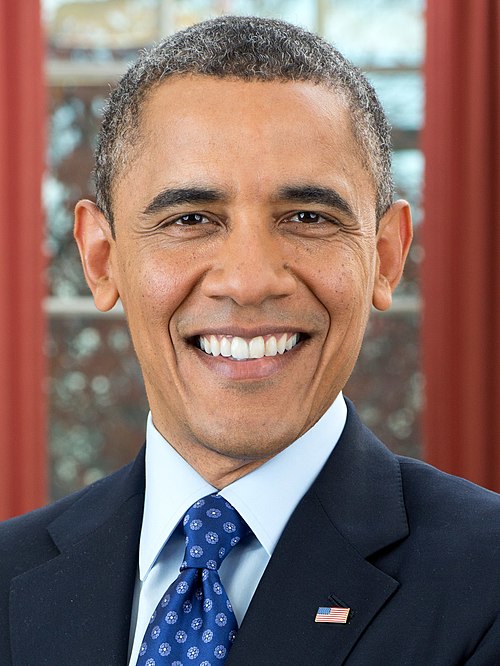
President George H. W. Bush appointed Sotomayor to the federal district court in Manhattan in 1992. In 1995 she issued the injunction against Major League Baseball's team owners that helped end the players' strike, which had canceled the 1994 World Series. President Bill Clinton elevated her to the U.S. Court of Appeals for the Second Circuit in 1998. In May 2009 President Barack Obama nominated her to replace the retiring Justice David Souter, and senators questioned her about a 2001 speech in which she suggested that a "wise Latina woman" might reach better conclusions than a white male judge; she told the committee the remark had been poorly phrased. The Senate confirmed her 68 to 31 on August 6, 2009. She took her seat two days later as the third woman to serve on the Court.
Sotomayor is part of the Court's liberal wing and is often in dissent in closely divided cases. She has written frequently about criminal justice and policing, including a dissent in Utah v. Strieff (2016) on evidence found after an unlawful stop. She also dissented in the Students for Fair Admissions cases (2023), which ended race-conscious college admissions, and in Trump v. United States (2024), which recognized presidential immunity for official acts. She wrote the majority opinion in J.D.B. v. North Carolina (2011), holding that a child's age matters in deciding whether police questioning requires Miranda warnings. Her memoir, My Beloved World (2013), describes her childhood and early career.
Related entries
Featured in these guides
Across the Brief network
People in this entry, on BriefPeople