Winfield Scott
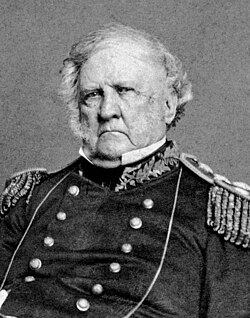
When Winfield Scott rode into Mexico City in September 1847 at the head of an American army, he had just completed one of the most audacious campaigns in the history of the Western Hemisphere — a 260-mile march from Veracruz to the Mexican capital that Napoleon's surviving officers, studying it from Europe, would call a masterpiece. His soldiers called him "Old Fuss and Feathers" for his obsession with dress and protocol. His enemies had been calling him unstoppable for 35 years.
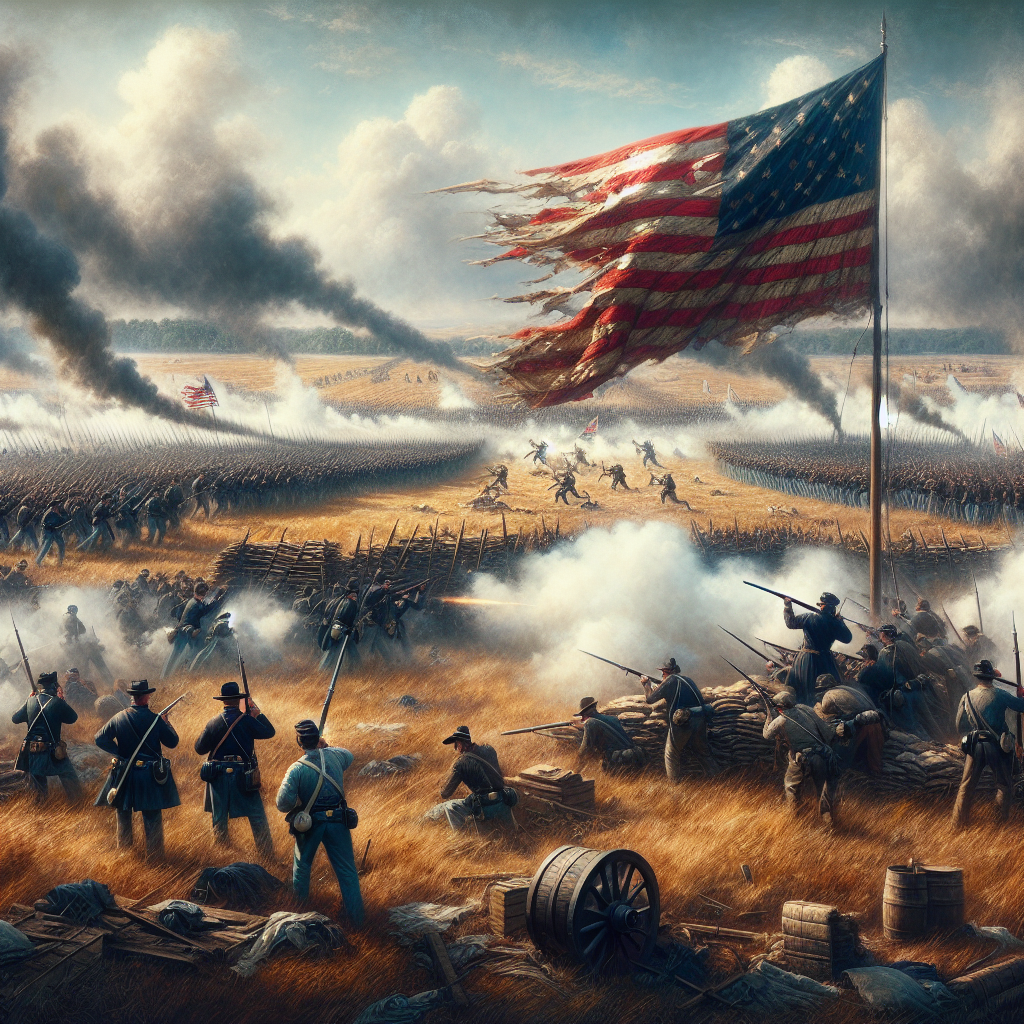
Scott's military career touched nearly every armed conflict in American history between 1812 and 1861. He fought the British at Lundy's Lane in the War of 1812, supervised the forced removal of the Cherokee in 1838, and ran for president as the Whig nominee in 1852. As general-in-chief when the Civil War began, he was 74 years old and too heavy to mount a horse — but his strategic mind remained sharp. The "Anaconda Plan" he proposed to Lincoln, calling for a naval blockade of the South and control of the Mississippi River to strangle the Confederacy into submission, was initially mocked by the press. It was essentially the strategy that won the war.
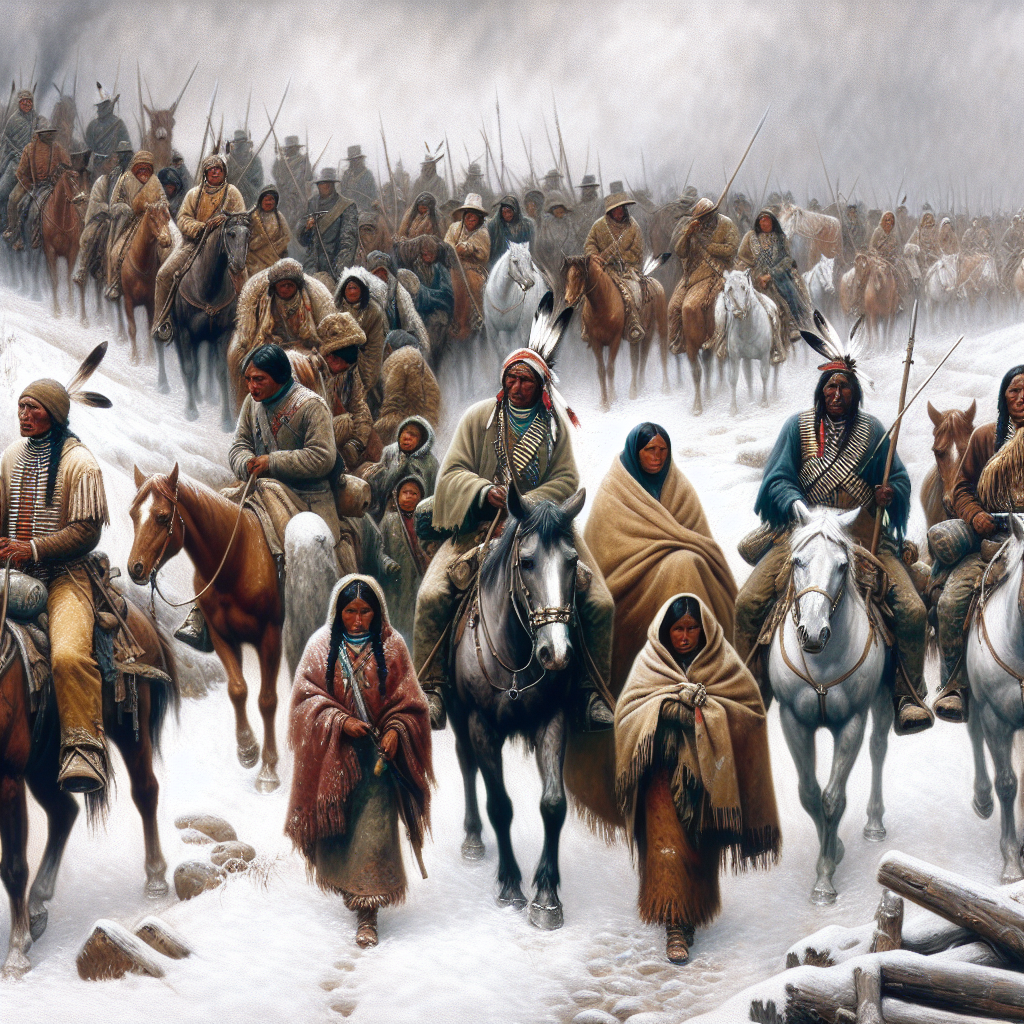
Scott's legacy carries a significant shadow: as commanding general in 1838, he oversaw the initial military phase of the Cherokee removal. He attempted to conduct the operation with restraint and later expressed private misgivings. None of that altered the outcome. The Trail of Tears unfolded under his authority, and it sits uneasily alongside his genuine military achievements — a reminder that the careers of great soldiers rarely arrive without complication.
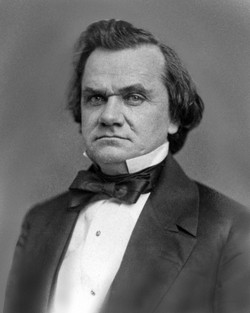
| Born | June 13, 1786 — Petersburg, Virginia |
| Died | May 29, 1866 — West Point, New York |
| Military Rank | General-in-Chief, U.S. Army (1841–1861) |
| Key Conflicts | War of 1812, Mexican-American War, Civil War (early) |
| Presidential Run | Whig nominee, 1852 (lost to Franklin Pierce) |
| Strategic Legacy | Anaconda Plan — naval blockade and Mississippi control |
| Nickname | "Old Fuss and Feathers" |
| Years | 1786–1866 |
| Location | Washington, D.C. |