Douglas MacArthur
Five-star general of World War II and Korea, removed from command by Truman in 1951
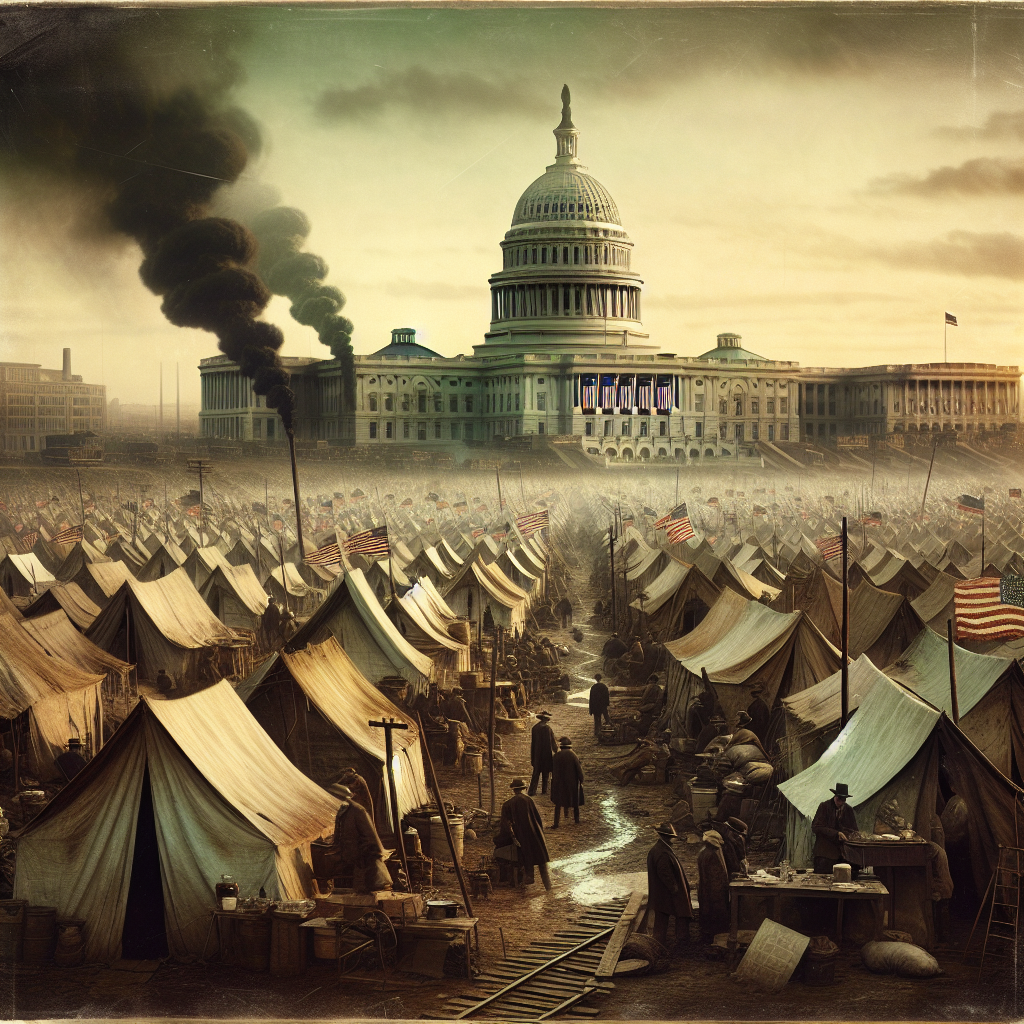
Douglas MacArthur was one of the most celebrated and most controversial American generals of the 20th century. He was born on January 26, 1880, at the Army barracks in Little Rock, Arkansas, the son of Arthur MacArthur Jr., a Civil War Medal of Honor recipient. He graduated first in the West Point class of 1903. In World War I he served with the 42nd "Rainbow" Division in France, rising to brigadier general and earning repeated decorations for bravery. He later served as superintendent of West Point and, from 1930 to 1935, as Army Chief of Staff. In July 1932 he led troops who drove the Bonus Army of World War I veterans out of Washington, an operation widely criticized as heavy-handed.
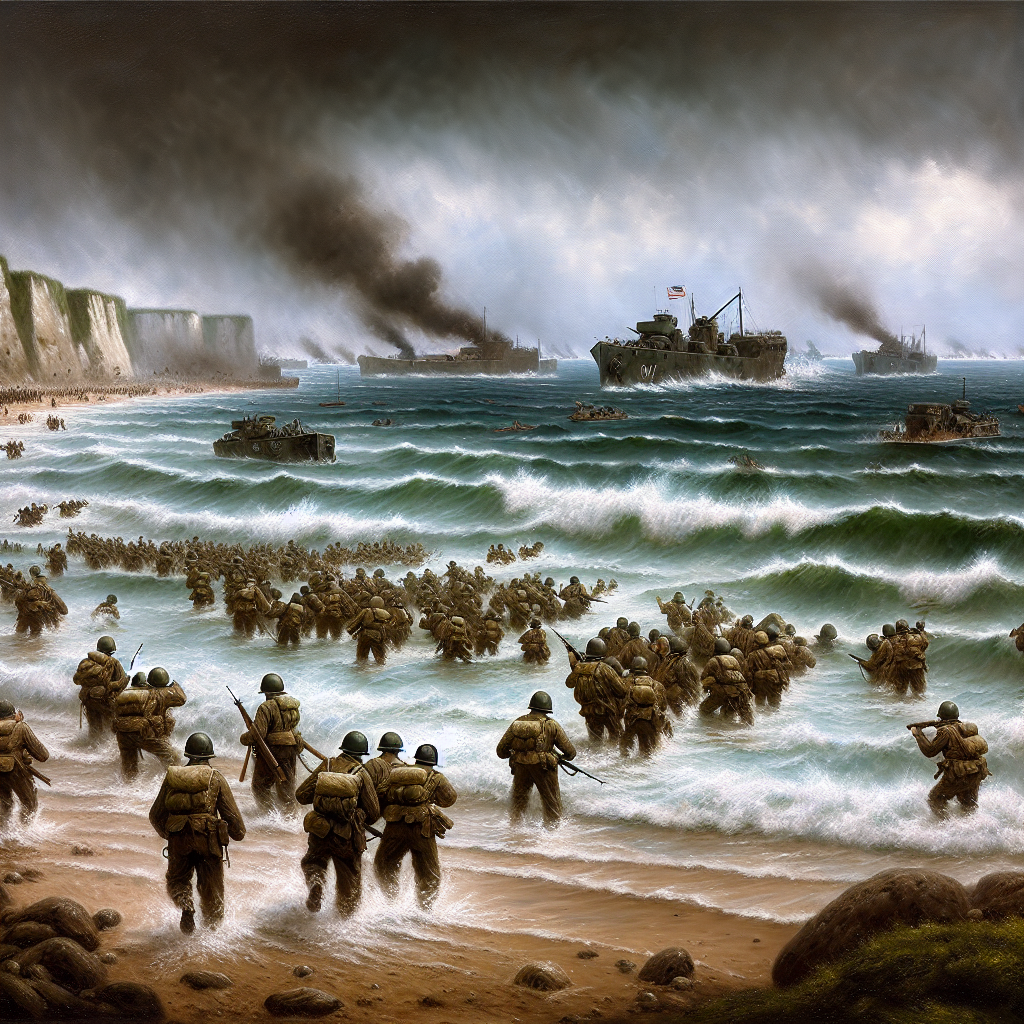
In 1935 MacArthur went to the Philippines as military adviser to its new commonwealth government, and in July 1941 he was recalled to active duty to command U.S. Army forces in the Far East. When Japan struck in December 1941, many of his aircraft were destroyed on the ground at Clark Field hours after news of Pearl Harbor, a failure still debated. Ordered by Franklin D. Roosevelt to leave the islands, he escaped to Australia in March 1942, promising "I shall return," and received the Medal of Honor. As commander in the Southwest Pacific he led the campaign through New Guinea and returned to the Philippines in October 1944. He accepted Japan's formal surrender aboard the USS Missouri on September 2, 1945.
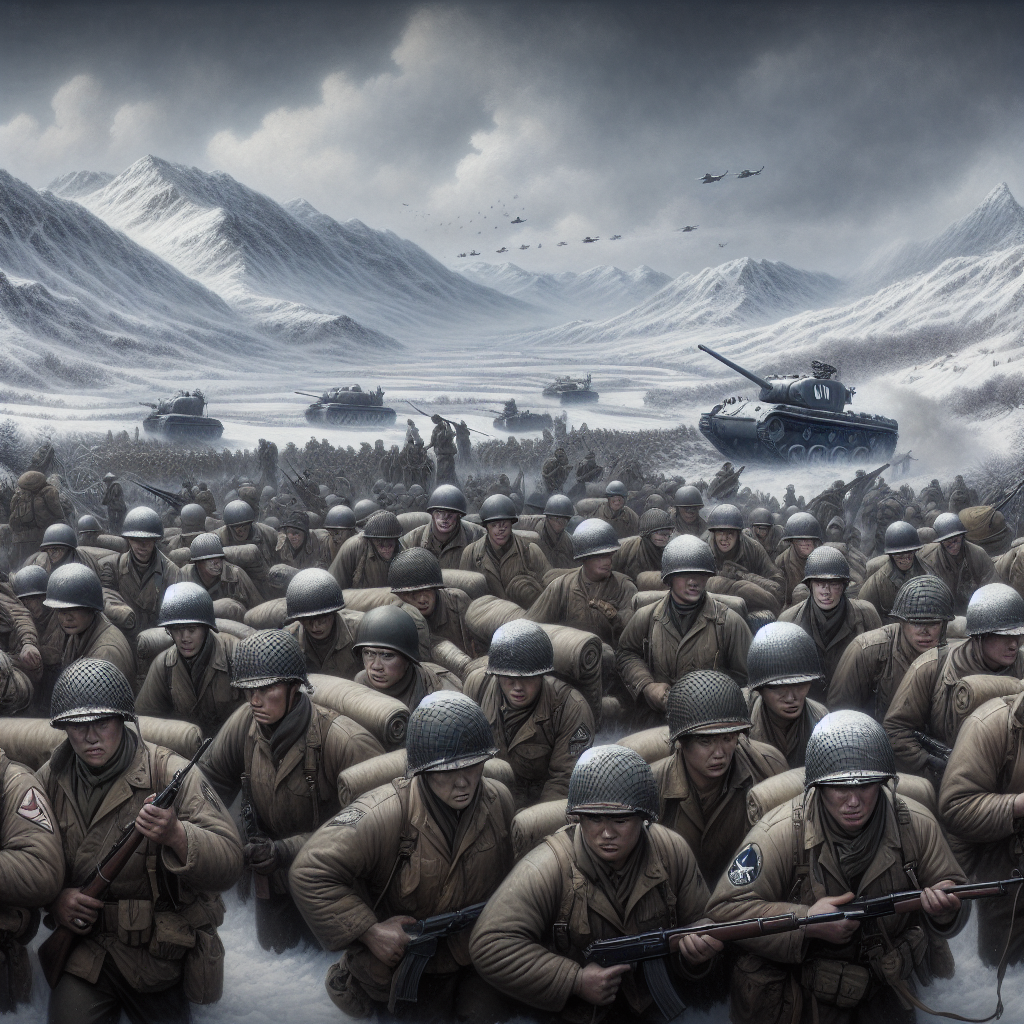
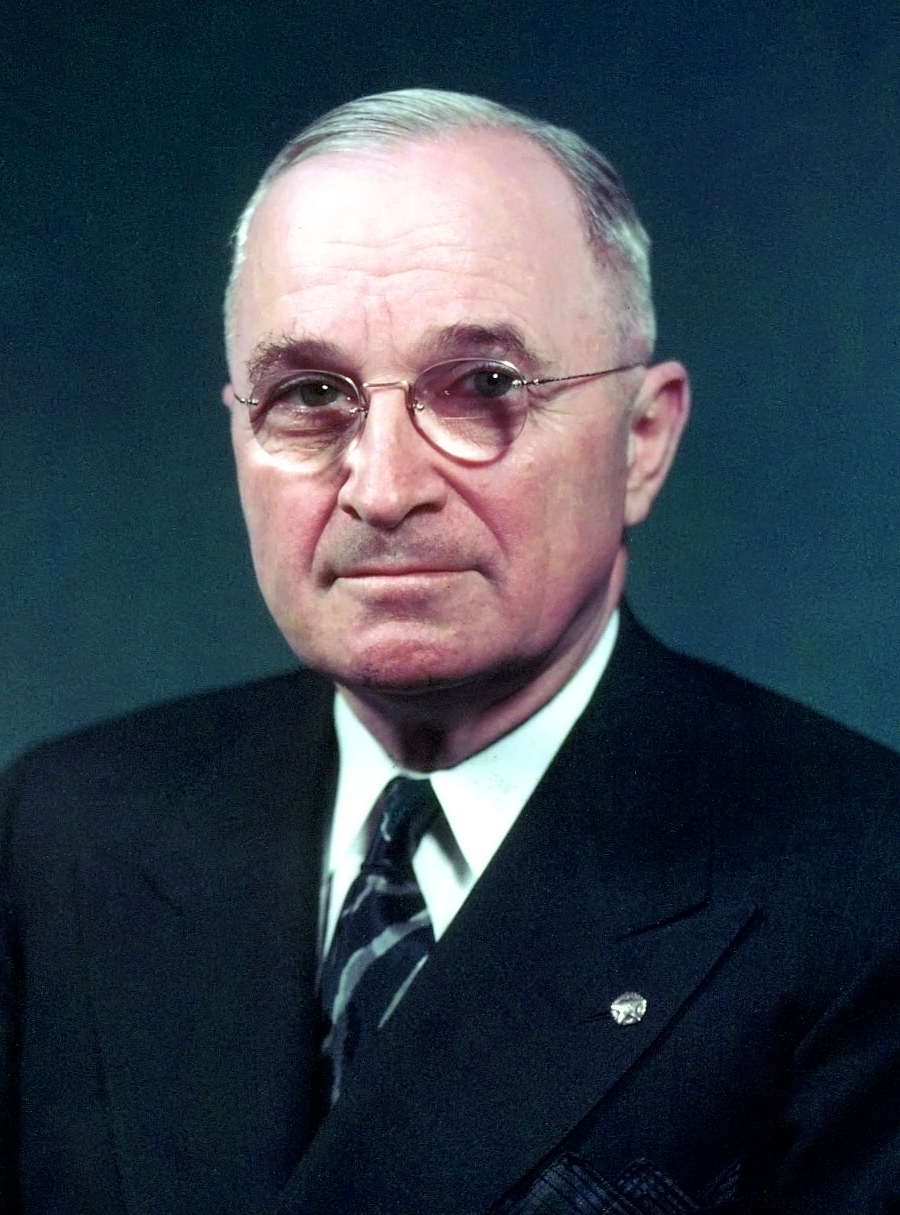
As Supreme Commander for the Allied Powers, MacArthur oversaw the occupation of Japan from 1945 to 1951, a period that produced a new democratic constitution, land reform, and voting rights for women. When North Korea invaded South Korea in June 1950, he was named commander of United Nations forces. His landing at Inchon on September 15, 1950, reversed the war, but his drive toward the Chinese border was followed by a massive Chinese intervention and a costly retreat. He publicly opposed President Harry S. Truman's policy of limited war, and Truman relieved him of command on April 11, 1951. MacArthur returned home to a hero's welcome and told Congress that "old soldiers never die; they just fade away."
MacArthur spent his last years in New York as chairman of the business-machine maker Remington Rand. A brief effort to win the 1952 Republican presidential nomination went nowhere, and the party chose his former aide Dwight D. Eisenhower instead. He died on April 5, 1964, at Walter Reed Army Medical Center in Washington, D.C., at the age of 84, and was buried in Norfolk, Virginia, where the MacArthur Memorial now holds his papers. Historians continue to weigh his strategic skill and his success in Japan against his self-promotion, his errors in the Philippines and Korea, and his open defiance of civilian authority.
Related entries
Across the Brief network
People in this entry, on BriefPeople