Life Magazine
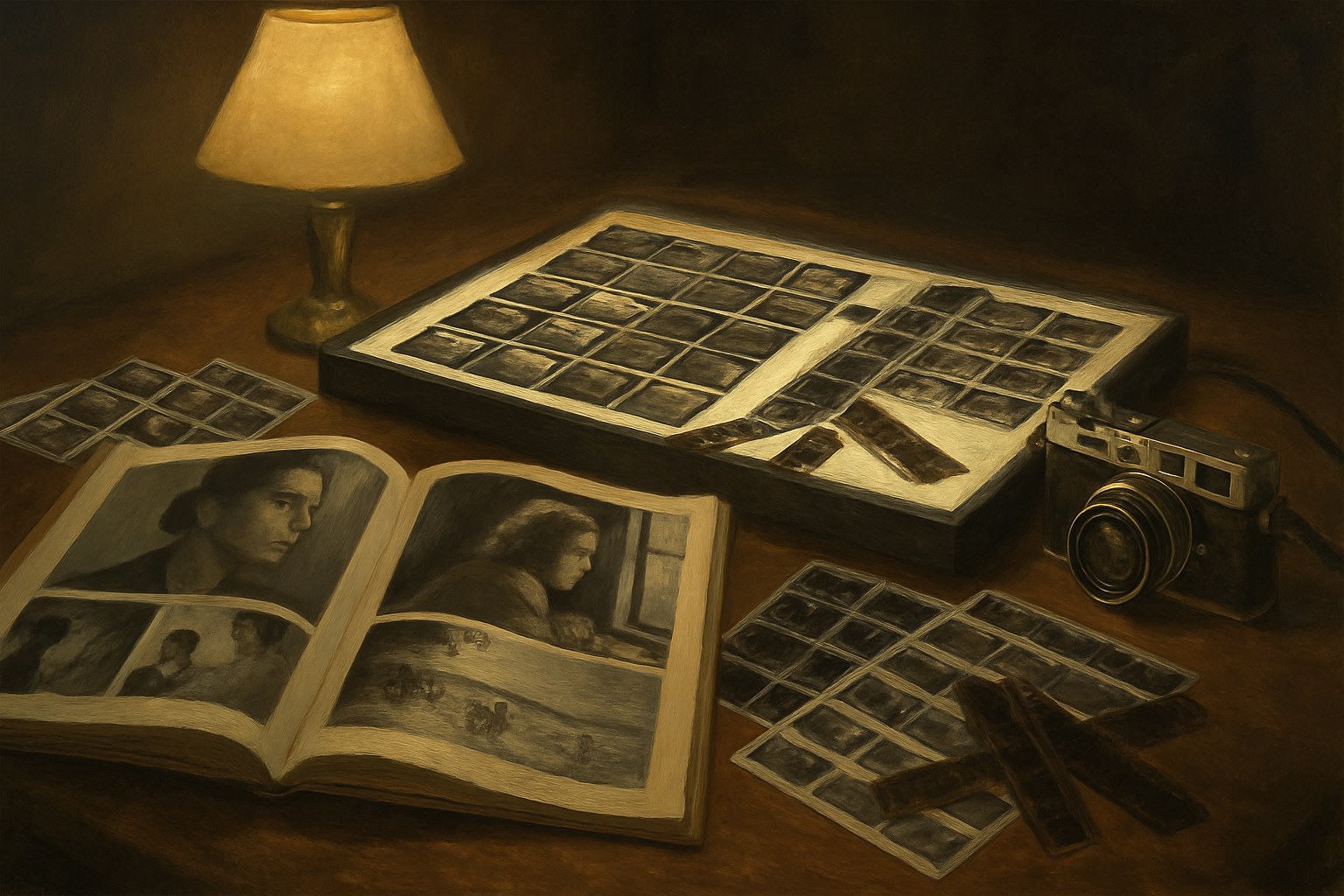
Henry Luce bought a dying humor magazine in 1936 mainly for its name, and on November 23 relaunched Life as something the country had not seen — an oversized weekly in which the photographs carried the story and the words served them. The prospectus he wrote was frankly grand about the ambition, promising readers that they would see life, see the world, and watch the faces of the poor and the gestures of the proud. The first run sold out, and the magazine lost money for two years because it had underpriced its own advertising.
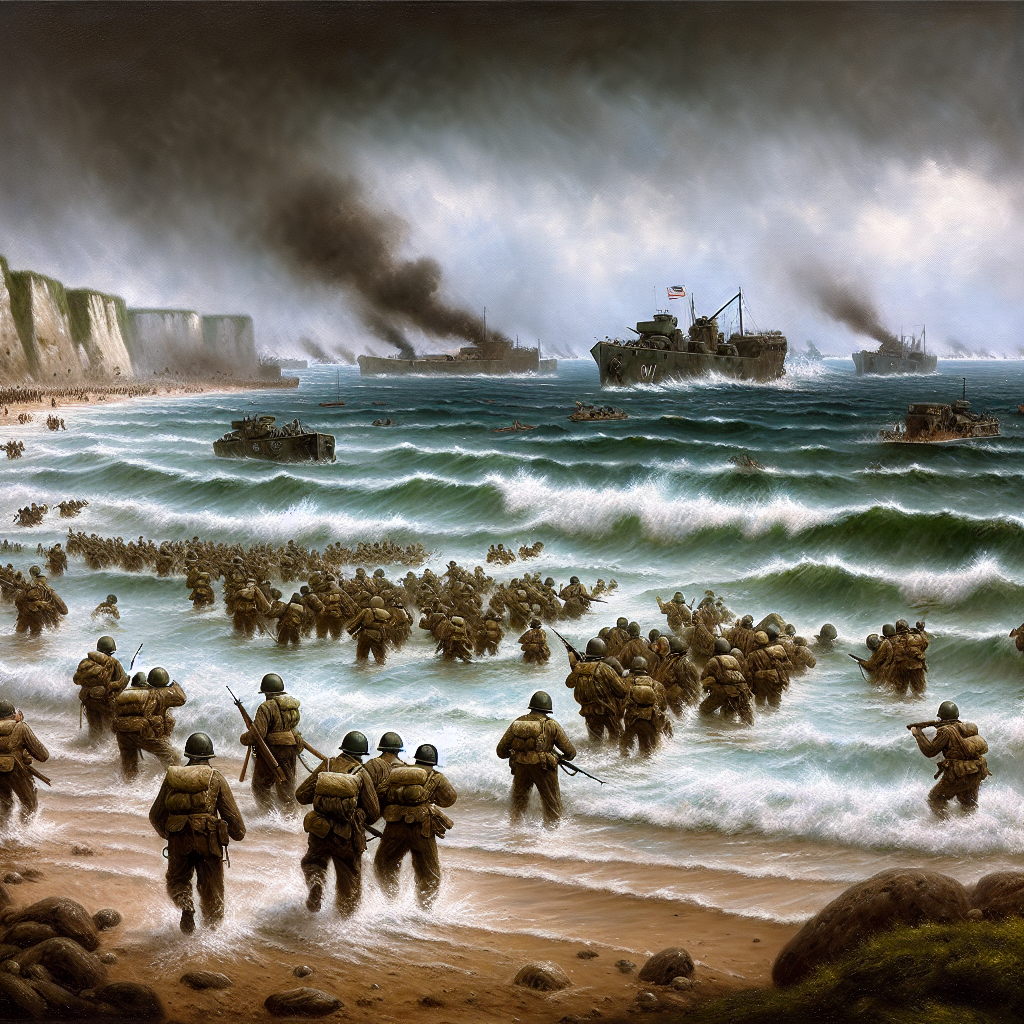
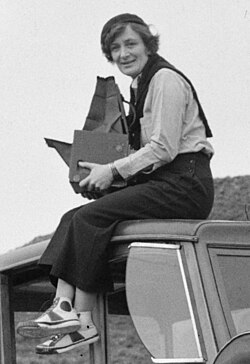
It could do this because rotogravure and faster film had made high-quality mass reproduction of photographs cheap at the same moment a generation of photographers came of age. Margaret Bourke-White shot the first cover at the Fort Peck Dam in Montana and later the liberation of Buchenwald. Robert Capa waded ashore with the infantry at Omaha Beach and produced the blurred, grain-torn frames that stand as the surviving visual record of the landing. Alfred Eisenstaedt made the Times Square photograph of a sailor and a nurse on the day Japan surrendered. Gordon Parks joined the staff in 1948 as its first Black photographer and stayed more than twenty years.
At its peak Life reached well over ten million copies a week and passed through many more hands, in barbershops, waiting rooms, and living rooms. For Americans who had never left their county, it was the primary means of seeing a sharecropper's kitchen in Alabama, a battlefield in the Pacific, a Paris runway, or the surface of the moon. That reach also carried an editorial hand — the magazine chose what the country looked at, and its picture of American life leaned white, prosperous, and suburban in ways later critics documented in detail.
Television took what Life had. The audience it had assembled for weekly pictures moved to a medium that delivered them nightly and free, national advertisers followed, and postal rate increases finished the arithmetic. The weekly ceased publication in December 1972, revived later as a monthly and then a special-issue title without recovering its place. For roughly thirty-five years, though, a single magazine functioned as the country's shared visual memory — the closest thing America had to a national photo album before the screen replaced the page.
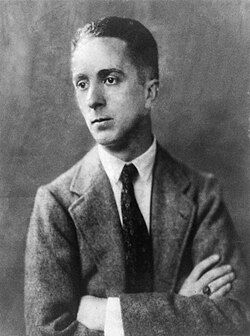
| Relaunched | November 23, 1936, by Henry R. Luce |
| Format | Oversized weekly picture magazine |
| Photographers | Margaret Bourke-White, Robert Capa, Alfred Eisenstaedt, Gordon Parks |
| First cover | Fort Peck Dam, Montana, by Bourke-White |
| Peak | More than ten million copies a week |
| Weekly ended | December 1972 |
| Date | 1936-1972 |
| Location | New York City |