The National Geographic Society
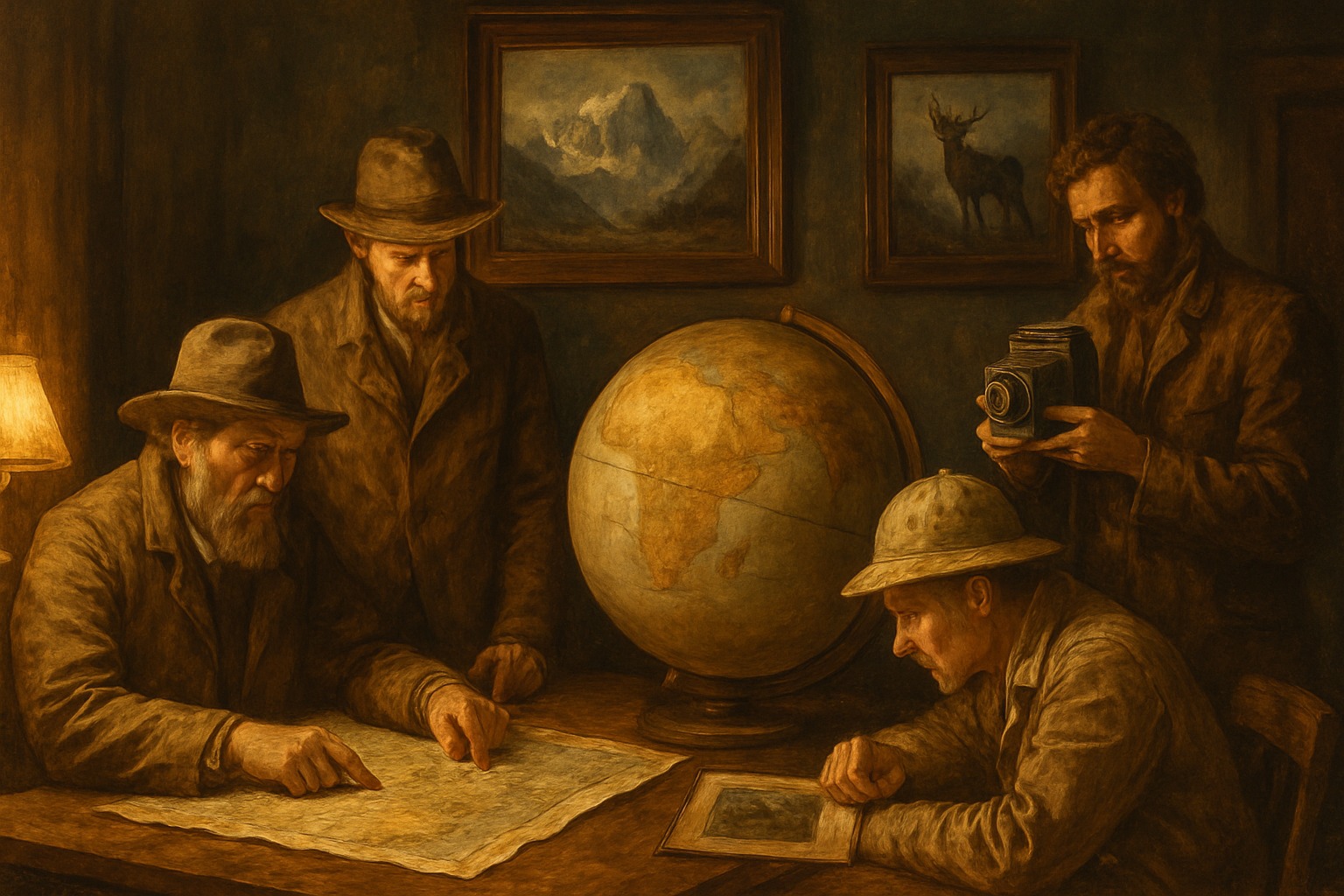
In 1888 a group of explorers, scientists, and geographers gathered in Washington to found the National Geographic Society, dedicated, in its words, to the increase and diffusion of geographic knowledge. Its chief instrument became one of the most recognizable publications in the world — a magazine bound in a yellow border, filled with vivid photographs and dispatches from the far corners of the earth that arrived each month in millions of American homes.
The Society did not merely report on the world; it helped explore it. It funded expeditions to the poles, the ocean depths, and the origins of humanity, backing figures from polar explorers to Jacques Cousteau and the fossil-hunting Leakey family. Its embrace of photography, and later of documentary film, made distant places and cultures vivid to Americans who would never see them, and it pioneered the popular presentation of science.
For generations the National Geographic magazine was a window on the world, shaping how Americans imagined foreign lands and peoples. That gaze was not without controversy, and the Society later reckoned with the way its early coverage had sometimes reflected the prejudices of its age. Yet its blend of science, exploration, and photography educated and inspired a vast public.
From a Washington society of gentlemen geographers to a global media and science institution, the National Geographic Society made the wider world a part of American life. Its history traces the popularization of science and exploration, and the powerful role that images and storytelling play in how a nation understands the planet it shares.


| Founded | 1888, Washington, D.C. |
| Mission | "Increase and diffuse geographic knowledge" |
| Signature | The yellow-bordered magazine |
| Funded | Exploration and scientific research |
| Note | A pioneer of popular science and photography |
| Date | Founded 1888 |
| Location | Washington, D.C. |