The National Archives
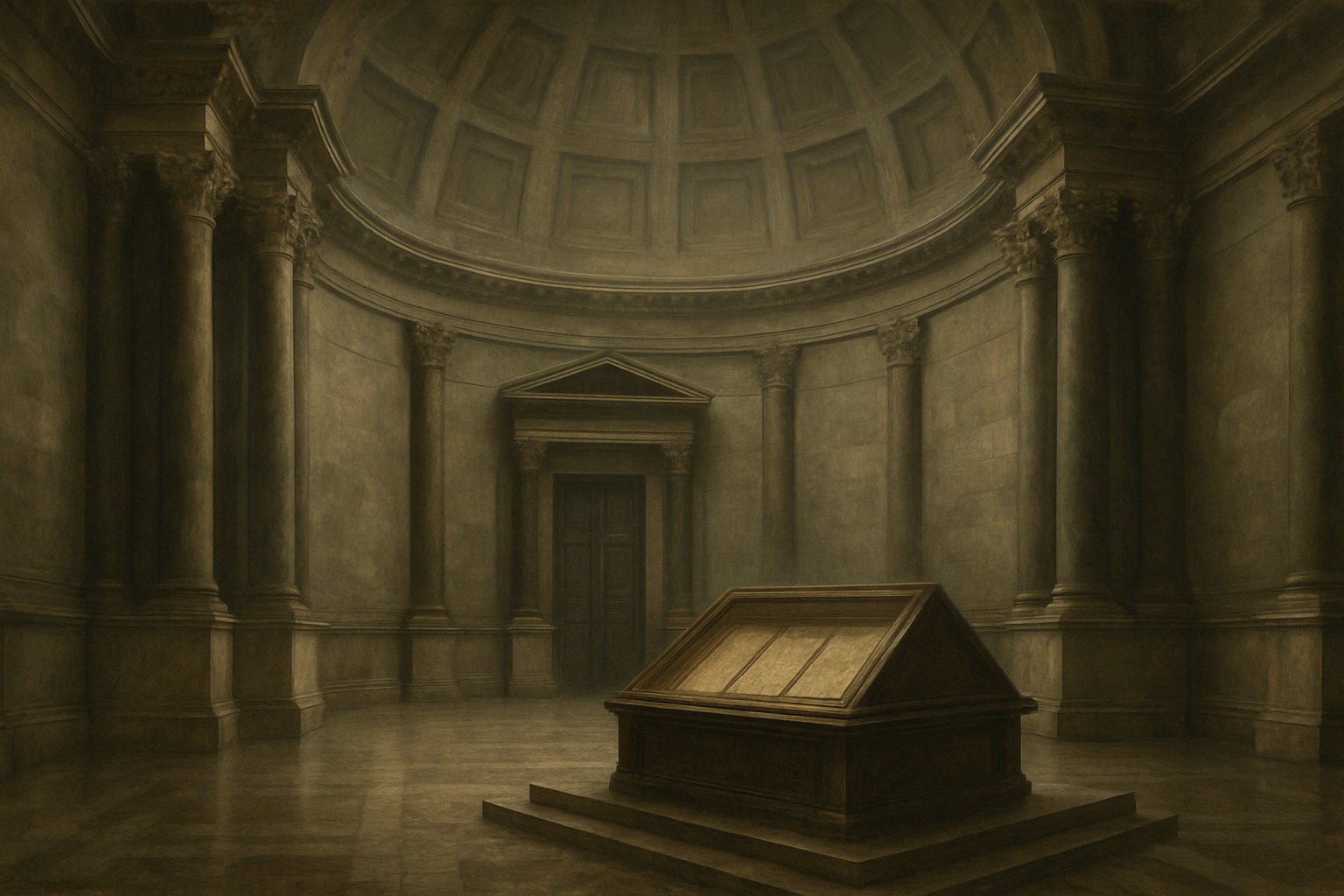
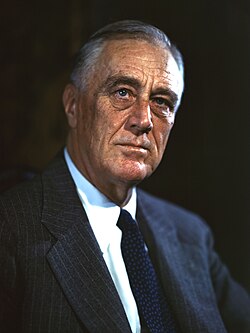
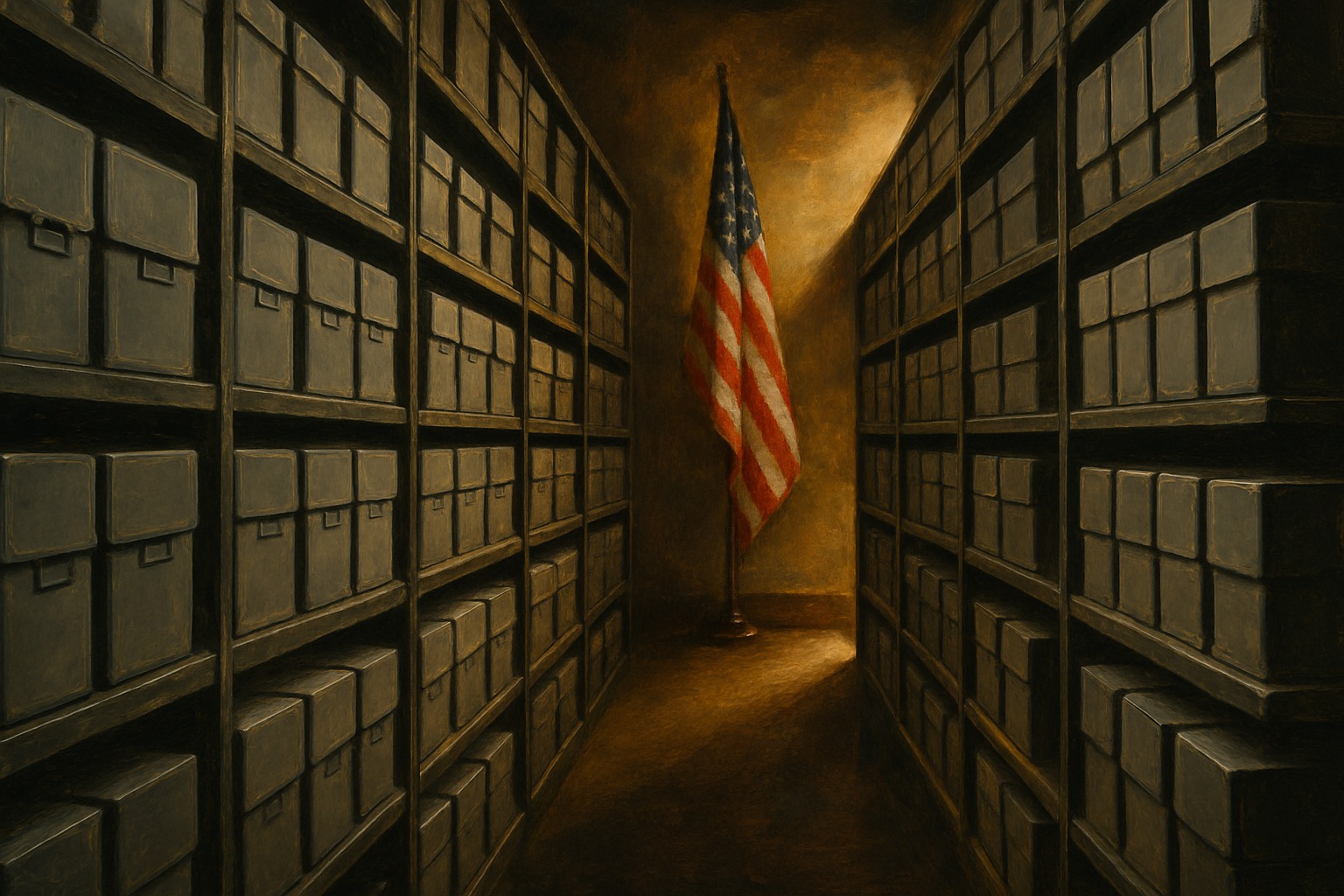
For most of American history the records of the federal government were scattered, neglected, and often lost to fire and damp in basements and attics across Washington. In 1934 President Franklin Roosevelt signed the act that created the National Archives to gather, preserve, and protect the permanent records of the United States. It made the nation, for the first time, a careful keeper of its own documentary memory.
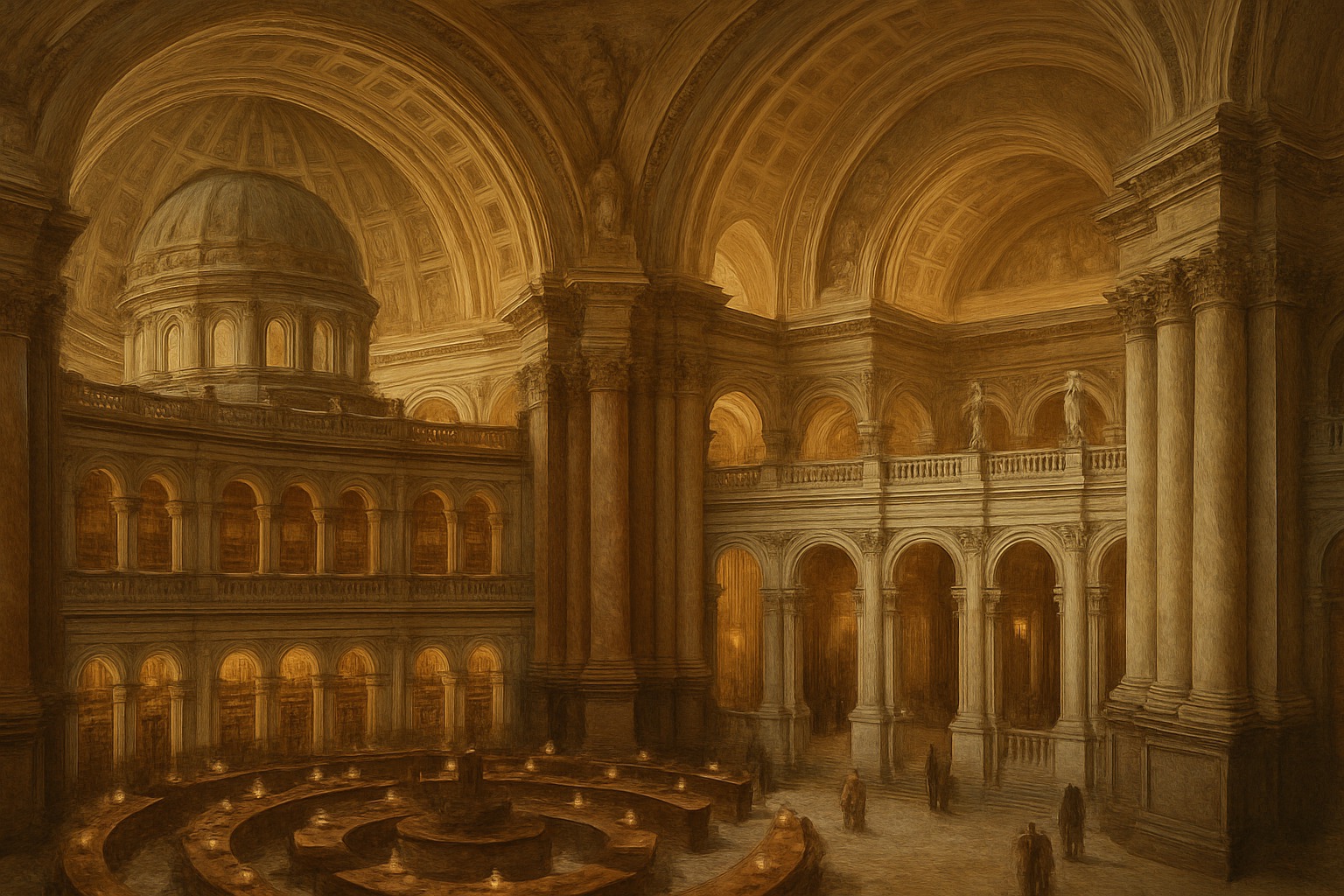
The Archives became the guardian of the country's founding texts. In the grand Rotunda of its Washington building, the Declaration of Independence, the Constitution, and the Bill of Rights — the Charters of Freedom — are displayed to millions of visitors, sealed in protective cases. Beyond those treasures it preserves billions of records, from census rolls and military files to photographs, maps, and the papers of the government's daily work.
The institution grew into far more than a warehouse. Now known as the National Archives and Records Administration, it runs the system of Presidential Libraries, oversees the declassification of secret documents, and serves the genealogists, historians, and journalists who mine its holdings. Its records are the raw material of accountability — the evidence by which citizens can hold their government to account.
Often called the nation's memory, the National Archives embodies the democratic idea that a government's records belong to the people it serves. Its history reflects a maturing republic's recognition that preserving the documents of the past is essential to understanding the present and safeguarding the future.
| Established | 1934 |
| Signed by | Franklin D. Roosevelt |
| Houses | The Declaration, Constitution, and Bill of Rights |
| Runs | The Presidential Libraries system |
| Role | Preserving the permanent federal records |
| Nickname | "The nation's memory" |
| Date | Established 1934 |
| Location | Washington, D.C. |