Apple
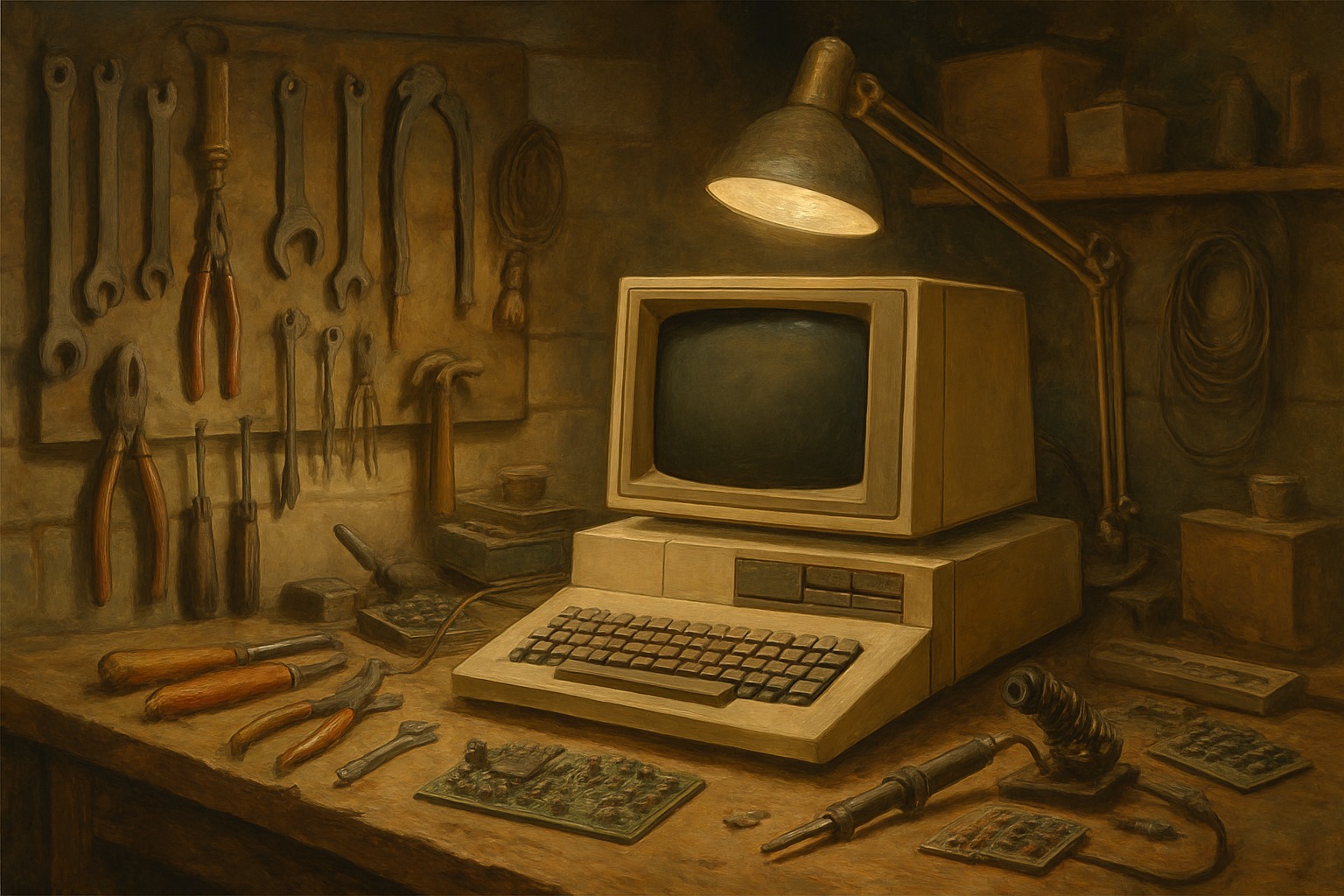
Apple began, by legend and largely in fact, in a California garage. In 1976 Steve Jobs and Steve Wozniak started building and selling personal computers, and the Apple II they released the next year helped turn the computer from a hobbyist's curiosity and a corporate mainframe into a machine an ordinary person might own. In 1984 the Macintosh introduced the graphical interface and the mouse to a mass market, making the computer something a person could use without learning to program it.
The company nearly did not survive its own success. Jobs was forced out in 1985, and over the following decade Apple drifted toward bankruptcy as rivals running Microsoft's software took over the industry. Jobs returned in 1997 and imposed a ruthless focus on design and simplicity that pulled the company back from the brink, betting that how a product looked and felt mattered as much as what it did.
That bet remade whole industries. The iPod in 2001 transformed how people bought and carried music, and the iPhone in 2007 put a powerful computer in a pocket and set off the smartphone era that reordered communication, media, and commerce. Apple rode these products to become, at times, the most valuable company in the world, its sleek devices as much cultural objects as tools.
Apple's dominance has made it a lightning rod as well as a marvel. Admired for its design and its integration of hardware and software, it has also drawn scrutiny over the labor conditions of its overseas suppliers, the tight control it keeps over its ecosystem, and its sheer market power. From a garage to a global colossus, its history traces the rise of the personal technology that now saturates daily life.

| Founded | 1976, Cupertino, California |
| Founders | Steve Jobs and Steve Wozniak |
| Breakthroughs | Apple II, Macintosh (1984), iPhone (2007) |
| Comeback | Jobs returned in 1997 |
| Note | Among the world's most valuable companies |
| Date | Founded 1976 |
| Location | Cupertino, California |