Mothers Against Drunk Driving
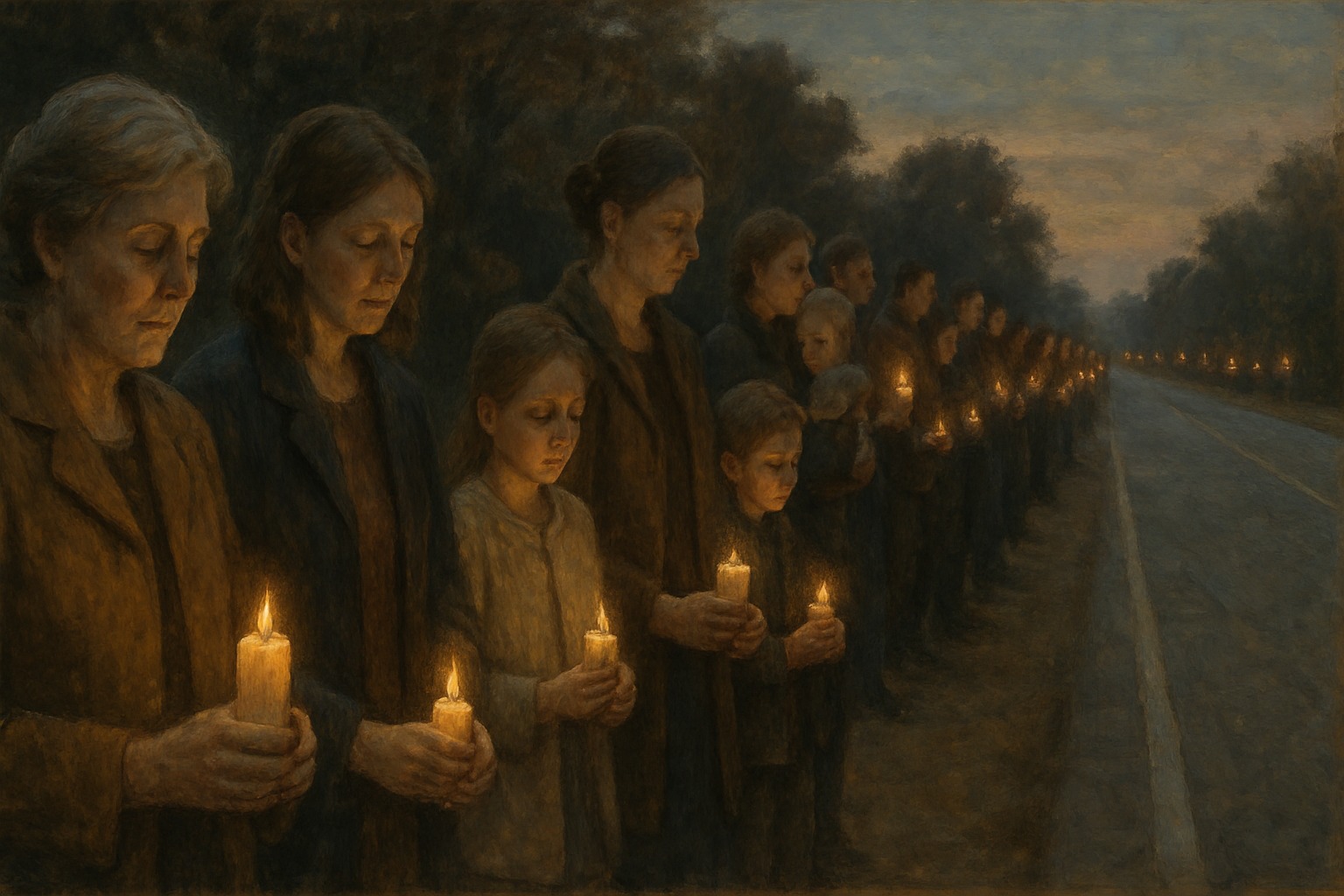
Mothers Against Drunk Driving began with a mother's grief. In 1980, after her thirteen-year-old daughter was killed by a repeat drunk-driving offender in California, Candy Lightner founded MADD to force the country to treat drunk driving not as an accident but as a crime. At the time, driving drunk was widely tolerated and lightly punished, and MADD set out to change both the law and the culture around it.
The organization proved that a single-issue movement built on the moral authority of victims could move quickly. MADD lobbied for tougher penalties, victim rights, and stricter enforcement, and it won a striking national victory when Congress, in the 1984 National Minimum Drinking Age Act, effectively forced every state to raise its legal drinking age to twenty-one. The group also helped make the designated driver a household phrase and a social norm.
The results were measurable. Drunk-driving deaths, which had been a routine feature of American roads, fell dramatically over the following decades, a decline that public-health researchers credited in significant part to the changes MADD helped bring about. The organization became a model for how grieving families could turn private loss into public policy.
Not everyone welcomed every step. Some critics argued that the raised drinking age or the group's later campaigns veered toward a new prohibitionism, a debate MADD's successes never entirely silenced. Yet its central achievement was undeniable: it took a form of everyday carnage that Americans had accepted and made it socially and legally intolerable, saving many thousands of lives.

| Founded | 1980 |
| Founder | Candy Lightner |
| Cause | Against drunk driving |
| Won | Drinking age raised to 21 (1984); tougher DUI laws |
| Result | A sharp drop in drunk-driving deaths |
| Note | Model of victim-driven advocacy |
| Date | Founded 1980 |
| Location | Fair Oaks, California |