The John Birch Society
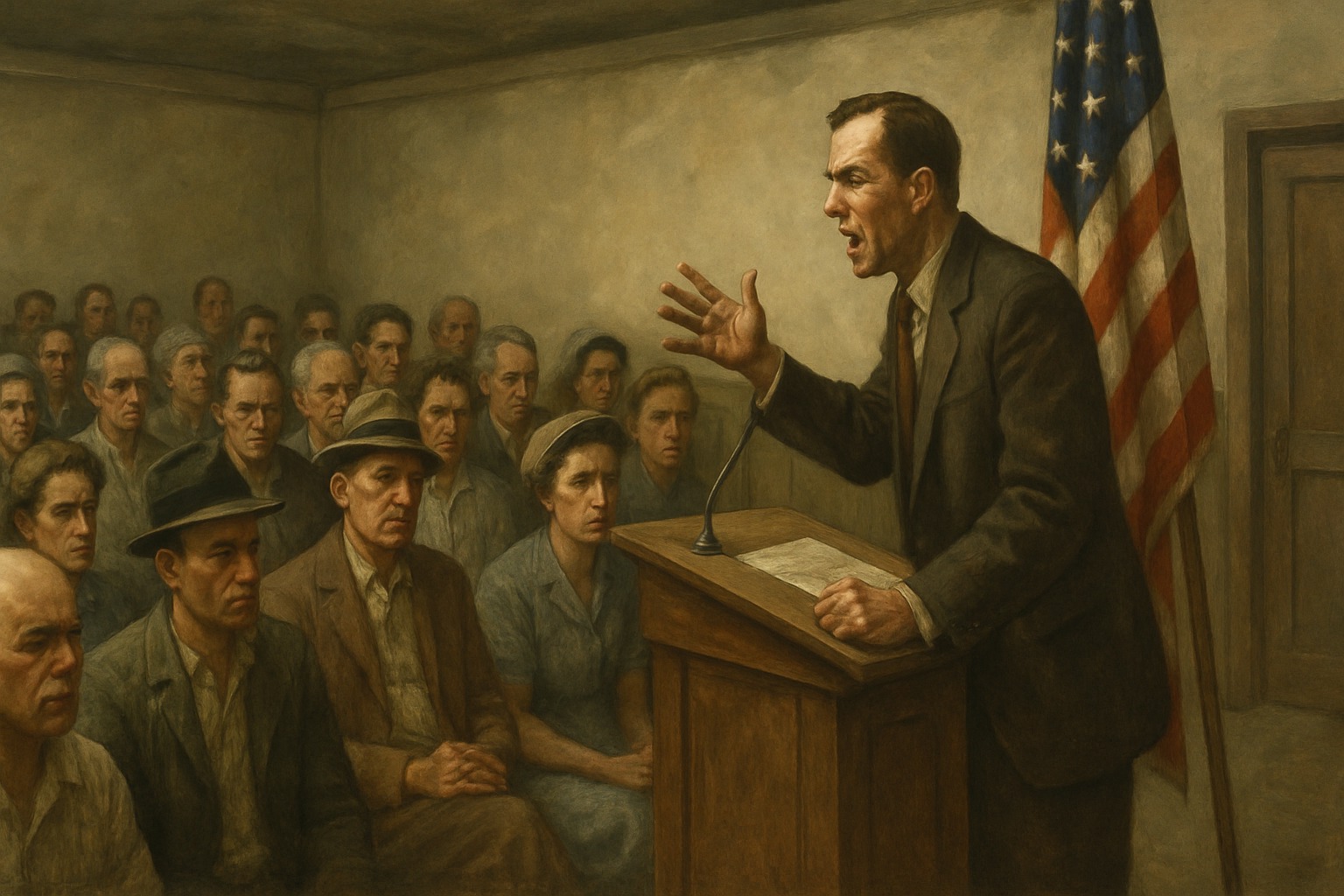
The John Birch Society was founded in 1958 by Robert Welch, a retired candy manufacturer who believed that communism was not merely a foreign threat but a conspiracy that had already burrowed deep into the American government. Named for an American missionary and intelligence officer killed by Chinese communists, the society organized its members into a network of local chapters to fight what it saw as a secret subversion of the republic from within.
Its politics were defined by conspiracy. Welch notoriously charged that even President Dwight Eisenhower was a dedicated agent of the communist conspiracy, and the society campaigned against the United Nations, the federal income tax, civil rights legislation, and the growth of the federal government, which it viewed as steps toward collectivist tyranny. Its literature and its secrecy gave it an air of menace that alarmed its opponents.
The Birch Society posed a dilemma for the American right. Its energy and grassroots organizing made it a force in conservative politics, but its conspiracy theories threatened to discredit the whole movement. In the early 1960s the conservative writer William F. Buckley Jr. and his magazine National Review moved deliberately to read the Birchers out of respectable conservatism, a purge widely credited with keeping the mainstream right electorally viable.
The society faded from prominence but never entirely disappeared, and its style — the belief in hidden conspiracies steering national events, and deep hostility to international institutions and the federal government — proved remarkably durable. Historians often trace a line from the John Birch Society to later strains of conspiratorial and populist politics on the American right.




| Founded | 1958, Indianapolis |
| Founder | Robert Welch |
| Cause | Militant anti-communism |
| Beliefs | Conspiracy theories; anti-UN, anti-federal government |
| Sidelined by | Buckley and National Review conservatives (1960s) |
| Date | Founded 1958 |
| Location | Indianapolis, Indiana |