The Brookings Institution
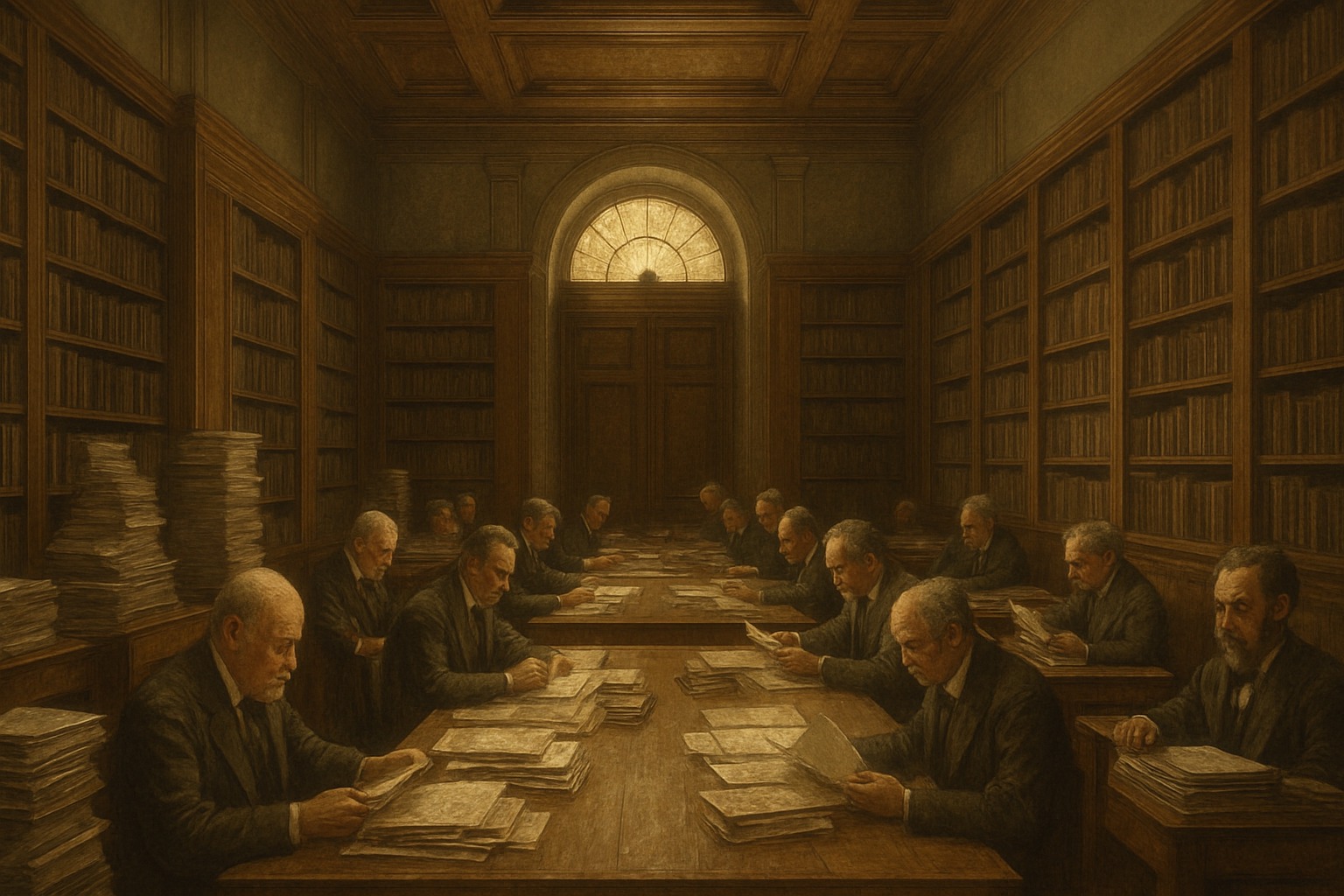
The Brookings Institution, whose roots reach back to the founding of the Institute for Government Research in 1916, is the oldest of the major American think tanks. Endowed by the St. Louis businessman Robert Brookings and reorganized under his name in 1927, it was built on a Progressive-era faith that government could be made more efficient and more just through rigorous, nonpartisan research by independent experts.
Brookings scholars left their mark on the machinery of government. The institution helped design the modern federal budget process, contributed ideas to the framing of the Marshall Plan and the postwar international order, and produced a steady stream of studies on economics, foreign policy, and social policy that lawmakers and administrations drew upon. A revolving door carried its experts into government and back.
Reputed to be nonpartisan but generally regarded as center-left, Brookings became the establishment counterpart to the more ideological think tanks that rose later on the right, such as Heritage. Together they defined a Washington ecosystem in which rival research institutions supply competing analyses and policy prescriptions, each claiming the authority of scholarship for its conclusions.
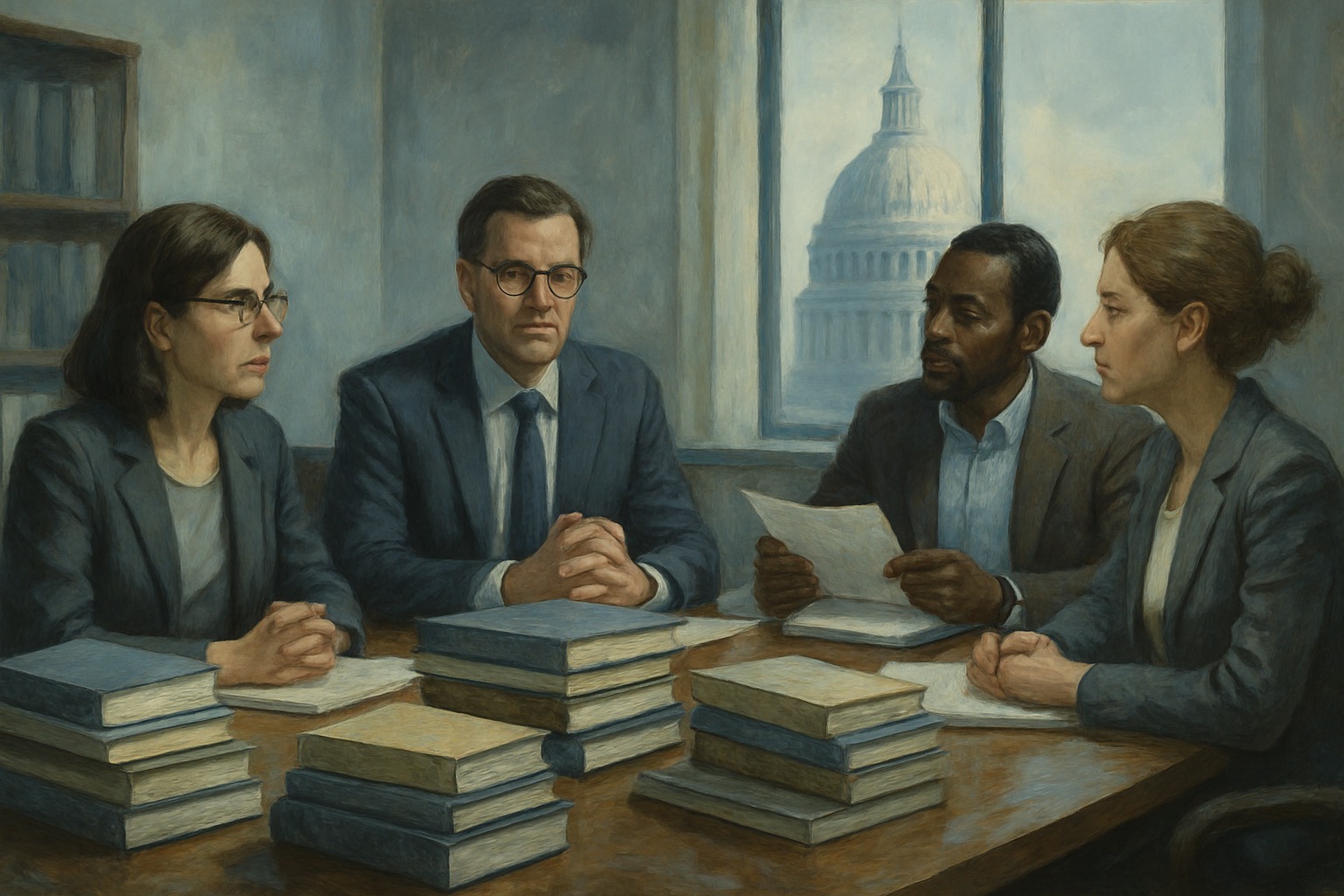
For more than a century the Brookings Institution has sat near the center of American policymaking, its studies shaping debates and its experts staffing administrations of both parties. Its history traces the emergence of the think tank as a fixture of modern governance — the idea that expert research, produced outside the government, should help guide what the government does.
| Founded | 1916 (Brookings from 1927) |
| Founder | Robert S. Brookings |
| Type | Public-policy think tank |
| Reputation | Nonpartisan; center-left |
| Influence | Federal budgeting, economic and foreign policy |
| Note | The oldest major U.S. think tank |
| Date | Founded 1916 |
| Location | Washington, D.C. |