The Withdrawal from Afghanistan
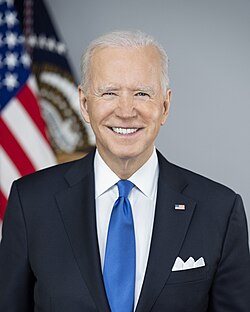
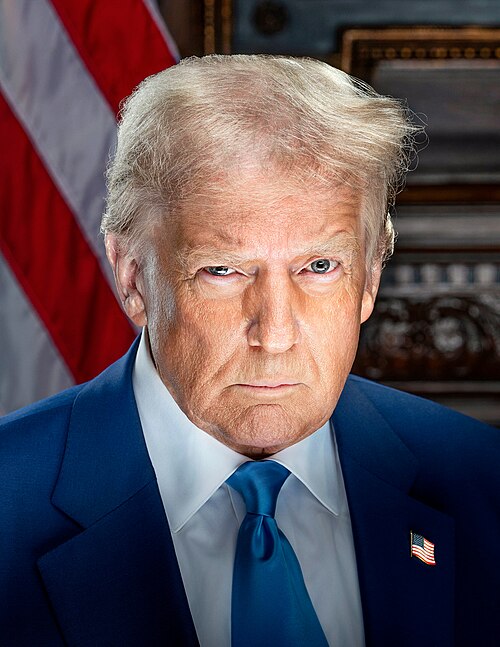
In February 2020 American negotiators signed an agreement with the Taliban in Doha. The United States would withdraw all forces by May 2021 and press for the release of 5,000 Taliban prisoners. The Taliban would keep al-Qaeda from using Afghan soil and open talks with the Afghan government, which had been shut out of the negotiations. Those talks went nowhere. President Trump cut American troop strength to 2,500 before leaving office, and in April 2021 President Biden announced that the remainder would come home by the end of August.
The Afghan army existed on paper as a force of roughly 300,000. In practice its rolls were padded with soldiers who drew pay and never served, its logistics depended on American contractors who departed with the troops, and its air support went with them. American forces slipped out of Bagram Airfield overnight on July 1 without telling the Afghan commander due to take it over. Provincial capitals began falling in early August, many surrendered by local commanders who negotiated rather than fight. On August 15 President Ashraf Ghani fled and the Taliban entered Kabul unopposed.
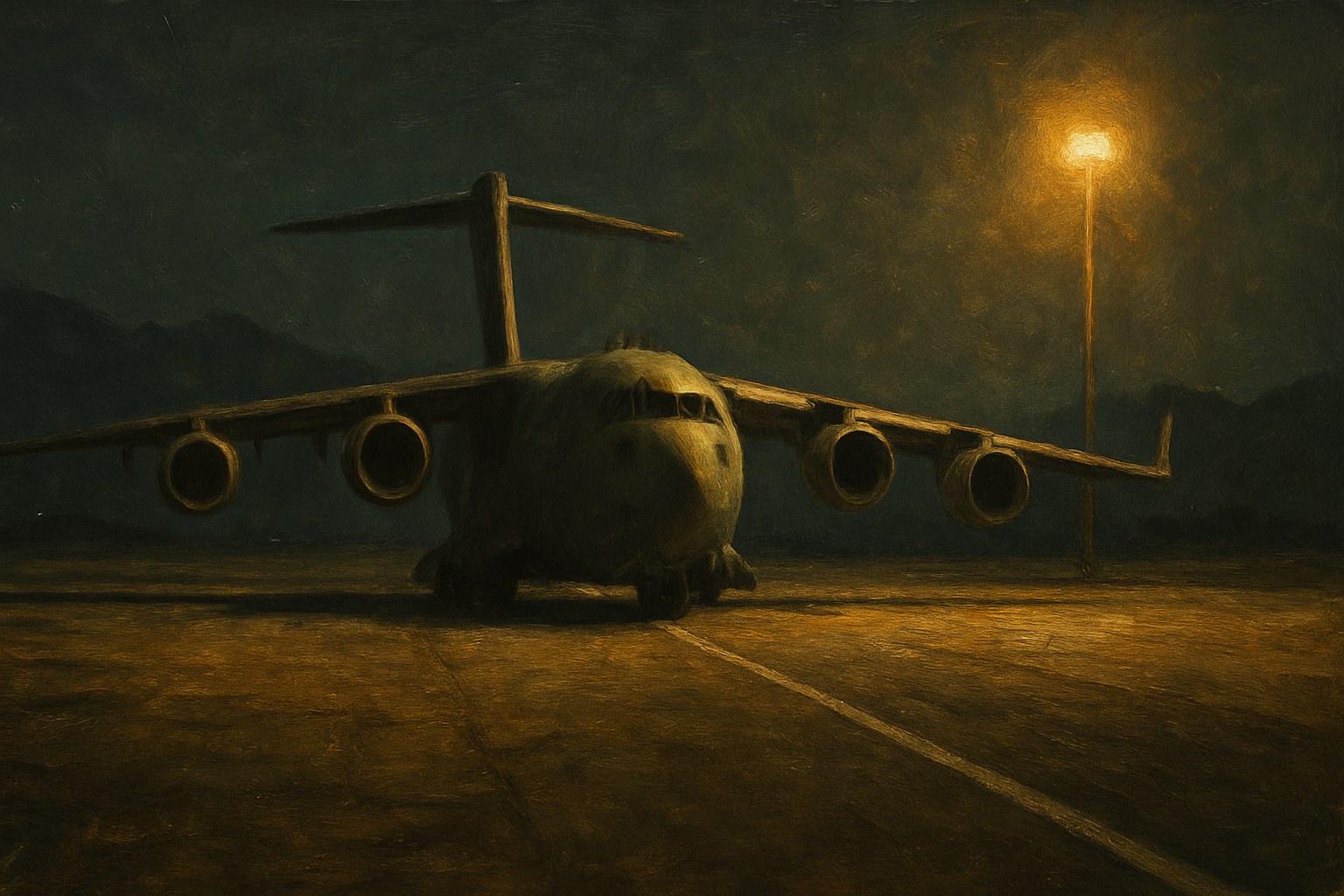
What followed was the largest airlift in American history, compressed into the seventeen days between August 14 and the final departure. Crowds surrounded Hamid Karzai International Airport, and some desperate Afghans clung to a transport aircraft as it rolled down the runway. Marines and paratroopers held the perimeter while roughly 124,000 people were flown out, among them tens of thousands of Afghans who had worked for the United States and many thousands who had not. On August 26 a suicide bomber from the Islamic State's Afghan affiliate struck the airport's Abbey Gate, killing thirteen American service members and about 170 Afghan civilians.
The last aircraft left on August 30, 2021, leaving behind Afghan allies who had not made it through the gates. Responsibility has been argued along partisan lines and does not divide cleanly. One administration negotiated the withdrawal agreement, legitimized the Taliban as a party to it, and drew forces down before leaving office. The next chose to honor the deadline over the objections of some military advisers and was slow to start evacuating Afghan allies. A State Department review in 2023 faulted both for planning that assumed far more time than the collapse allowed.

| Agreement | The Doha accord with the Taliban, February 29, 2020 |
| Collapse | Provincial capitals fell from August 6, Kabul on August 15, 2021 |
| Airlift | About 124,000 people flown out in seventeen days |
| Abbey Gate | Suicide bombing, August 26, 2021 — 13 U.S. troops and about 170 Afghans killed |
| Last flight | August 30, 2021 |
| Review | A 2023 State Department after-action report faulted both administrations |
| Date | August 2021 |
| Location | Kabul, Afghanistan |