The O.J. Simpson Trial
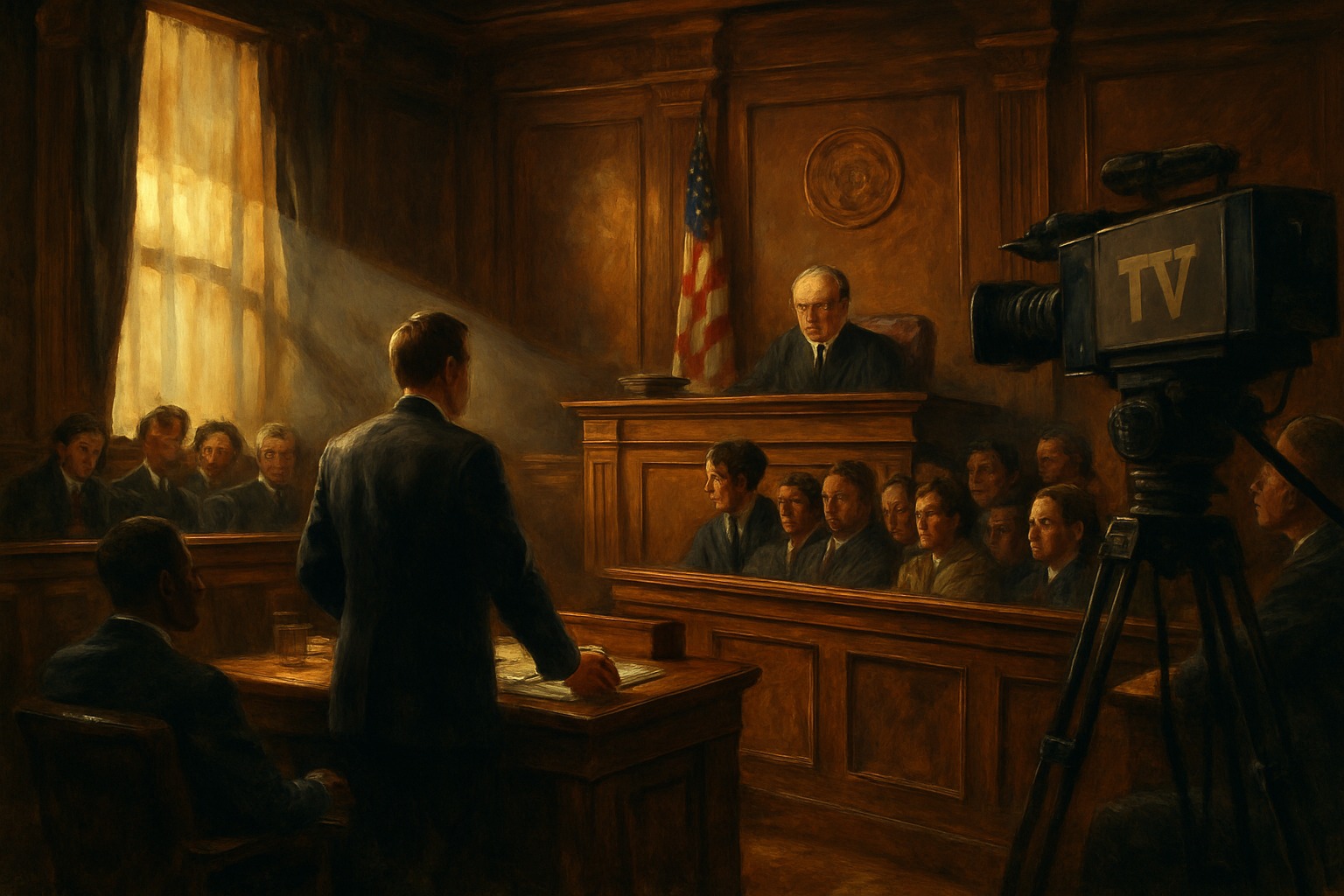
In 1995, the former football star and actor O.J. Simpson stood trial in Los Angeles for the murders of his ex-wife Nicole Brown Simpson and her friend Ronald Goldman, who had been found stabbed to death the previous June. Televised gavel-to-gavel, the trial became a national obsession, drawing audiences that rivaled major sporting events and turning the lawyers, judge, and witnesses into household names.
The case had begun with a surreal prelude: a slow-speed chase of Simpson's white Ford Bronco along Los Angeles freeways, watched live by some 95 million people. The trial that followed stretched over nearly nine months and featured a celebrated defense team, contested DNA evidence then still novel in courtrooms, and a now-iconic moment when Simpson appeared to struggle to fit his hand into a bloodied glove.
On October 3, 1995, the jury acquitted Simpson after only a few hours of deliberation. Polls taken at the time revealed a stark racial split in how Americans viewed the verdict: many Black Americans, mindful of a long history of police misconduct against their communities, saw a justified acquittal, while many white Americans saw a guilty man set free. A later civil jury found Simpson liable for the deaths.
The trial became a lasting cultural touchstone, examined for decades afterward in books, documentaries, and dramatizations. It crystallized debates about race and the criminal justice system, the power of celebrity, and the rise of round-the-clock television coverage that would reshape how the country consumed news.
| Defendant | O.J. Simpson |
| Charges | Murder of Nicole Brown Simpson and Ronald Goldman |
| Trial | Los Angeles, 1995, televised live |
| Verdict | Acquitted, October 3, 1995 |
| Civil Case | Later found liable for the deaths |
| Legacy | Exposed racial divisions over justice |
| Date | 1994–1995 |
| Location | Los Angeles, California |