Black Lives Matter
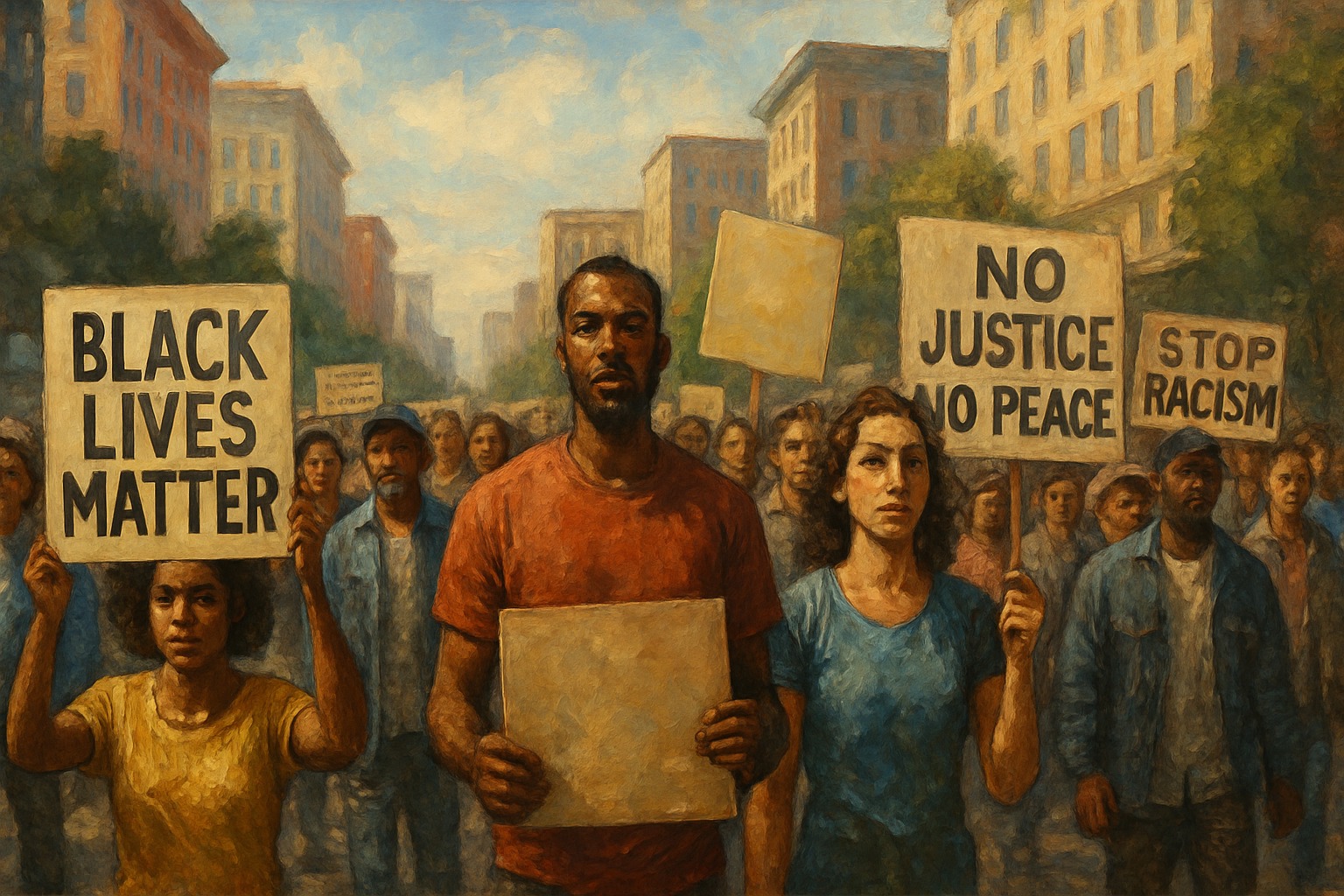
Black Lives Matter began in 2013 as a hashtag. After a Florida jury acquitted George Zimmerman in the shooting death of unarmed Black teenager Trayvon Martin, three Black organizers — Alicia Garza, Patrisse Cullors, and Opal Tometi — used the phrase on social media to express grief and defiance. It grew into a decentralized movement against systemic racism and police violence, organized largely online rather than through a single hierarchy or leader.
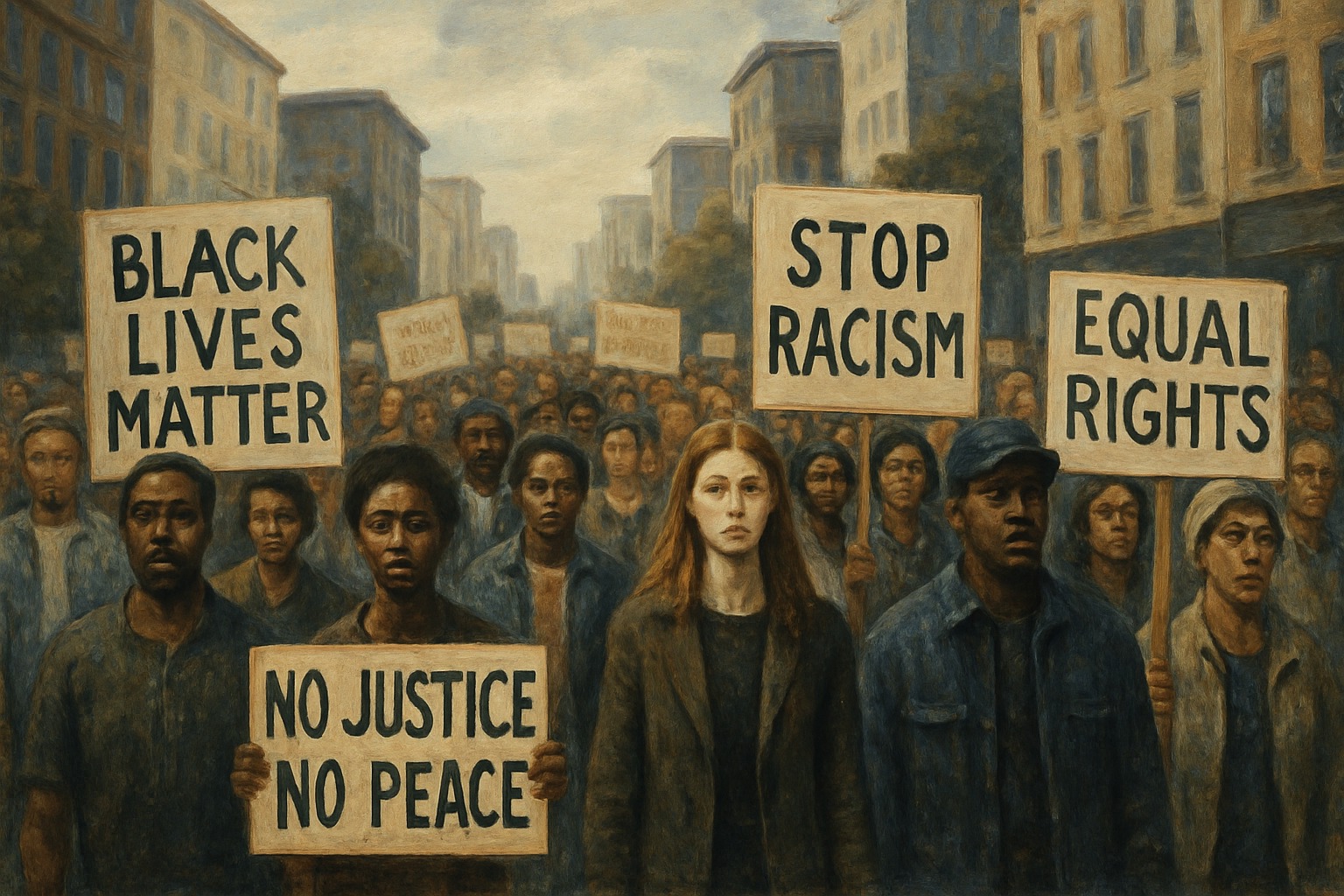
The movement first reached national prominence in 2014, when protests erupted in Ferguson, Missouri, after a police officer fatally shot Michael Brown, and again after the death of Eric Garner in New York. Its leaderless, network-driven structure — a deliberate departure from the top-down model of the 1960s civil rights movement — gave it flexibility and reach but also drew criticism that it lacked clear demands.
Black Lives Matter reached its peak in the summer of 2020, after the murder of George Floyd, when its message moved from the margins into corporate boardrooms, sports leagues, and everyday speech. Polls that summer showed majority support for the movement, an extraordinary shift for a cause that had been polarizing only a few years earlier.
That support later receded amid debates over tactics, the slogan "defund the police," and scrutiny of the movement's organizations and finances. Supporters credit it with permanently changing how Americans discuss race and policing; critics argue its concrete achievements fell short of its visibility. Either way, it stands as the defining protest movement of its generation.
| Founded | 2013 |
| Founders | Alicia Garza, Patrisse Cullors, Opal Tometi |
| Origin | Response to Trayvon Martin verdict |
| Structure | Decentralized, network-driven |
| Peak | Summer 2020, after George Floyd's murder |
| Focus | Systemic racism and police violence |
| Date | Founded 2013 |
| Location | United States |