We Choose to Go to the Moon
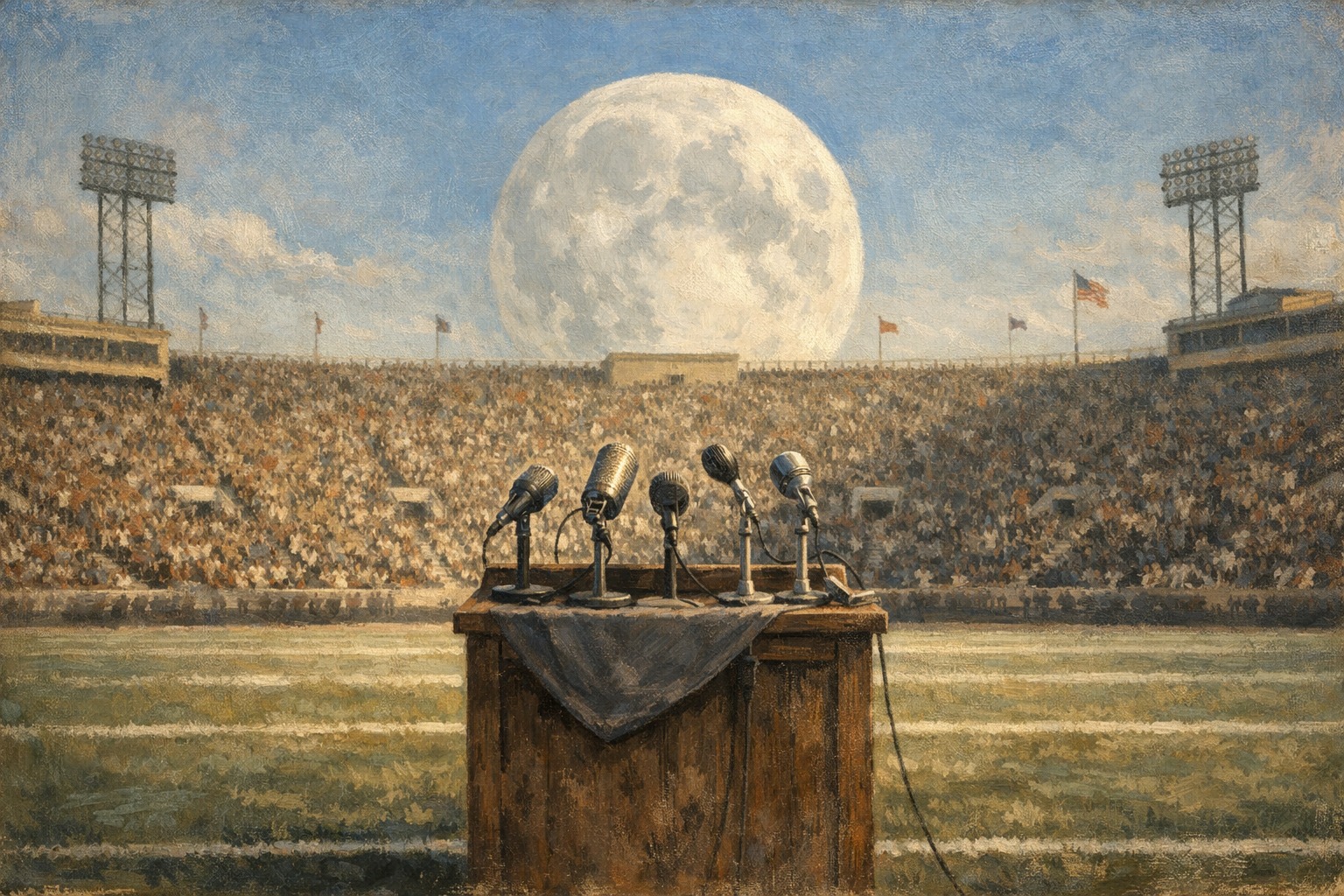
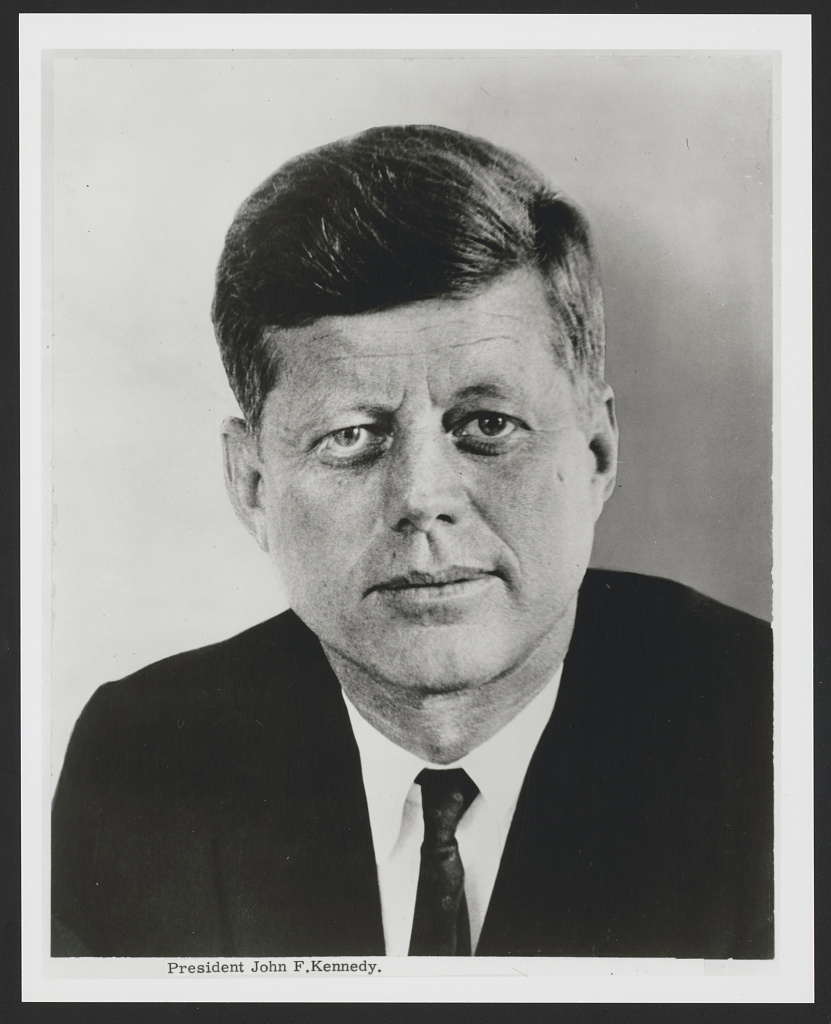
Kennedy had committed the country to landing a man on the moon in a speech to Congress in May 1961, weeks after Yuri Gagarin became the first human in orbit and days after the Bay of Pigs. The goal was expensive and its rationale hard to explain. Sixteen months later, in a hot stadium at Rice University in Houston, the city that would house NASA's new Manned Spacecraft Center, he made the public case.
He compressed fifty thousand years of human history into half a century to show how fast change was coming, and argued that the country that led in space would lead the world. Then came the passage people remember. "We choose to go to the moon in this decade and do the other things, not because they are easy, but because they are hard," he said, "because that goal will serve to organize and measure the best of our energies and skills."
The crowd of about forty thousand laughed at his aside about the football rivalry. "But why, some say, the moon? Why choose this as our goal?" he asked. "And they may well ask why climb the highest mountain? Why, thirty-five years ago, fly the Atlantic? Why does Rice play Texas?" He was candid about the cost, which he put at more than the space budget had been in all the previous eight years combined.
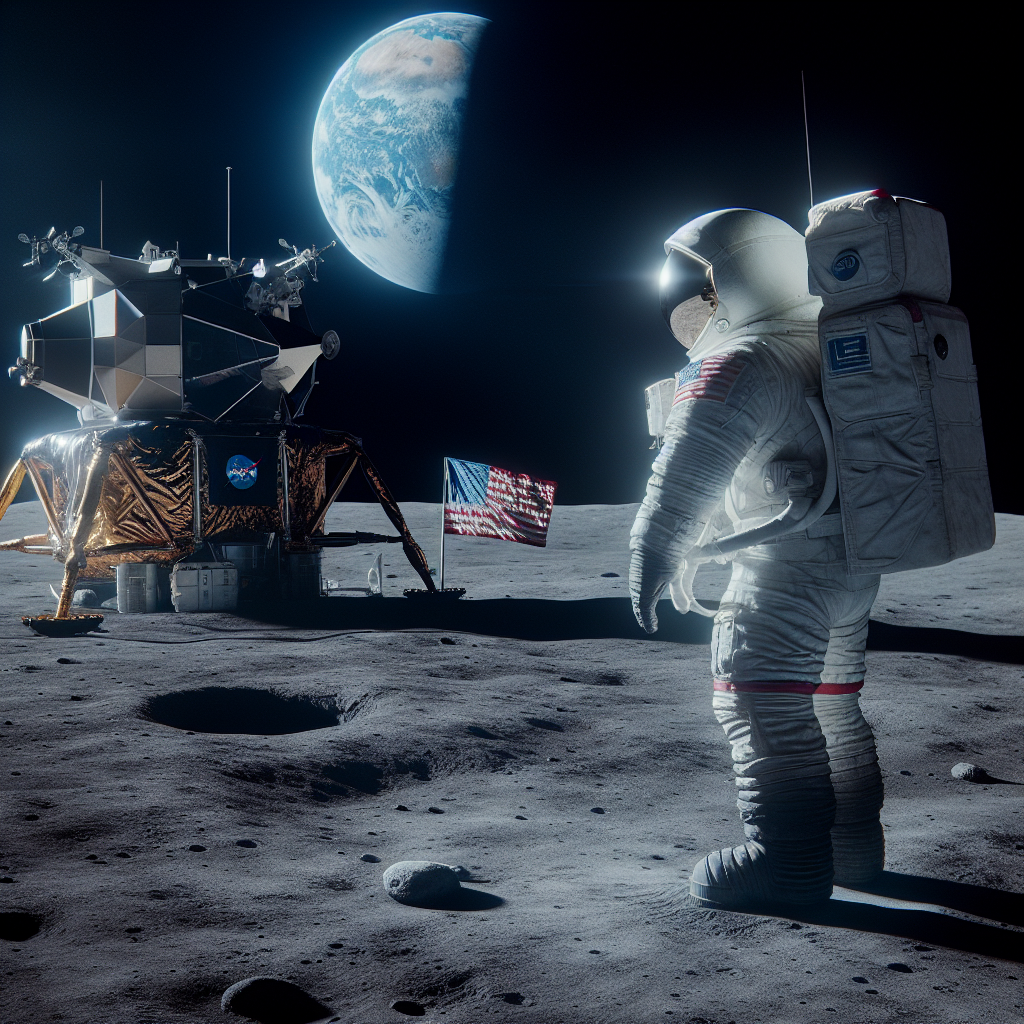
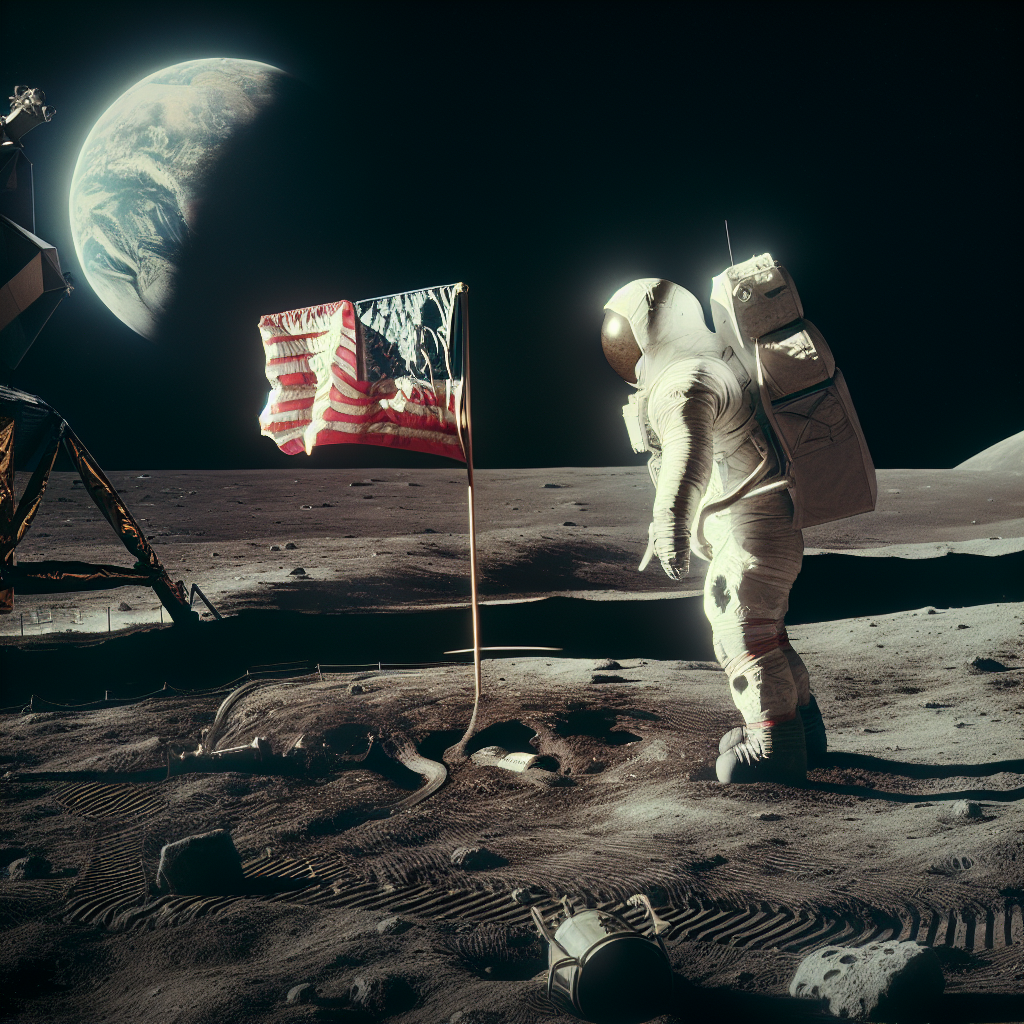
In private Kennedy wondered whether the program was worth it, and he later floated the idea of a joint mission with the Soviets. But the speech became the mission's charter. When Apollo 11 landed in July 1969, five and a half years after his assassination, the goal he had set in Houston was met within the decade he had named.
| Speaker | President John F. Kennedy |
| Date | September 12, 1962 |
| Place | Rice Stadium, Houston, Texas |
| Audience | About 40,000 |
| Goal first set | Address to Congress, May 25, 1961 |
| Goal met | Apollo 11, July 20, 1969 |
| Date | September 12, 1962 |
| Location | Rice Stadium, Houston, Texas |