The House Divided Speech
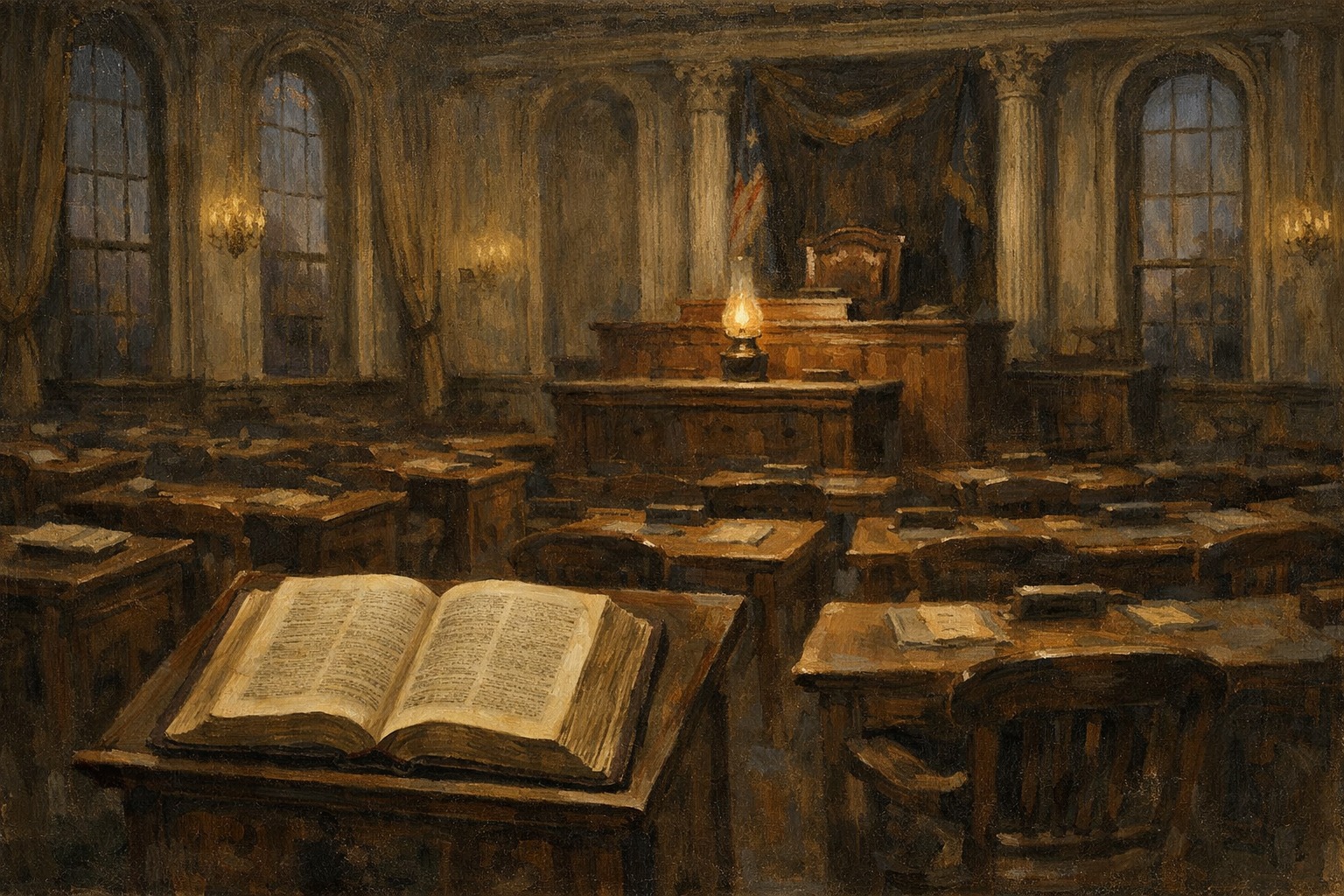
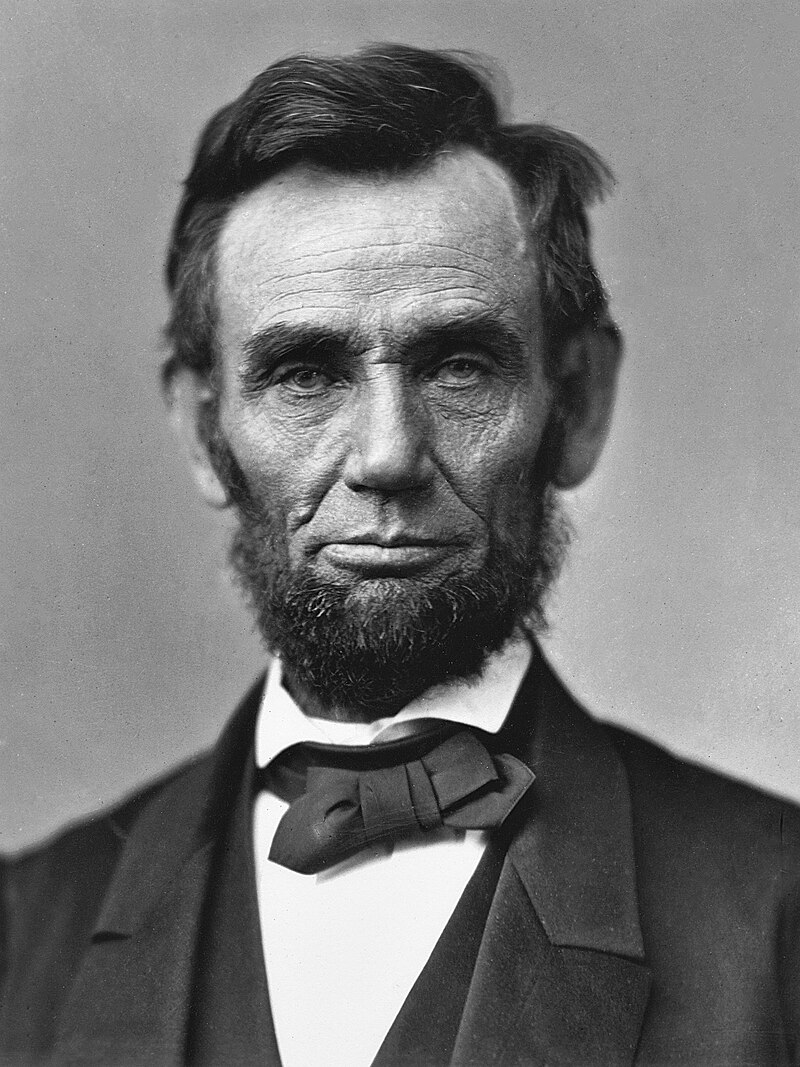
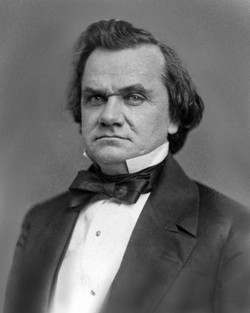
Abraham Lincoln was a one-term former congressman when the Illinois Republican convention named him its candidate for the United States Senate in June 1858. His opponent would be Stephen A. Douglas, the most powerful Democrat in the country and the author of the Kansas-Nebraska Act. Lincoln used his acceptance speech in the hall of the State Capitol at Springfield to frame the contest as a choice about the future of the nation, not of a single Senate seat.
He opened with a line from the Gospel of Mark. "A house divided against itself cannot stand." The government, he said, could not endure permanently half slave and half free. He did not expect the Union to dissolve or the house to fall, but he did expect it to stop being divided. It would become all one thing or all the other — either opponents of slavery would arrest its spread and place it on the road to ultimate extinction, or its advocates would push it forward until it was lawful in every state, old as well as new.
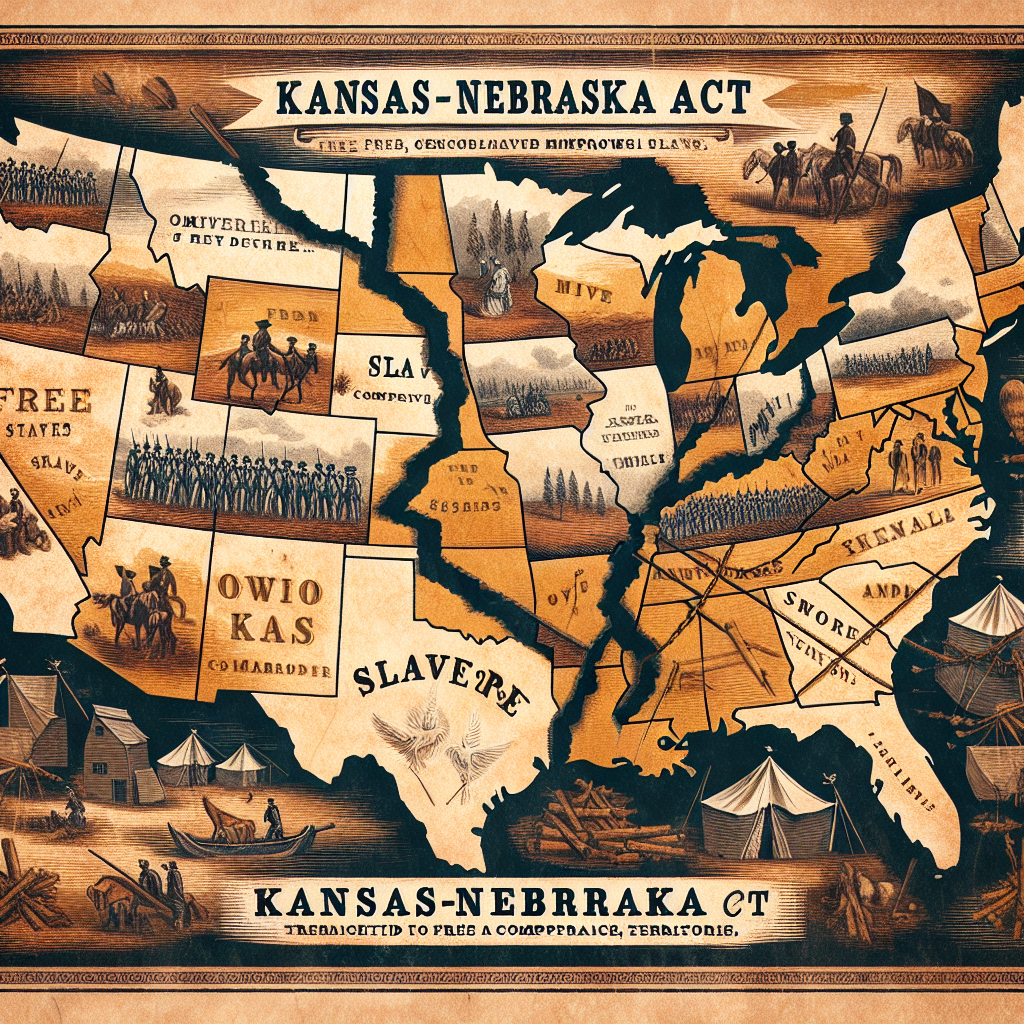
The second half of the speech was an indictment. Lincoln walked through the Kansas-Nebraska Act and the Dred Scott decision and argued that they fit together like the timbers of a frame built by "Stephen, Franklin, Roger and James" — Douglas, Presidents Pierce and Buchanan, and Chief Justice Taney. The only missing piece, he warned, was a second ruling declaring that no state could exclude slavery at all.
Friends who read the draft told Lincoln it was too radical, and some later blamed it for his defeat when the legislature returned Douglas to the Senate in January 1859. But the speech and the seven debates that followed made Lincoln a national figure. Southern leaders quoted the house-divided passage for years as proof of Republican intentions, and when Lincoln won the presidency in 1860 they treated his election as a reason to leave the Union.
| Speaker | Abraham Lincoln |
| Date | June 16, 1858 |
| Occasion | Accepting the Illinois Republican nomination for U.S. Senate |
| Source of the phrase | Mark 3:25 |
| Opponent | Stephen A. Douglas |
| Outcome | Lincoln lost the Senate race but gained a national audience |
| Date | June 16, 1858 |
| Location | Illinois State Capitol, Springfield |