The Great Seal of the United States
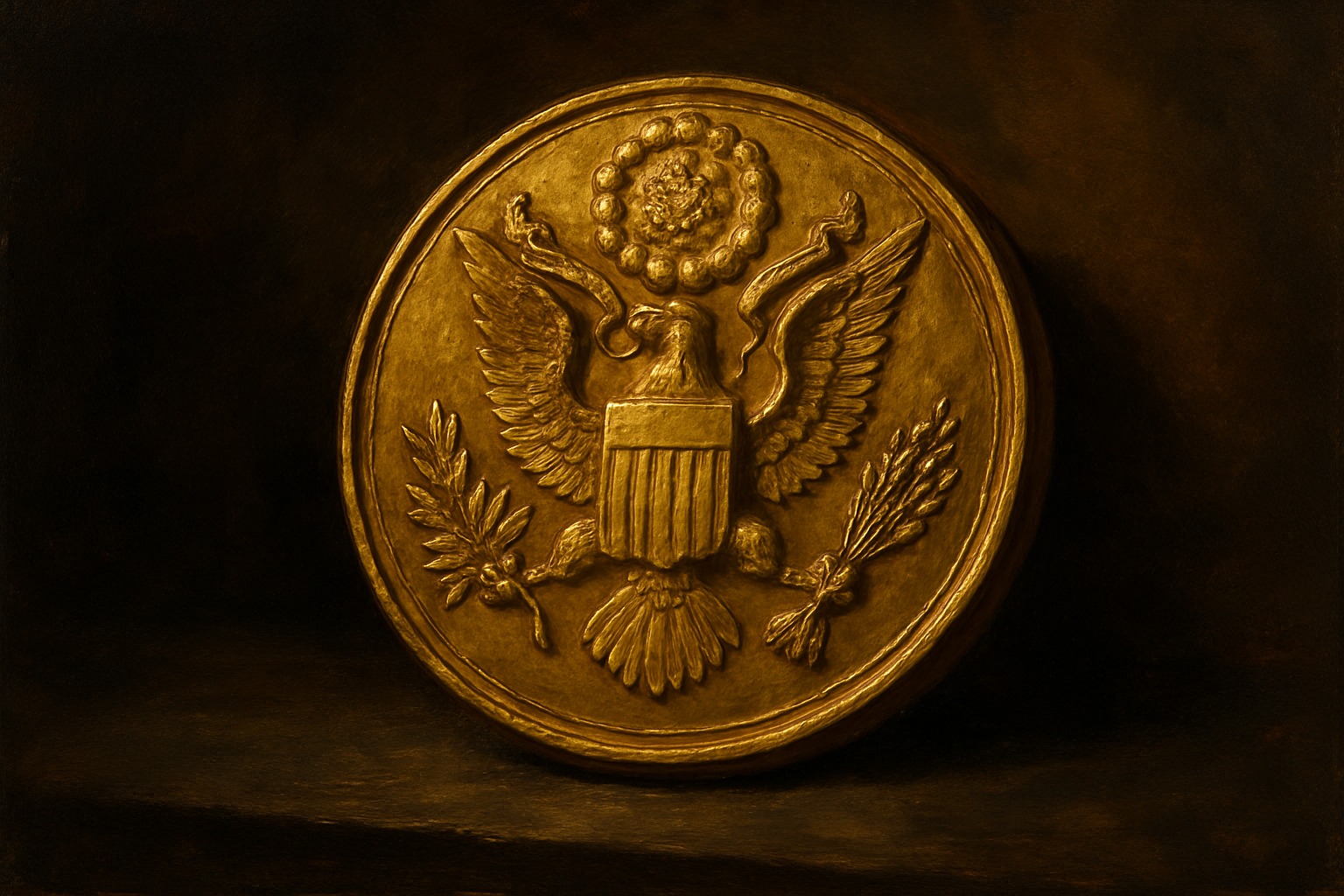
On the very day it declared independence, July 4, 1776, the Continental Congress appointed Benjamin Franklin, John Adams, and Thomas Jefferson to design a seal for the new nation. It proved harder than expected. Their proposals were rejected, two more committees tried and failed, and only in 1782 did Congress adopt a final design, assembled by Secretary Charles Thomson from the best ideas of six years of work.
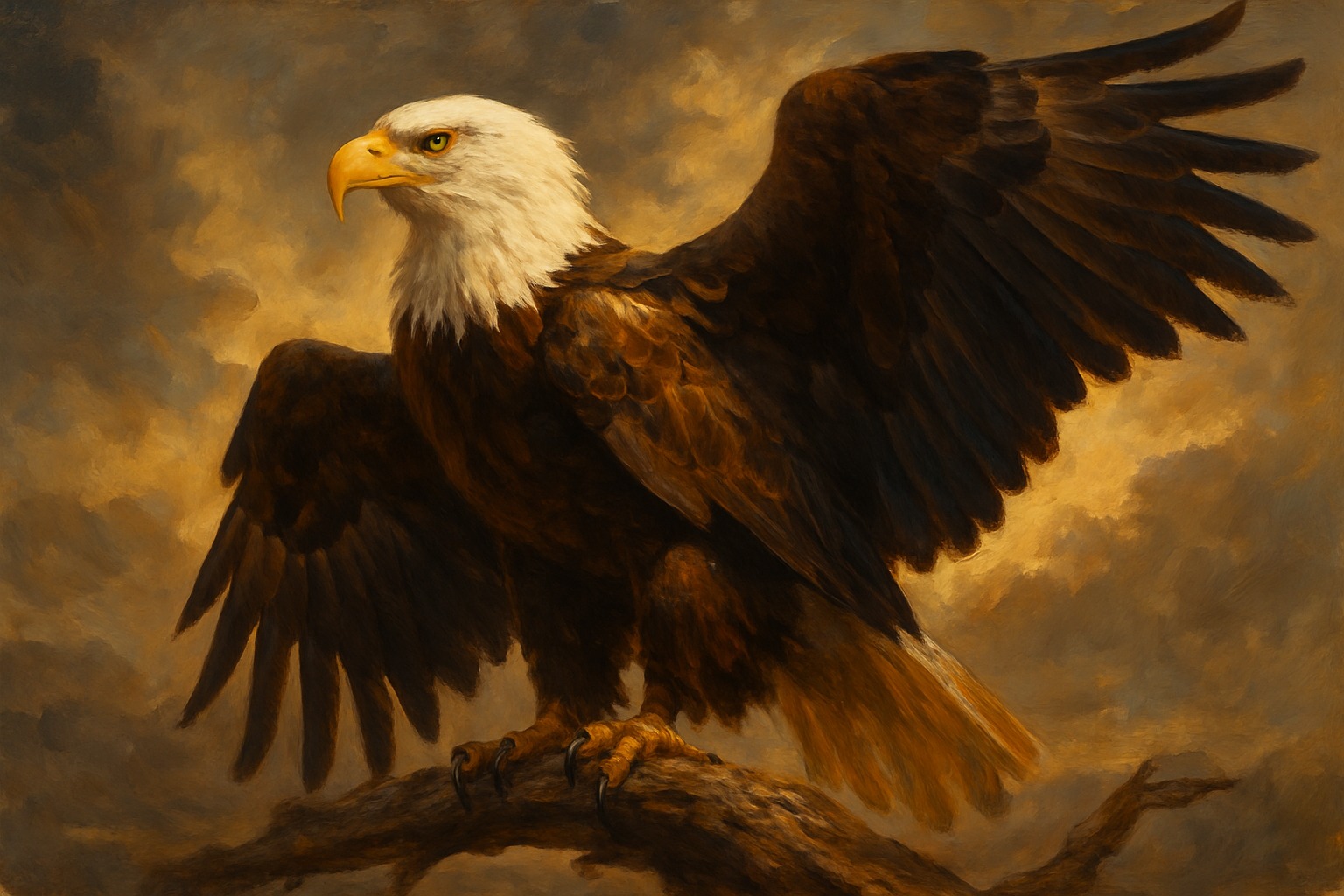
The front, or obverse, centers on the bald eagle, wings spread, clutching an olive branch of peace in one talon and a bundle of thirteen arrows of war in the other — its head turned toward peace. In its beak it holds a ribbon reading "E Pluribus Unum," Latin for "Out of Many, One," a motto for thirteen colonies become one country. Above are thirteen stars; on its breast, a shield of thirteen stripes.
The reverse is stranger and rarely seen: an unfinished pyramid of thirteen courses topped by the Eye of Providence, with the mottoes "Annuit Coeptis" ("He has favored our undertakings") and "Novus Ordo Seclorum" ("A New Order of the Ages"). The pyramid is left incomplete to suggest a nation still building itself. Both sides of the seal appear on the back of the one-dollar bill, where the design reaches more hands than anywhere else.
The Great Seal is not merely decorative. The physical seal, kept by the Secretary of State, is still pressed into the most solemn documents the government issues — treaties, commissions, and ratifications — making it the official mark of the United States itself. Its eagle and motto have become, in turn, the basis for countless other government emblems and the bald eagle's place as the national bird.
| Adopted | June 20, 1782, after six years of design |
| Obverse | Bald eagle with olive branch and 13 arrows |
| Motto | "E Pluribus Unum" — Out of Many, One |
| Reverse | Unfinished pyramid and the Eye of Providence |
| Kept by | The Secretary of State |
| Date | Adopted June 20, 1782 |