Henry Kissinger
Nixon and Ford's chief diplomat, credited with détente and faulted over Cambodia and Chile
Henry Kissinger was the most influential American diplomat of the Cold War era and one of its most debated. He was born Heinz Alfred Kissinger on May 27, 1923, in Fürth, Germany, to a Jewish family that fled Nazi persecution and settled in New York City in 1938. Drafted into the U.S. Army in 1943, he became a citizen that year and served in Europe with the 84th Infantry Division and in counterintelligence. After the war he earned his undergraduate and doctoral degrees at Harvard, where he joined the faculty. His 1957 book Nuclear Weapons and Foreign Policy made his name, and he advised several presidents and Nelson Rockefeller before Richard Nixon chose him as national security adviser in 1969.
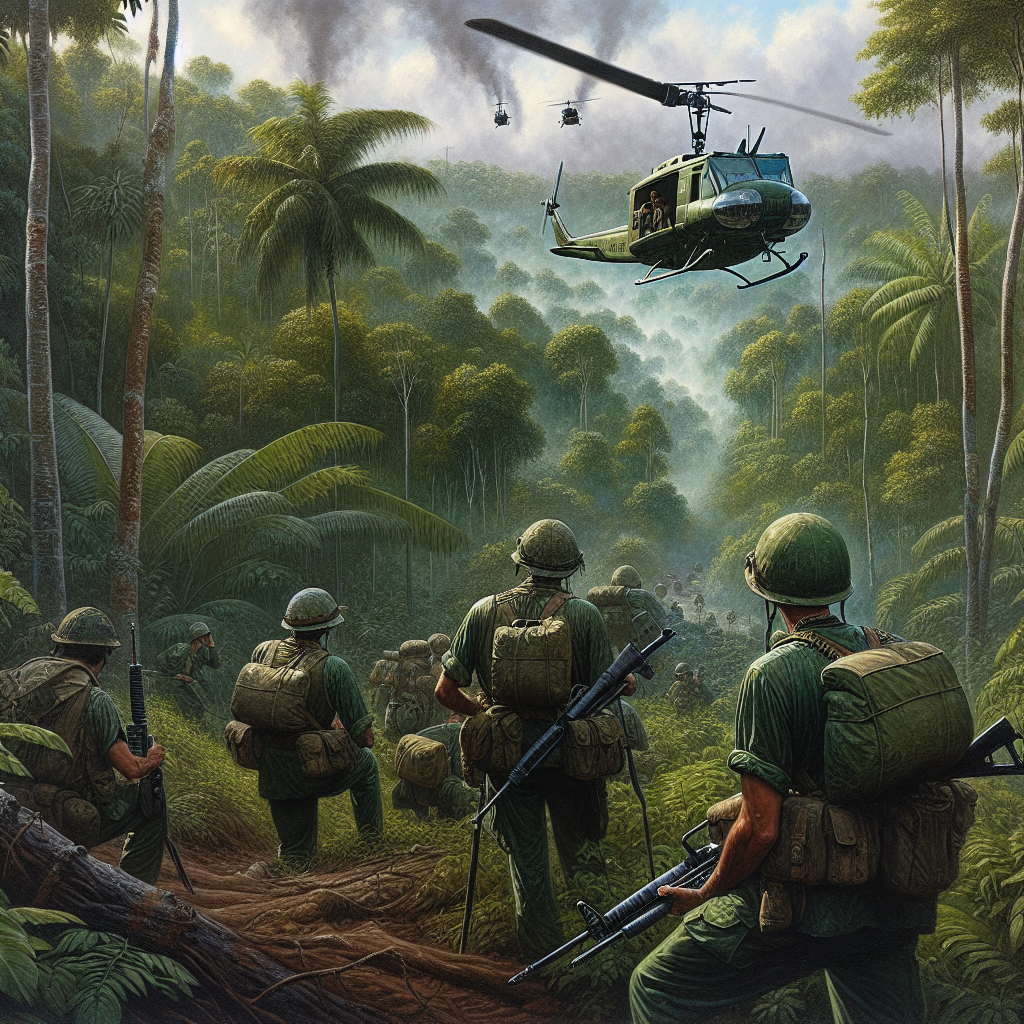
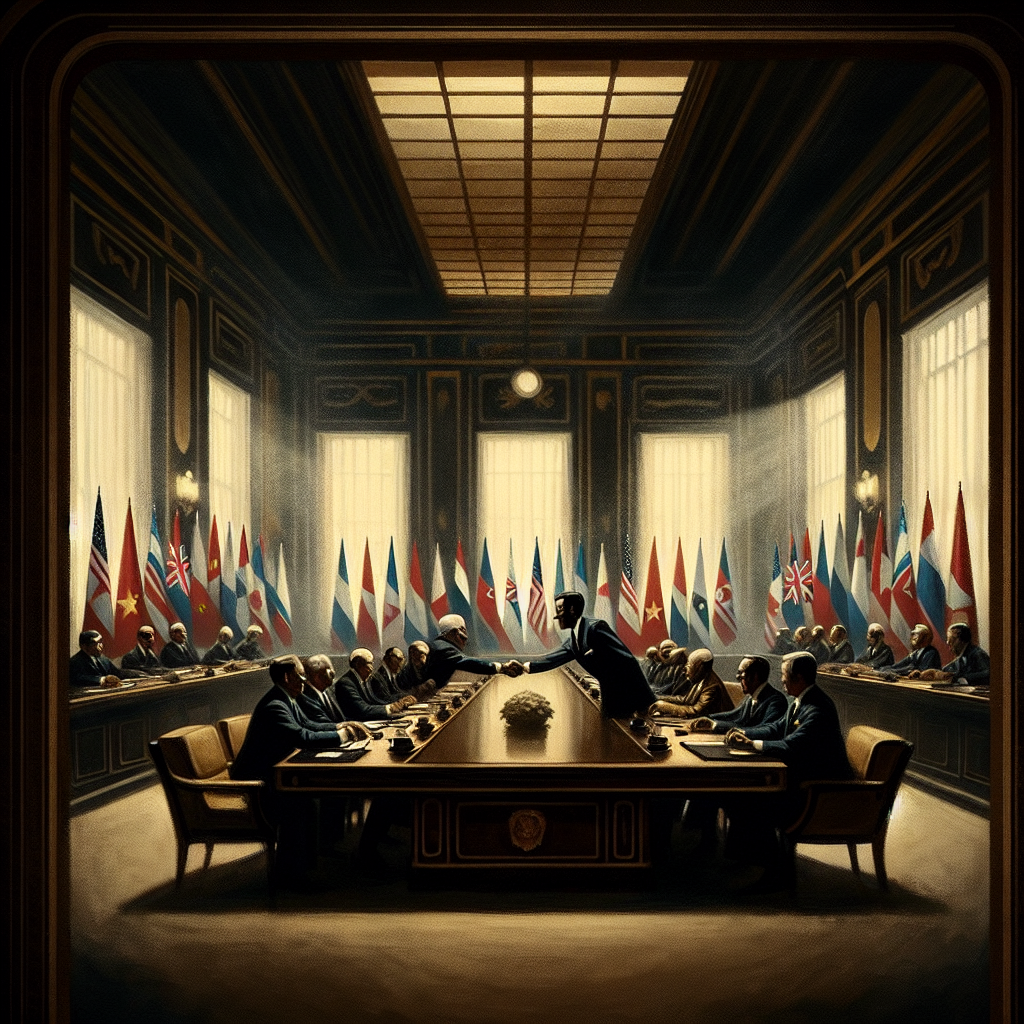
Kissinger and Nixon practiced what both called realism, putting the balance of power ahead of ideology. Kissinger made a secret trip to Beijing in July 1971 that prepared the way for Nixon's visit to China in February 1972. That May, Nixon and Soviet leader Leonid Brezhnev signed the SALT I arms agreements, a high point of the policy of détente. Kissinger negotiated the Paris Peace Accords of January 1973, which ended direct U.S. combat in Vietnam, and shared the 1973 Nobel Peace Prize with North Vietnam's Le Duc Tho, who declined it. Named secretary of state in September 1973, he used "shuttle diplomacy" after that year's Arab-Israeli war to produce disengagement agreements between Israel and its neighbors.
His record also drew lasting criticism. Kissinger helped direct the secret bombing of Cambodia that began in 1969, supported wiretaps on his own staff and on journalists, and backed covert efforts against Chile's elected Marxist president, Salvador Allende, who died in a 1973 coup. Critics also point to U.S. support for Pakistan during its 1971 crackdown in what became Bangladesh and to American acceptance of Indonesia's 1975 invasion of East Timor. Defenders credit him with opening relations with China, easing tensions with the Soviet Union, and laying groundwork for later Middle East peace. He stayed on as secretary of state under Gerald Ford until January 1977 and received the Presidential Medal of Freedom that year.
Out of office, Kissinger remained a prominent voice on world affairs for more than four decades. He founded the consulting firm Kissinger Associates in 1982, chaired a presidential commission on Central America in 1983, and wrote a long series of books, including Diplomacy (1994) and World Order (2014). Presidents of both parties sought his advice, and he kept meeting foreign leaders, including China's Xi Jinping in Beijing in July 2023, at the age of 100. Protesters and some scholars continued to call for him to be held accountable for civilian deaths in Southeast Asia and elsewhere. He died on November 29, 2023, at his home in Kent, Connecticut, at the age of 100.
Related entries
Across the Brief network
People in this entry, on BriefPeople