Edith Wilson
Edith Wilson ran parts of the federal government for more than a year without holding any office, any vote, or any constitutional standing to do so. A Washington widow who owned a prosperous jewelry store inherited from her first husband, she married the recently widowed Woodrow Wilson in December 1915 and quickly became his closest advisor, sitting in on cabinet discussions and reading classified diplomatic cables during World War I with an access no previous First Lady had been given. She traveled with him to the Paris Peace Conference in 1919, a presence that startled European diplomats unused to an American president's wife taking that kind of role.
On October 2, 1919, Wilson suffered a massive stroke that left him partially paralyzed and largely unable to perform his duties. Edith, working with his doctor, concealed the true severity of his condition from the cabinet, Congress, and the public for months, deciding herself which documents and visitors reached him and which did not. She insisted she only relayed Wilson's own decisions rather than making policy herself, but historians have never fully accepted that account, and the arrangement left the country without a functioning chief executive at a moment of major decisions over the League of Nations and the treaty ending the war.
Wilson never fully recovered, and the stroke effectively ended his political career, including any hope of a third term. Edith managed his care until his death in February 1924 and spent the following decades defending her conduct in a 1939 memoir that argued she had acted only as a conduit, a claim her critics in her own time and since have called an understatement of how much power she actually held. She lived until December 1961, long enough to see the stroke's concealment become a textbook argument for presidential succession reform.
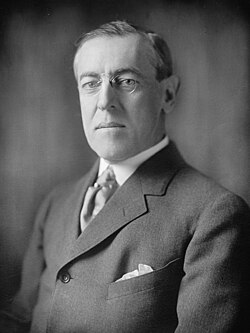
| Born | October 15, 1872 — Wytheville, Virginia |
| Died | December 28, 1961 — Washington, D.C. |
| Husband/President | Woodrow Wilson, 28th President |
| Term as First Lady | December 18, 1915 – March 4, 1921 |
| Defining event | Screened access to Wilson after his stroke, October 1919 |
| Later defense | Published a memoir defending her role, 1939 |
| Date | October 15, 1872 – December 28, 1961 |
| Location | Wytheville, Virginia |