The United States Marine Corps
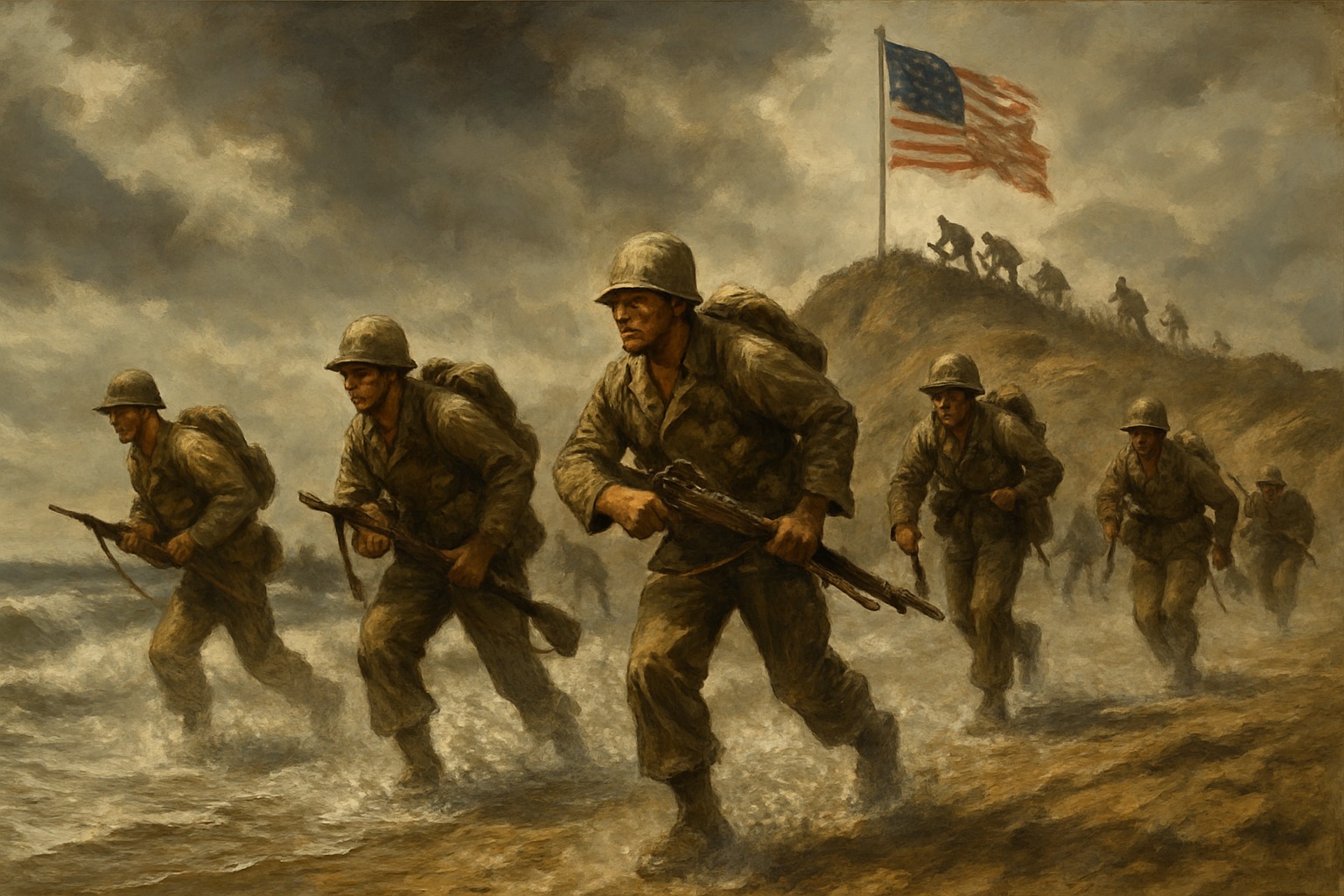
The Marine Corps traces its birth to a Philadelphia tavern. On November 10, 1775, Congress resolved to raise two battalions of Marines, soldiers who would serve aboard ships and storm hostile shores, and tradition holds that the first recruiting took place at Tun Tavern. From that beginning the Corps built an identity as the nation's force in readiness — the troops sent first, by sea, to fight wherever they landed.
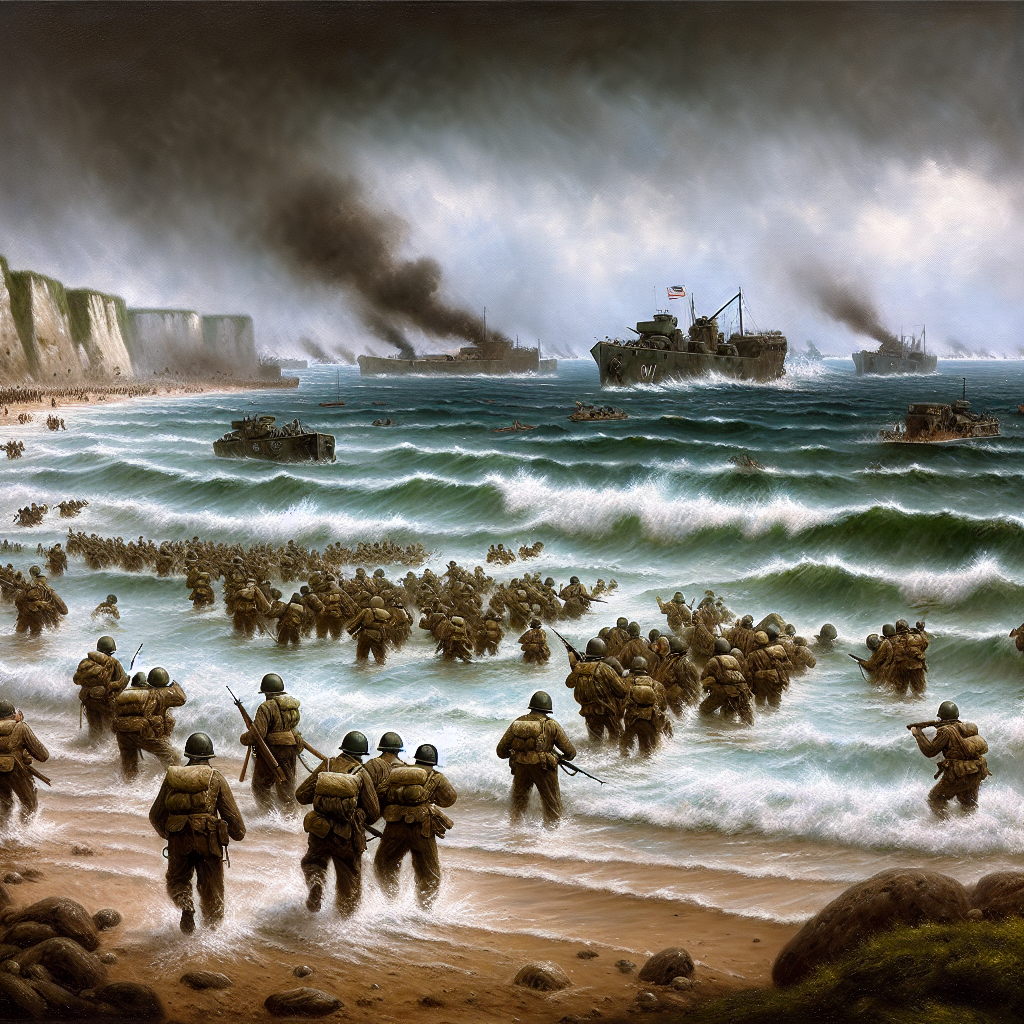
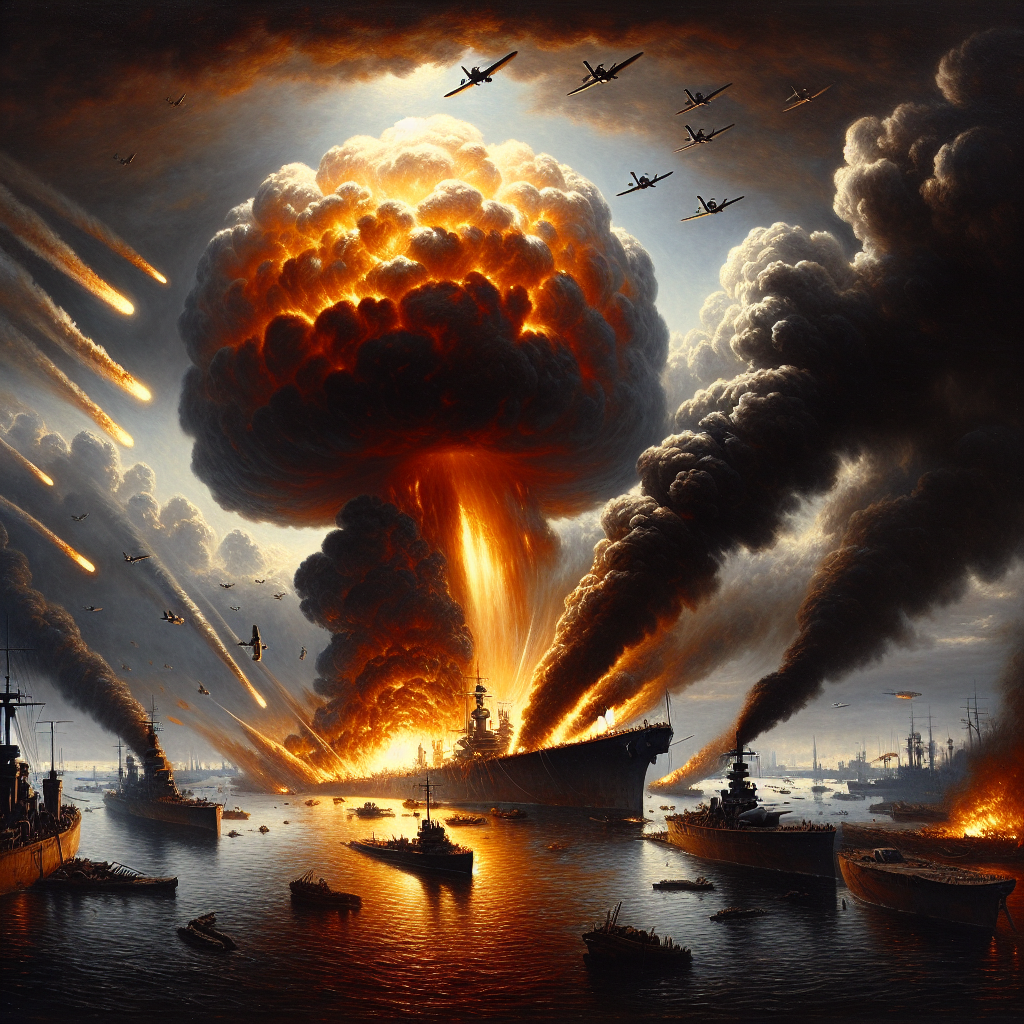
Its battle honors read like a march through American history. Marines fought the Barbary pirates on the shores of Tripoli, held the line at Belleau Wood in the First World War, and in the Second World War carried out the brutal island-hopping campaign across the Pacific. The flag raising on Iwo Jima in 1945, captured in one of the most reproduced photographs ever taken, became the enduring image of the Corps and of American sacrifice.
The Marines cultivated a fierce esprit de corps that set them apart. Every Marine, whatever the job, is trained first as a rifleman, and the Corps' motto Semper Fidelis — always faithful — expresses a culture of loyalty and elite identity. Though it forms part of the Department of the Navy and depends on the fleet to carry it into battle, the Corps guards its distinct traditions jealously.
Today the Marine Corps serves as the nation's rapid-reaction expeditionary force, built to deploy quickly from the sea to any crisis. Smaller than the Army and tied to the Navy's ships, it nonetheless occupies an outsized place in American military culture — a force whose reputation for toughness has made it, by design, the first to fight.
| Established | November 10, 1775 |
| Domain | Amphibious and expeditionary warfare |
| Birthplace | Tun Tavern, Philadelphia (by tradition) |
| WWII icon | Iwo Jima flag raising, 1945 |
| Motto | Semper Fidelis ("Always Faithful") |
| Department | Within the Department of the Navy |
| Date | Founded November 10, 1775 |
| Location | Washington, D.C. |