The United States Coast Guard
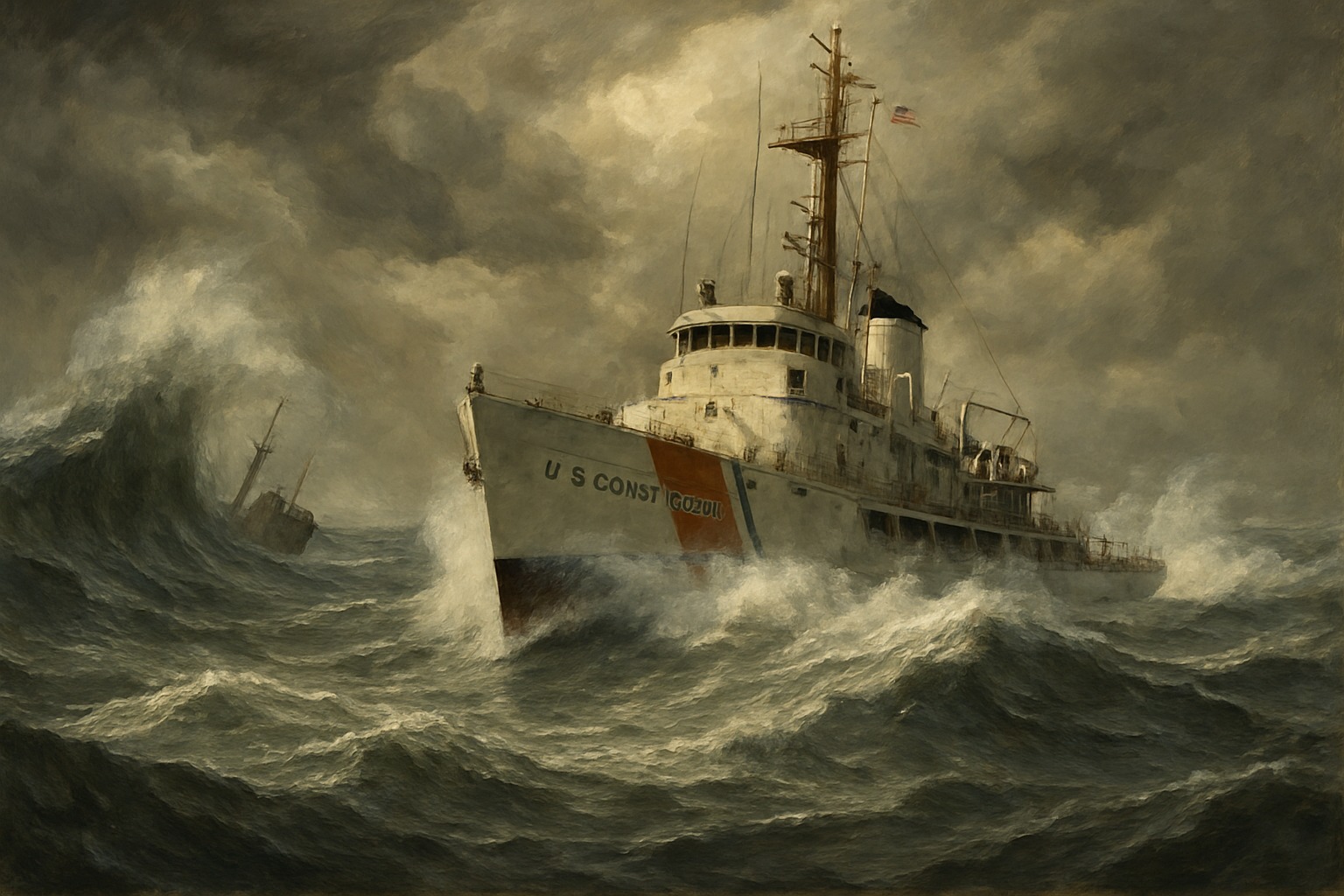
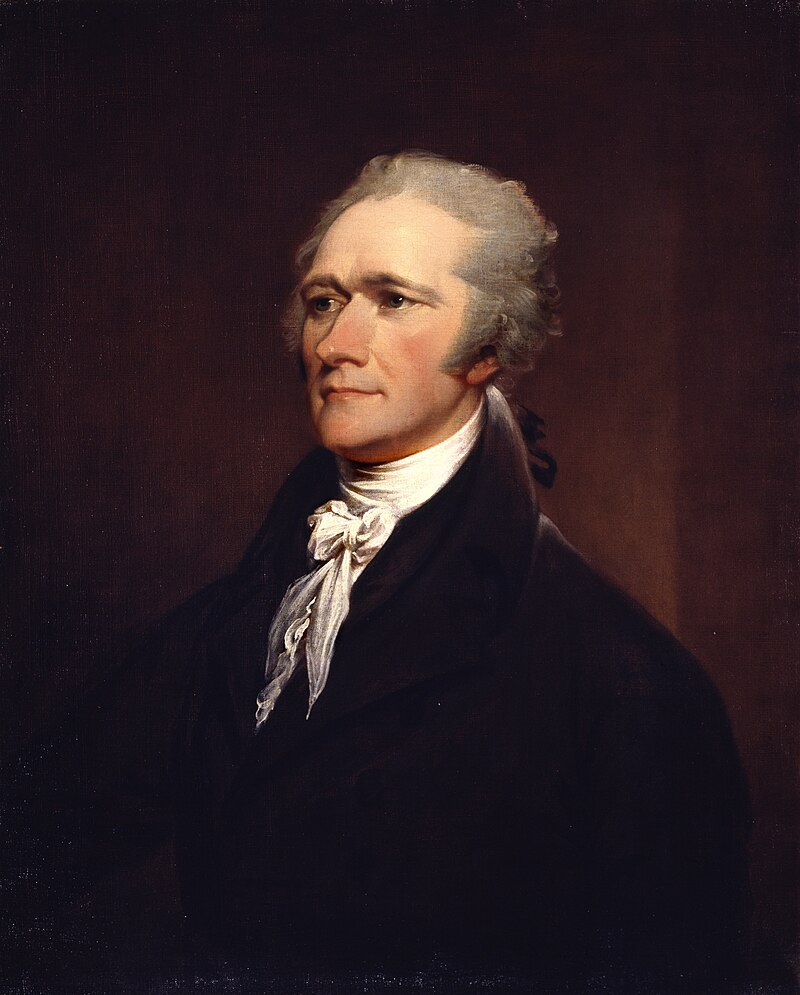
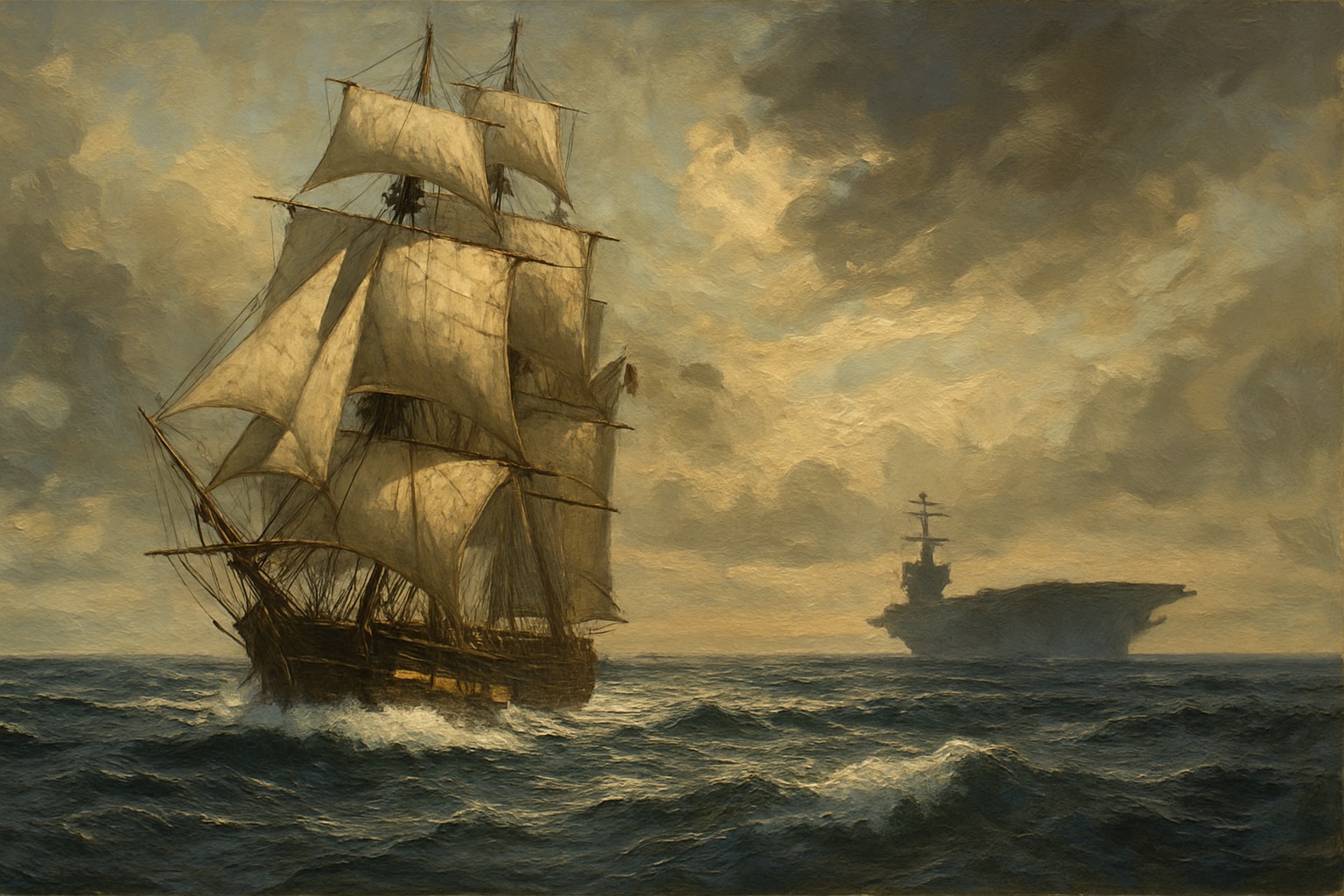
The Coast Guard began as a tax collector. In 1790, with the young republic starved for revenue, Treasury Secretary Alexander Hamilton persuaded Congress to build a fleet of ten cutters to enforce tariffs and stop smuggling along the coast. This Revenue Cutter Service patrolled American waters for more than a century — and because the Navy had been disbanded after the Revolution, it stands as the nation's oldest continuous seagoing service.
In 1915 the Revenue Cutter Service merged with the Life-Saving Service to form the modern Coast Guard, uniting two missions that still define it: enforcing the law and saving lives at sea. Its crews board suspect vessels, interdict drugs and smugglers, maintain lighthouses and buoys, and race into storms on search-and-rescue missions that the other services never undertake.
The Coast Guard is unique among the armed forces in living a double life. In peacetime it operates as a law-enforcement and rescue agency, while in war it can be placed under the command of the Navy, as it was in both World Wars, when its cutters escorted convoys and its crews manned landing craft. That dual character has moved it between departments over the years, from the Treasury to Transportation and, since 2003, to the Department of Homeland Security.
Today the Coast Guard guards the nation's coasts, ports, and waterways, a comparatively small service that carries an outsized workload. Its motto, Semper Paratus — always ready — captures a mission that ranges from hurricane rescues and oil-spill response to drug interdiction and homeland defense. Older than the Navy it sometimes serves under, it remains the quiet sentinel of the American shore.

| Founded | August 4, 1790 (Revenue Cutter Service) |
| Founder | Alexander Hamilton |
| Became Coast Guard | 1915 |
| Roles | Law enforcement, search and rescue, defense |
| Department | Homeland Security (since 2003) |
| Distinction | Oldest continuous U.S. seagoing service |
| Date | Founded August 4, 1790 |
| Location | Washington, D.C. |