The Warsaw Pact
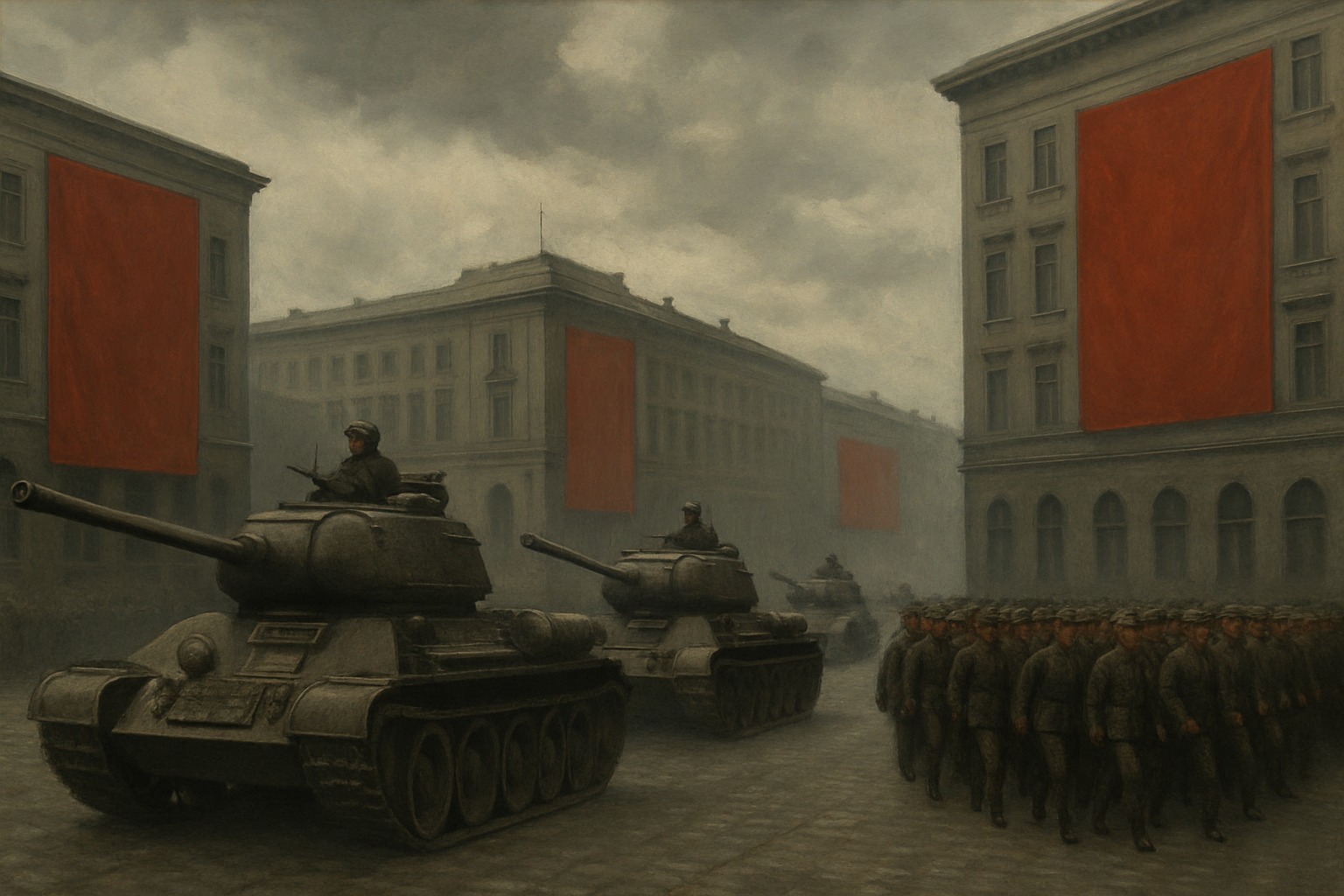
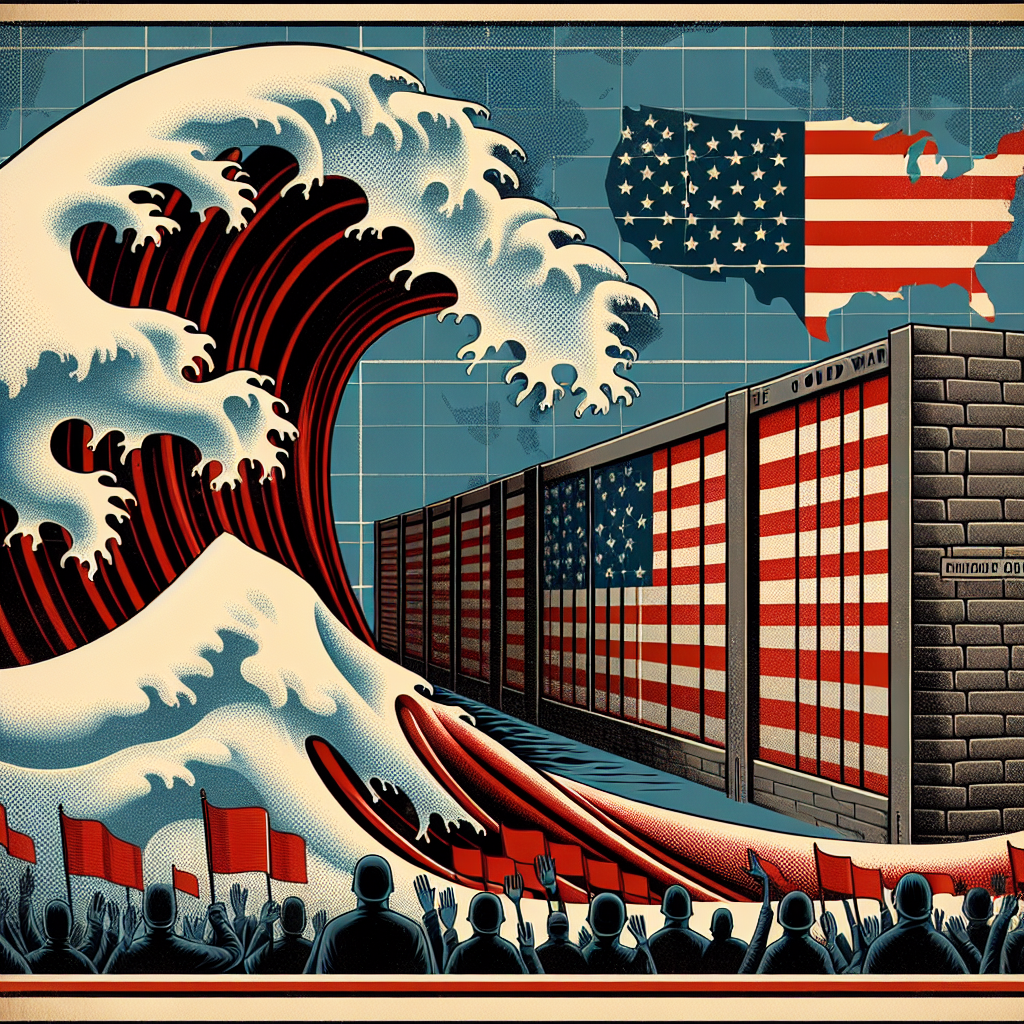
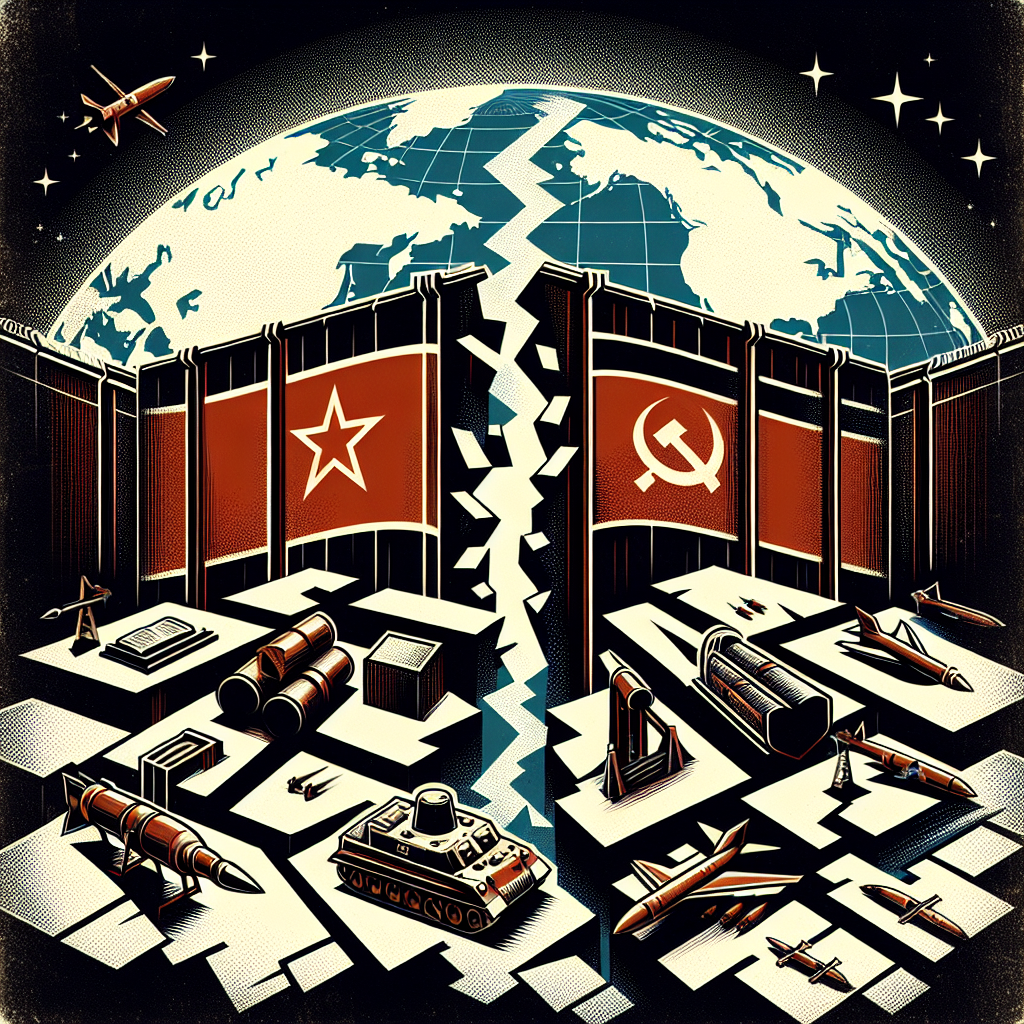
When West Germany joined NATO in 1955, the Soviet Union answered within days. It gathered its Eastern European satellites into the Warsaw Pact, a mutual-defense alliance that formalized the military division of the continent. On paper it mirrored NATO, a treaty of equals pledged to defend one another. In practice it was an instrument of Moscow's control, binding the armies of the Eastern Bloc under Soviet command and cementing the Iron Curtain that Winston Churchill had named a decade before.
The alliance's guns pointed inward as often as out. Twice the Warsaw Pact was used not against the West but against its own members, to crush attempts to break free of Soviet domination. In 1956 Soviet tanks put down the Hungarian Revolution, and in 1968 Pact forces invaded Czechoslovakia to end the liberalizing Prague Spring. The second invasion gave rise to the Brezhnev Doctrine, Moscow's claim of a right to intervene wherever socialism was threatened.
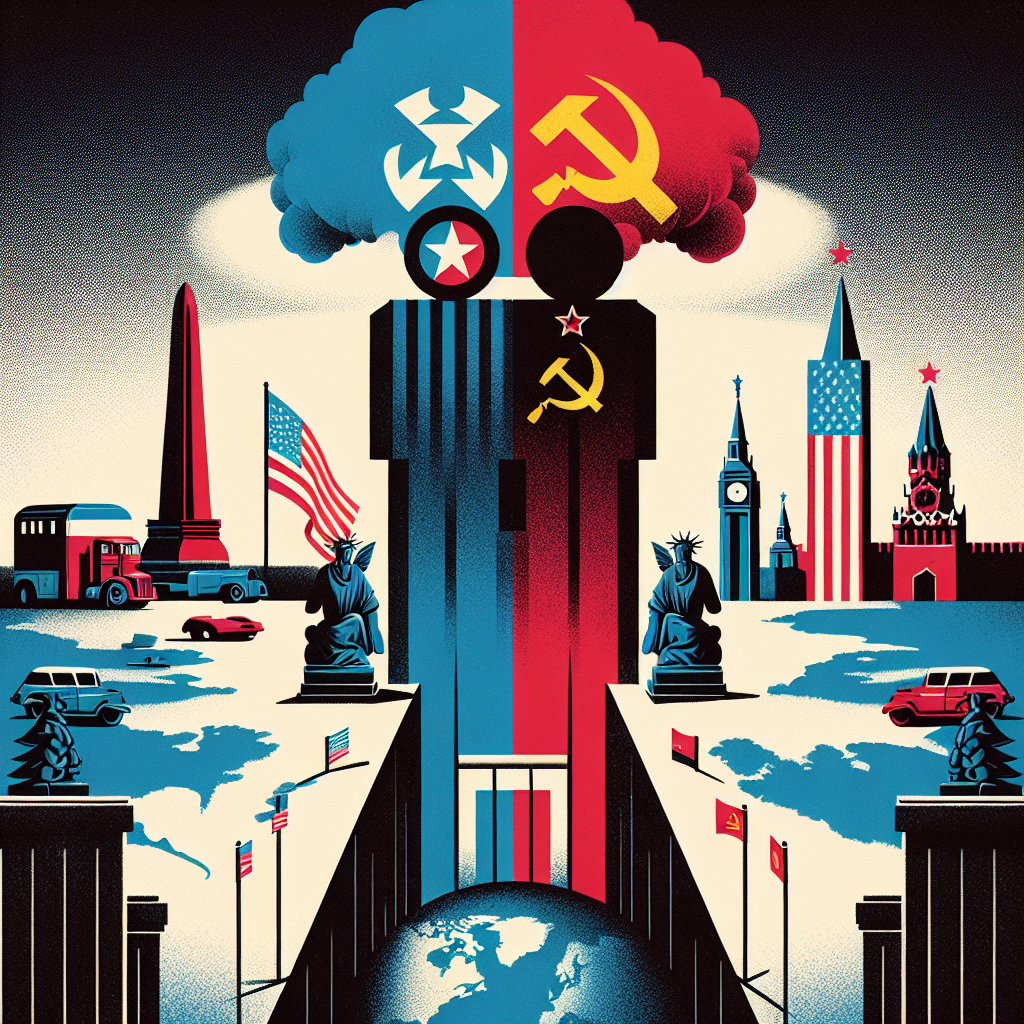
For 36 years the Warsaw Pact and NATO faced each other across a divided Germany in the tensest standoff of the Cold War, each amassing conventional armies and nuclear weapons under the logic of mutual deterrence. The two blocs never fought directly, a peace held in place by the terrible arithmetic of mutually assured destruction. The confrontation shaped the strategy, economy, and politics of half the world for a generation.
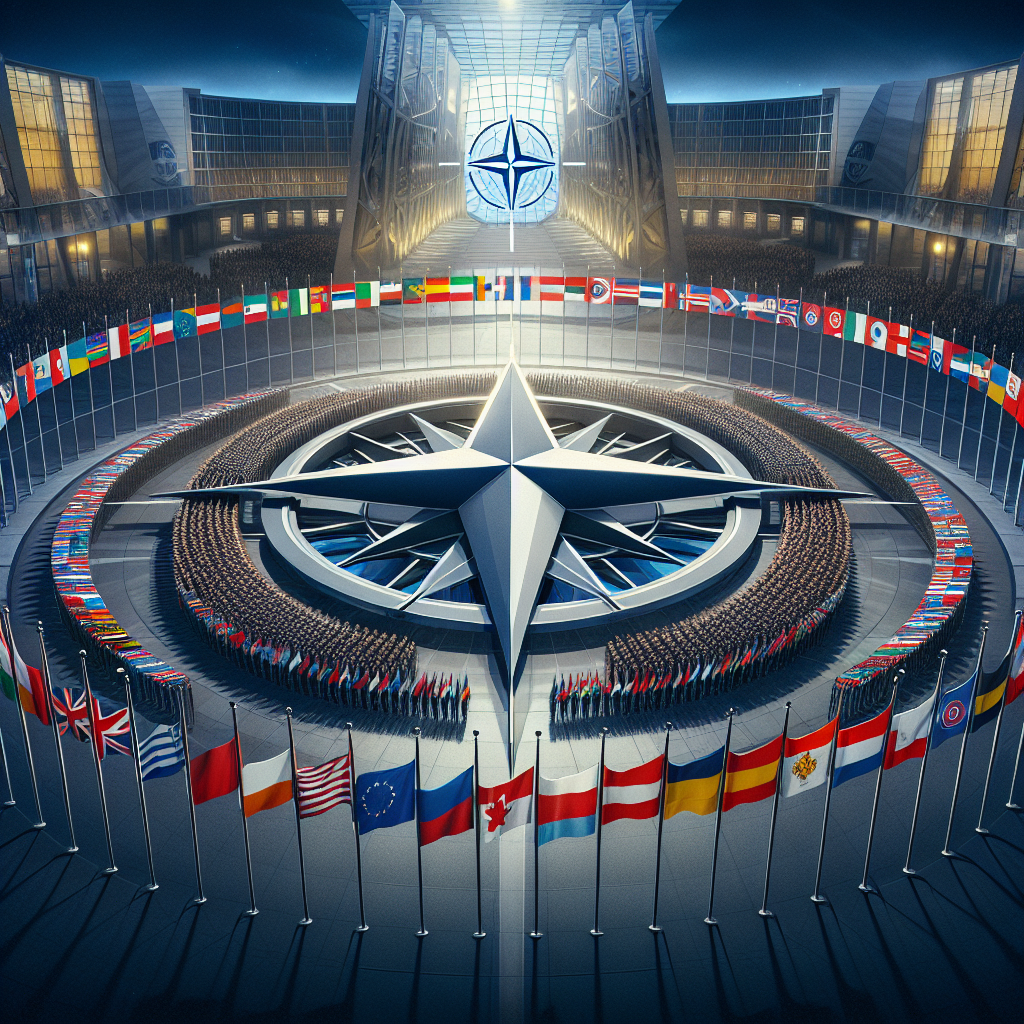
The alliance did not so much end as evaporate. As communism collapsed across Eastern Europe in 1989 and the Soviet Union itself dissolved in 1991, the Warsaw Pact was formally disbanded, its purpose gone. The reversal that followed was among the sharpest in modern history: within two decades, most of its former members — Poland, Hungary, the Czech Republic, and others — had joined the very alliance it had been built to oppose, enlarging NATO to the borders of Russia itself.
| Formed | 1955 |
| Led by | The Soviet Union |
| Members | Eight Eastern Bloc states |
| Purpose | Counterweight to NATO / mutual defense |
| Interventions | Hungary (1956), Czechoslovakia (1968) |
| Doctrine | The Brezhnev Doctrine |
| Dissolved | 1991 |
| Date | 1955–1991 |
| Location | Warsaw, Poland |