Outlaws and Lawmen of the Old West
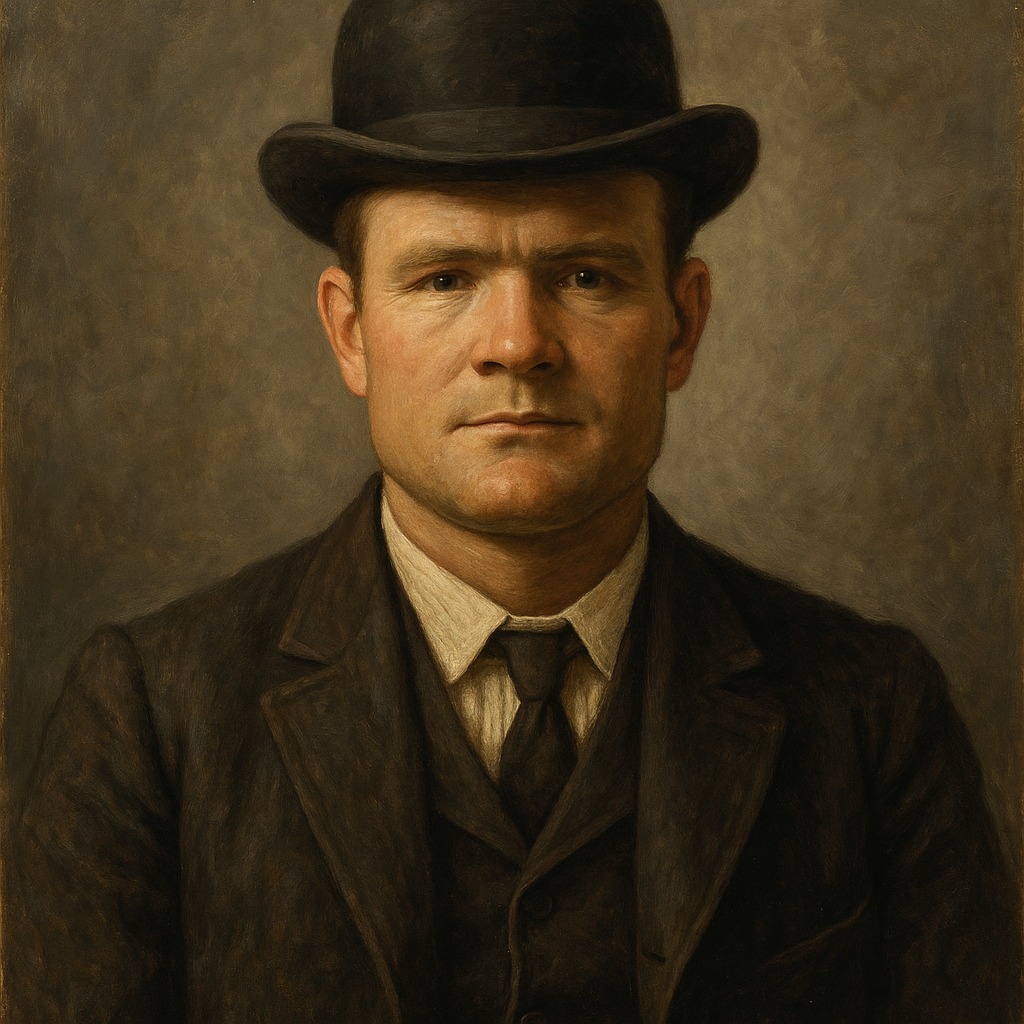
The American outlaw was not born on the frontier. He was born in the Civil War, in the irregular guerrilla bands that taught a generation of young men to rob, shoot, and justify both as loyalty to a lost cause. Jesse James and John Wesley Hardin carried that training west and south once the war ended, and the country that received them was primed to misread them: Reconstruction-era resentment of federal power, banks, and railroads turned men who robbed for profit into men celebrated, by some newspapers and some neighbors, as rebels still fighting a war the Confederacy had lost. That confusion between outlaw and folk hero never fully resolved, and it runs through every figure in this guide.
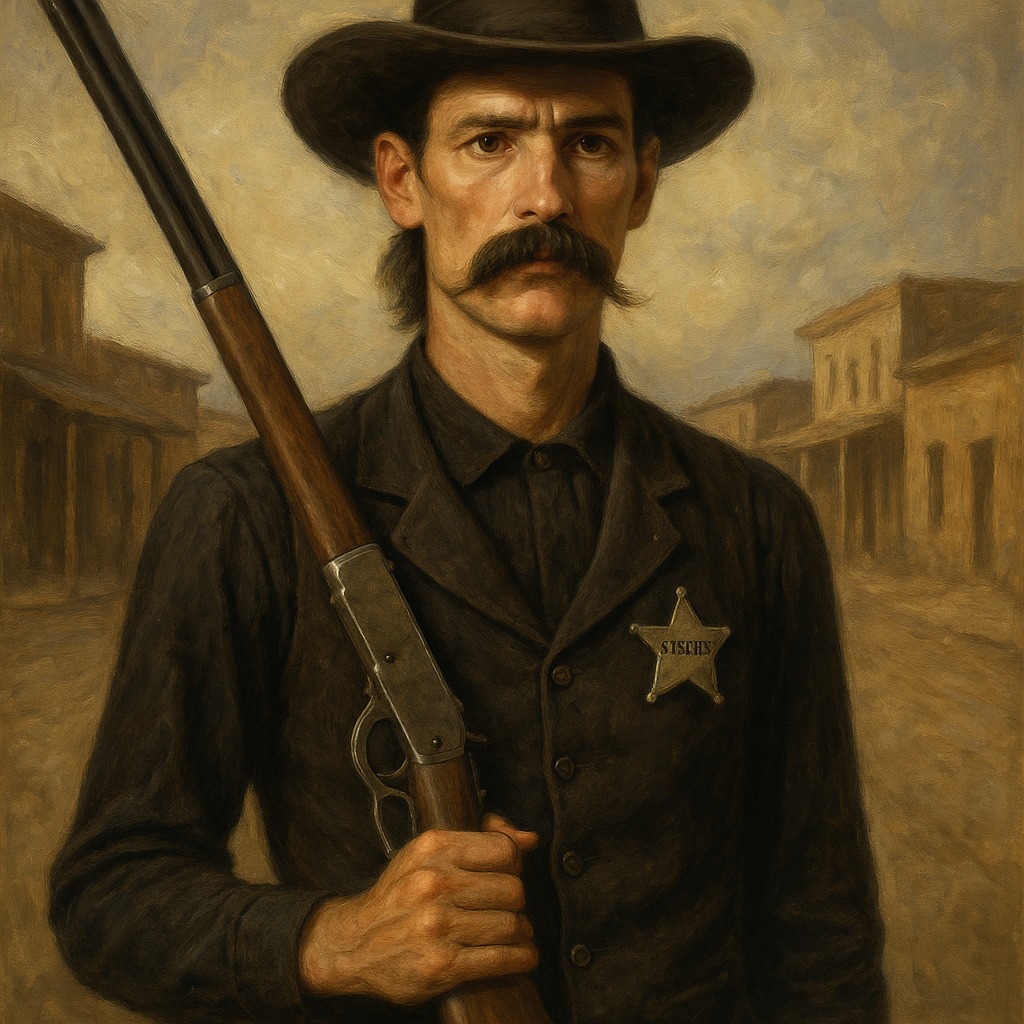
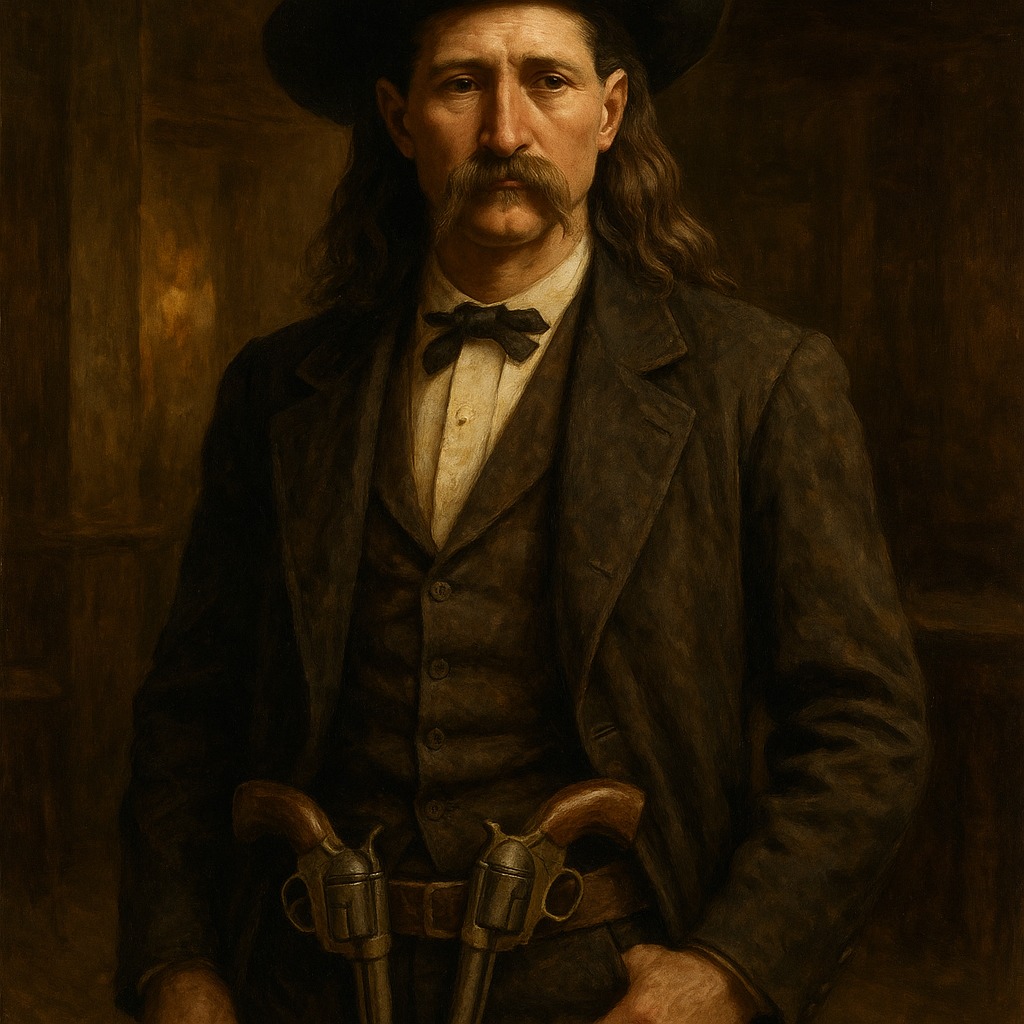
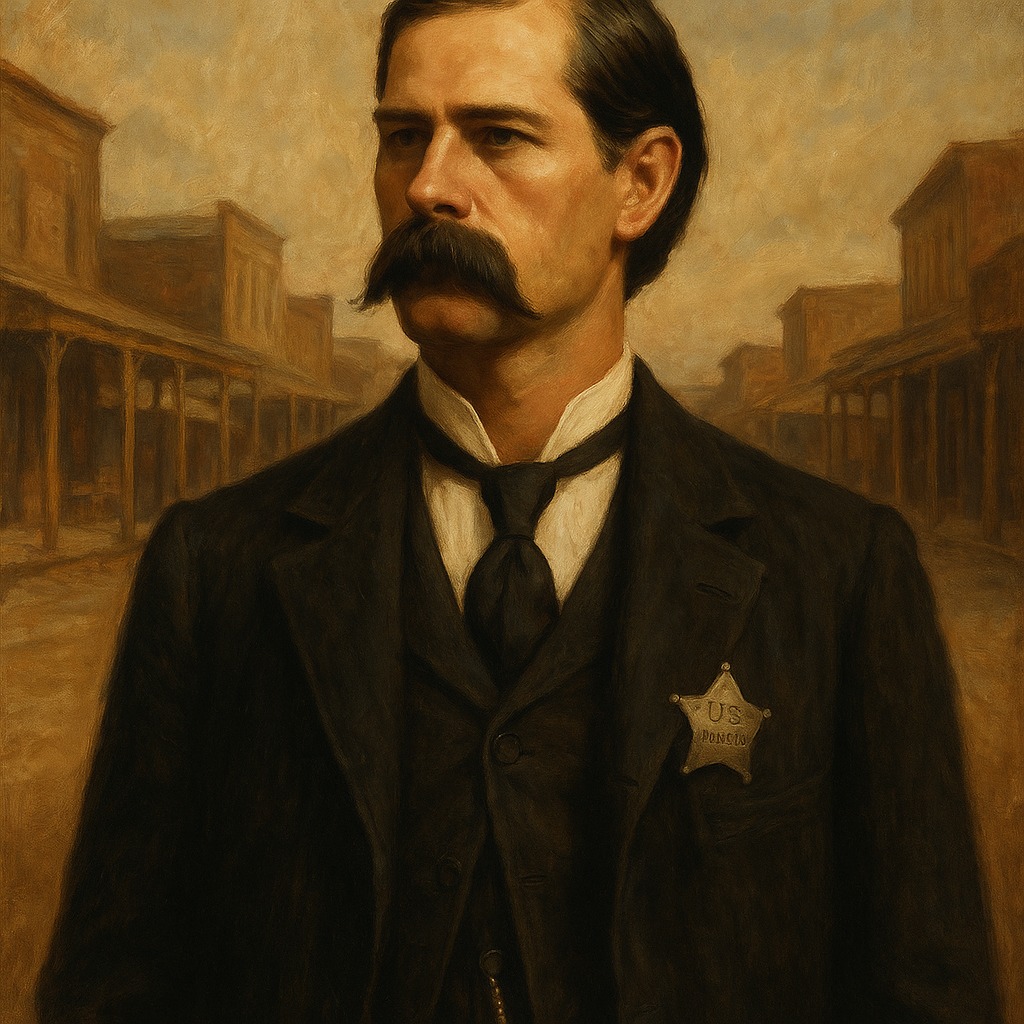
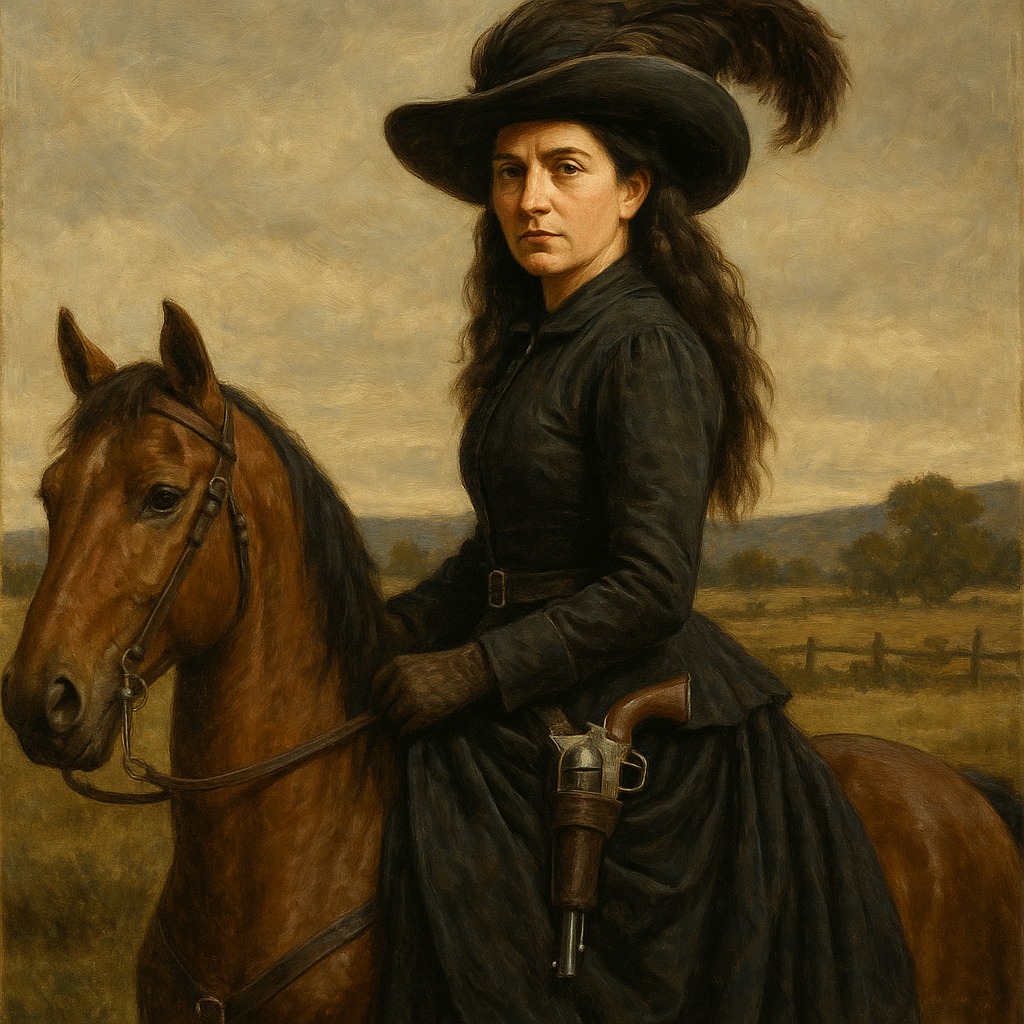
A second generation came of age in the cattle and mining towns of the 1870s and 1880s, where the line between lawman and gunfighter was thinner than Western films later made it look. Wild Bill Hickok wore a marshal's badge and a gambler's reputation at once; Wyatt Earp enforced the law in Tombstone with men, including Doc Holliday, whose own legal standing was shaky at best; Pat Garrett built a career entirely on having killed the most famous outlaw of his age, Billy the Kid, and spent the rest of his life defending that single act. By the time Butch Cassidy's Wild Bunch and Belle Starr were working Indian Territory and the Rocky Mountain rail lines in the 1880s and 1890s, the frontier itself was closing, and outlawry was becoming a ritual performed as much for newspapers as for profit.
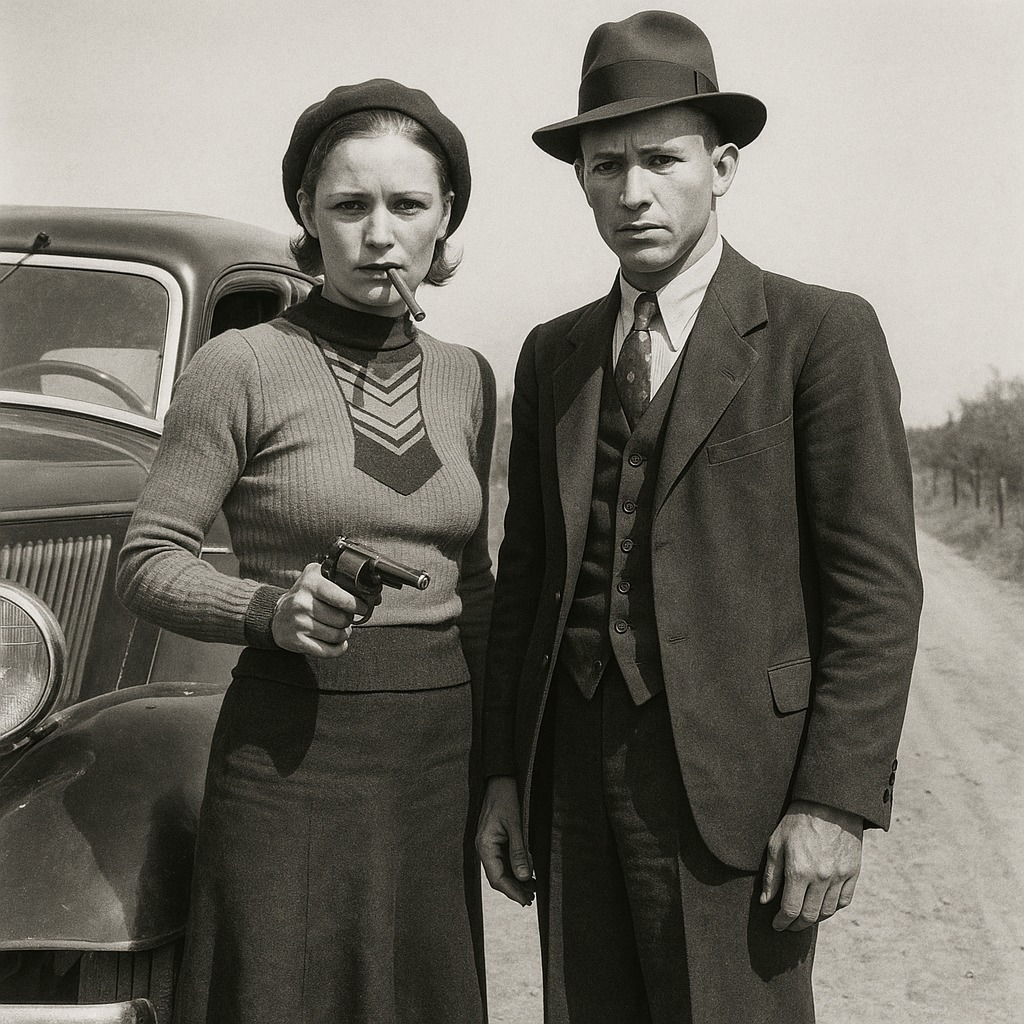
Bonnie and Clyde close the set nearly forty years after Billy the Kid's death, robbing small Texas and Oklahoma stores and gas stations in a stolen Ford during the Great Depression — proof that the outlaw myth outlived the frontier that produced it, repackaged for an era of newsreels and tabloids instead of dime novels. What follows is organized by that arc: the guerrillas who turned outlaw after 1865, the gunfighters of the frontier towns in the 1870s and 1880s, and the last generation of train and bank robbers who carried the tradition into the 20th century. The violence described here was real, and it killed most of the people in this guide before middle age; the folklore that grew up around it is a separate, later story, and this guide tries not to confuse the two.
For the war that produced the guerrilla bands many of these men rode with, see The Civil War: Causes, Battles, and Key Figures. For the broader settlement of the frontier these outlaws and lawmen operated on, see Westward Expansion: Explorers, Events, and Turning Points.