The #MeToo Movement
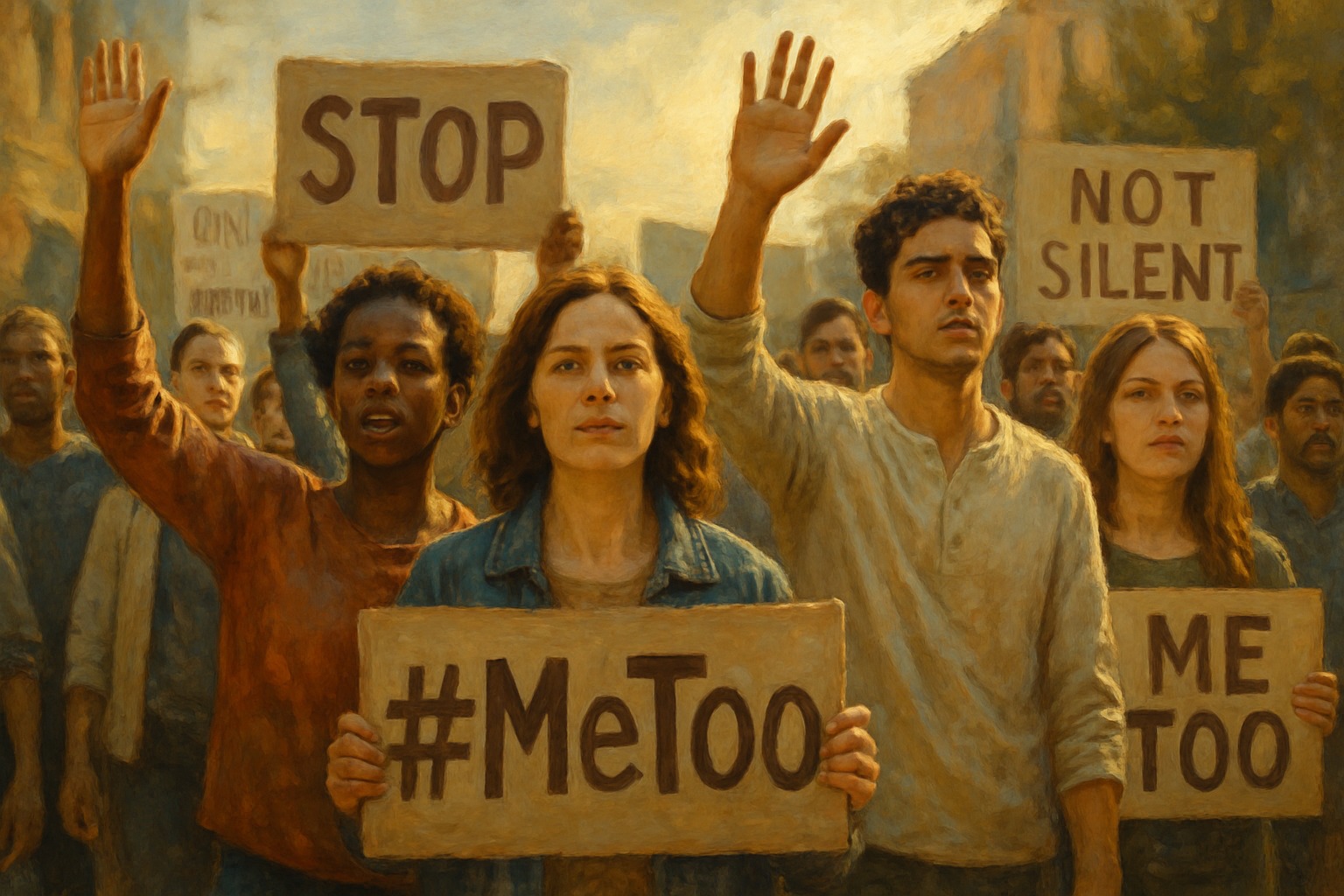
In October 2017, after The New York Times and The New Yorker published investigations detailing decades of sexual abuse allegations against Hollywood producer Harvey Weinstein, the actress Alyssa Milano urged women who had been harassed or assaulted to reply "me too." Within days the phrase had been used millions of times across social media, giving sudden, overwhelming visibility to the prevalence of sexual misconduct.
The phrase itself was not new. The activist Tarana Burke had founded a "Me Too" movement in 2006 to support survivors of sexual violence, particularly young women of color. The 2017 explosion built on that earlier work and turned a long-standing problem into one of the defining public conversations of the era, spreading quickly beyond entertainment to politics, media, technology, and ordinary workplaces.
The consequences were swift and concrete. Powerful men in many industries lost their jobs or faced prosecution; Weinstein was later convicted of sex crimes. Companies revised harassment policies, and a wave of survivors came forward publicly, often at great personal cost. The movement reshaped norms about consent, accountability, and what behavior would be tolerated.
It also drew debate. Critics raised concerns about due process and proportionality, and supporters argued that a long history of silence and impunity had made the reckoning necessary. Either way, #MeToo stands as a landmark in the long movement for women's rights and a turning point in how the country confronts sexual misconduct.
| Catalyst | Harvey Weinstein revelations, October 2017 |
| Coined | Phrase by Tarana Burke in 2006 |
| Spark | Alyssa Milano's viral "me too" tweet |
| Spread | Millions of posts within days |
| Impact | Resignations, prosecutions, policy changes |
| Significance | Major moment in the women's rights movement |
| Date | Went viral October 2017 |
| Location | United States |